
Thinning hair changes the rules for what works, and a style that used to be easy can suddenly feel impossible to manage the same way. It’s a frustrating shift, especially when a favorite look starts falling flat within an hour of finishing it.
The good news is that thinning hair responds well to the right combination of cut, lift, and finish — it just needs a different approach than hair used to require. Here are 23 hairstyles chosen specifically to bring back volume and ease for thinning hair over 50.
1. Textured Pixie with Root Lift
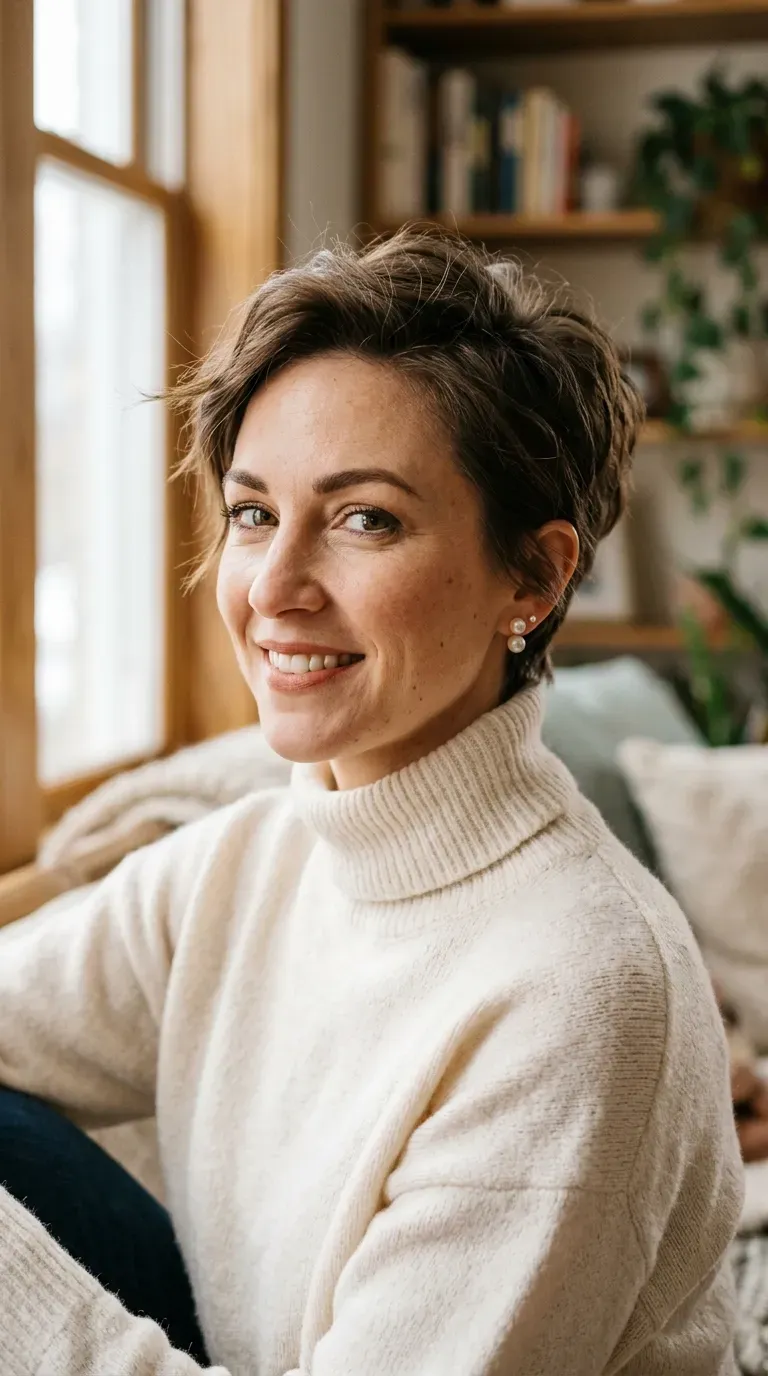
Why it works: Cropping hair short removes the weight that pulls thinning strands flat, letting the roots stand up on their own for real volume. Blow-drying upward before the style sets locks that lift in for the whole day.
Ask for: Ask for “a textured pixie with the roots dried upward using a round brush before styling.”
2. One-Length Blunt Bob
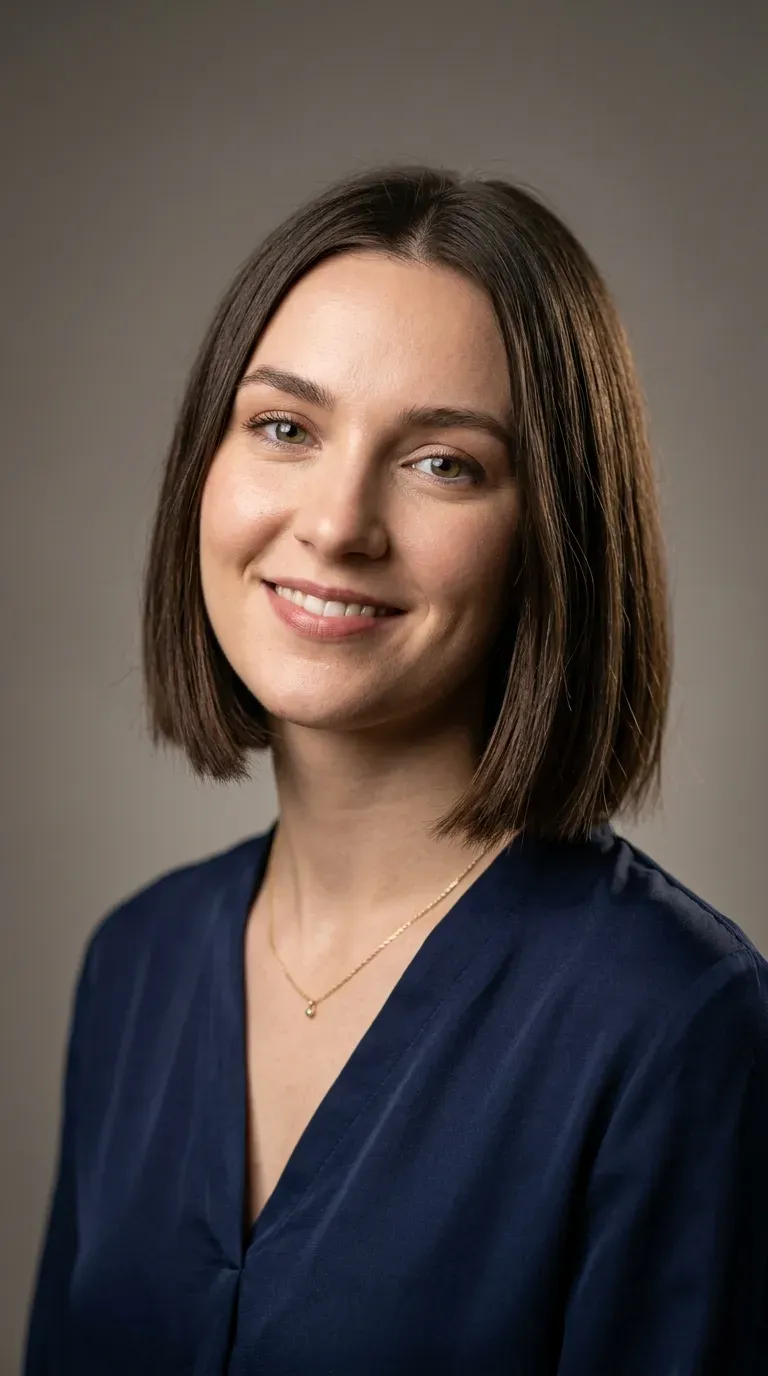
Why it works: A blunt cut keeps all the ends falling at the same length, which tricks the eye into seeing thickness instead of thinning strands. This shape works especially well at chin length, where hair is heavy enough to hold its line.
Ask for: Ask for “a one-length bob cut blunt at the chin, with no thinning shears used.”
3. Shag with Wispy Bangs

Why it works: Feathered layers throughout a shag create separation between sections, which reads as more texture and volume than a smooth, single-length cut. Soft, wispy bangs frame the face without adding weight up front.
Ask for: Ask for “a shag with layers starting at the cheekbone and wispy, feathered bangs.”
4. Full Volumizing Blowout
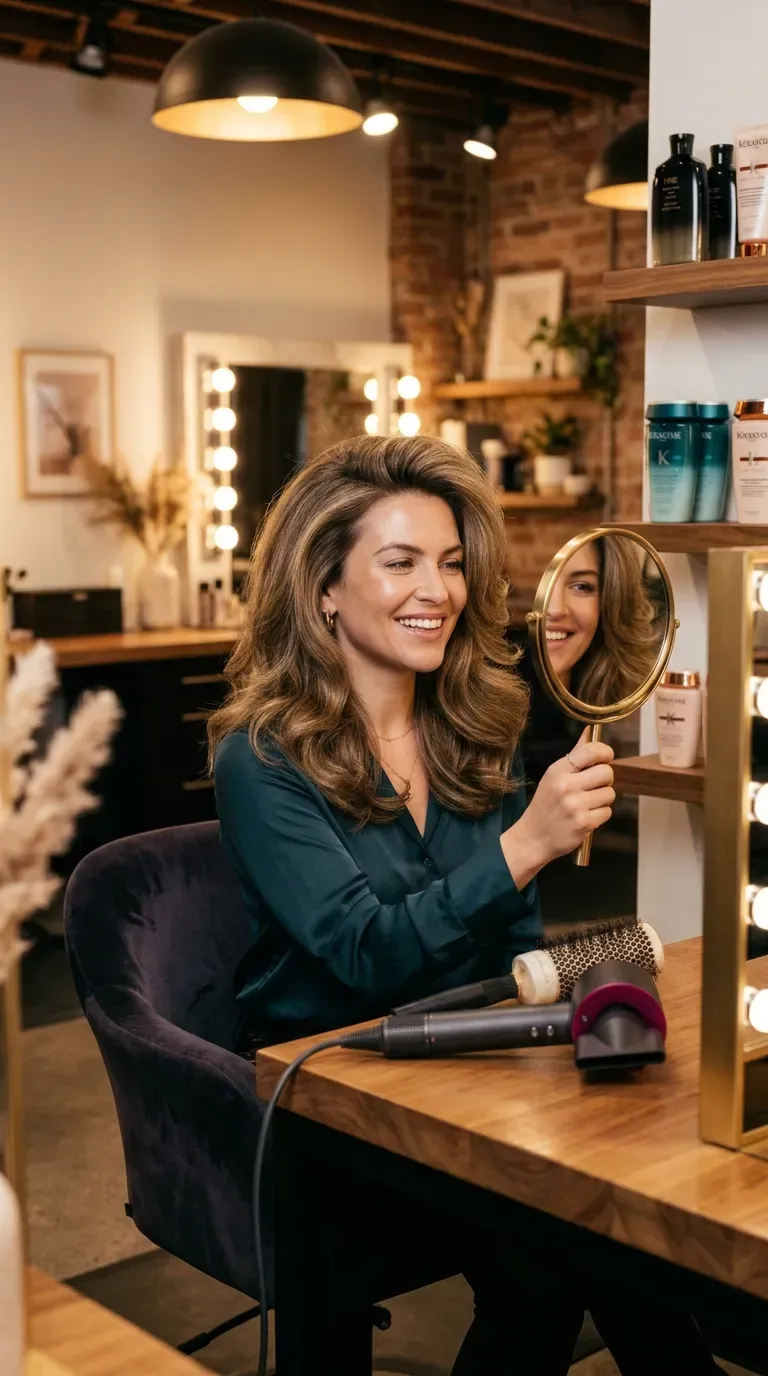
Why it works: Blow-drying the roots in the opposite direction they naturally fall builds lift that thinning hair can’t achieve on its own. Smooth mid-lengths balance the fuller crown so the finished style still looks controlled.
Ask for: Blow-dry upside down at the roots for 60 seconds, then finish with a round brush lifting away from the scalp.
5. Soft Side-Swept Fringe
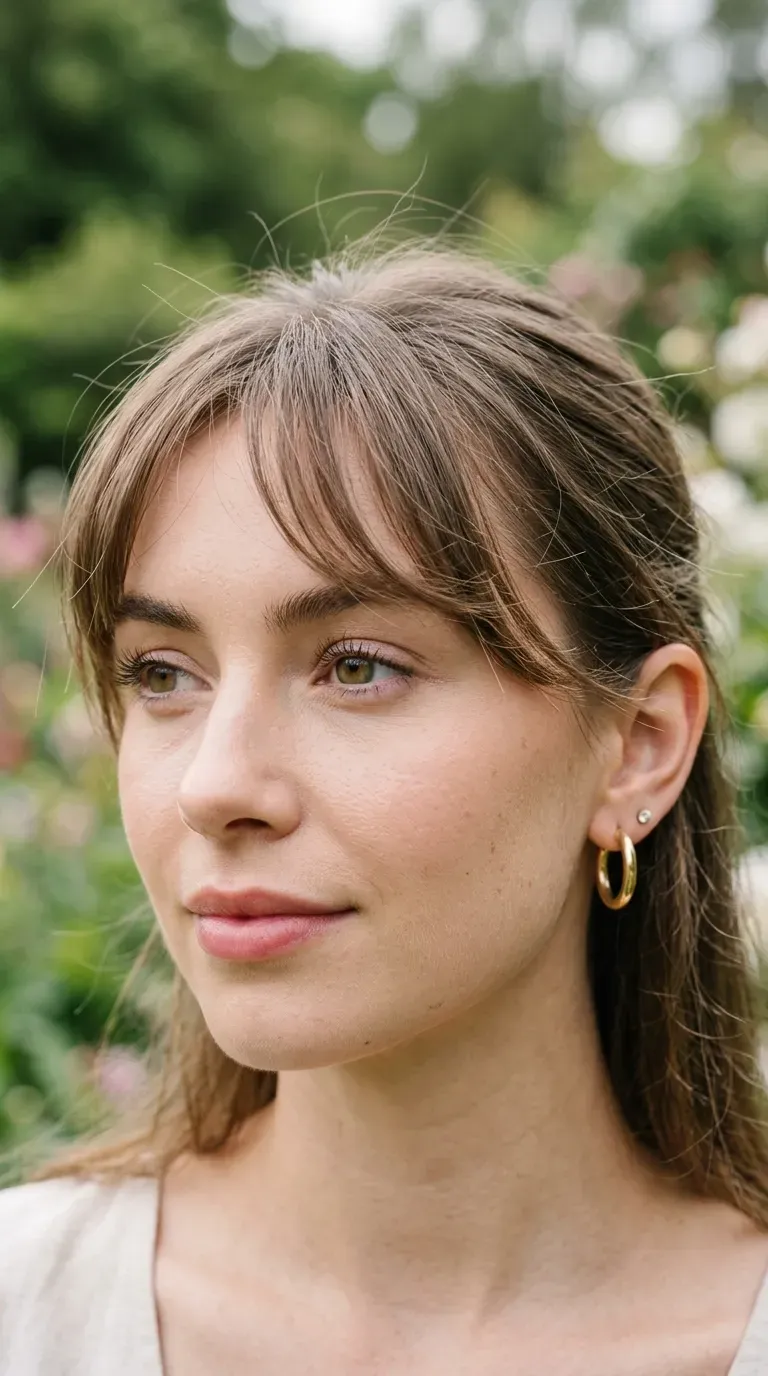
Why it works: Feathered, varying-length fringe never looks like a solid, heavy curtain, which suits hair that can’t support thick bangs. Swept to the side, it also softens deeper forehead lines and draws attention to the eyes.
Ask for: Ask for “point-cut, feathered fringe left slightly longer at the outer edge.”
6. Twisted Low Ponytail

Why it works: Gathering hair low at the nape keeps thinning strands from slipping out of place the way a high ponytail would. A small twist at the crown before securing adds height that a flat pull-back lacks.
Ask for: Backcomb the crown lightly, twist it once, then gather the rest into a low ponytail and pin the twist in place.
7. Undercut Textured Crop
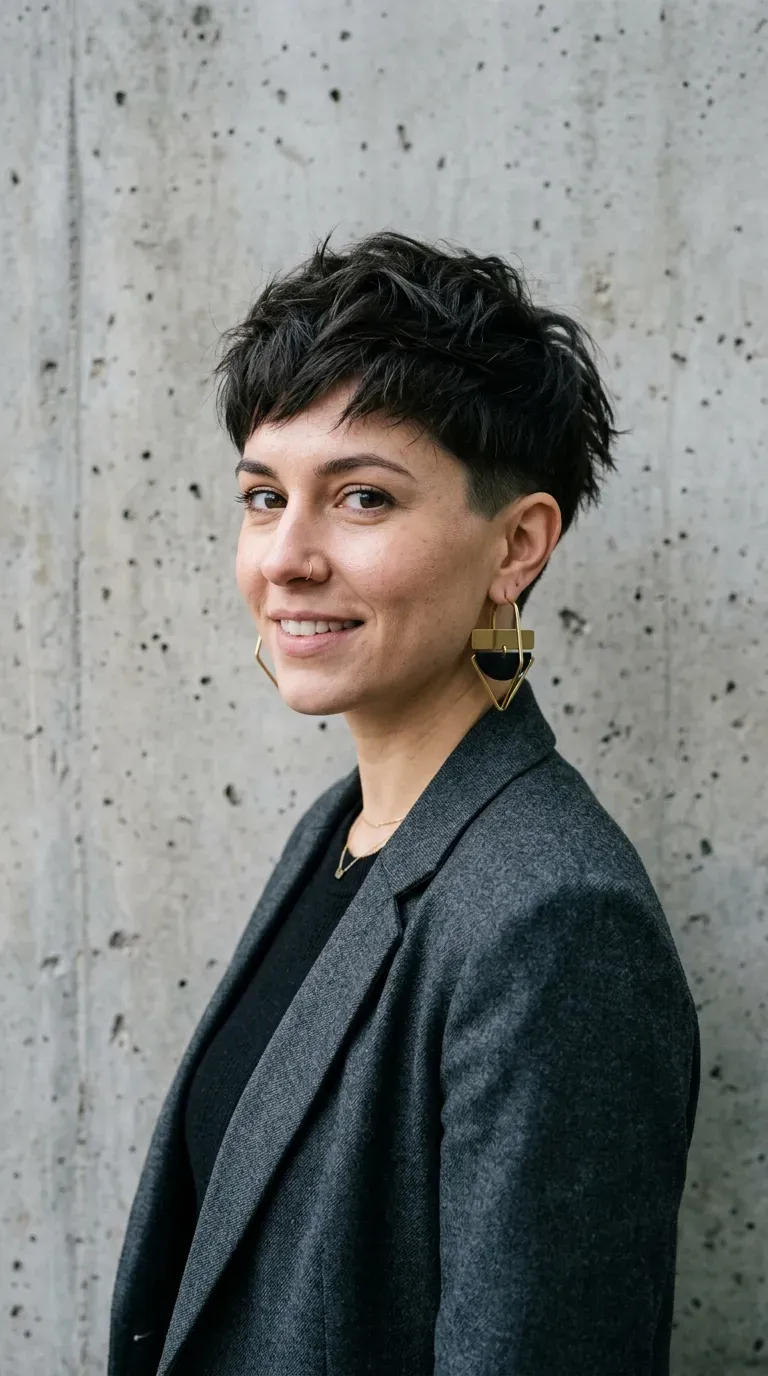
Why it works: Removing weight underneath with a subtle undercut lets the top layers stand with less resistance, creating noticeable extra lift. The textured crop above stays easy to style with just fingers and a small amount of product.
Ask for: Ask for “a textured crop with a low undercut at the nape only.”
8. Beachy Layered Bob

Why it works: Loose waves add texture that catches light differently across the head, which helps disguise any thinning at the crown. The layered shape gives the waves somewhere to fall instead of hanging as one heavy piece.
Ask for: Mist a texturizing spray through damp hair, scrunch gently, and diffuse on low heat.
9. Half-Up Volumizing Style
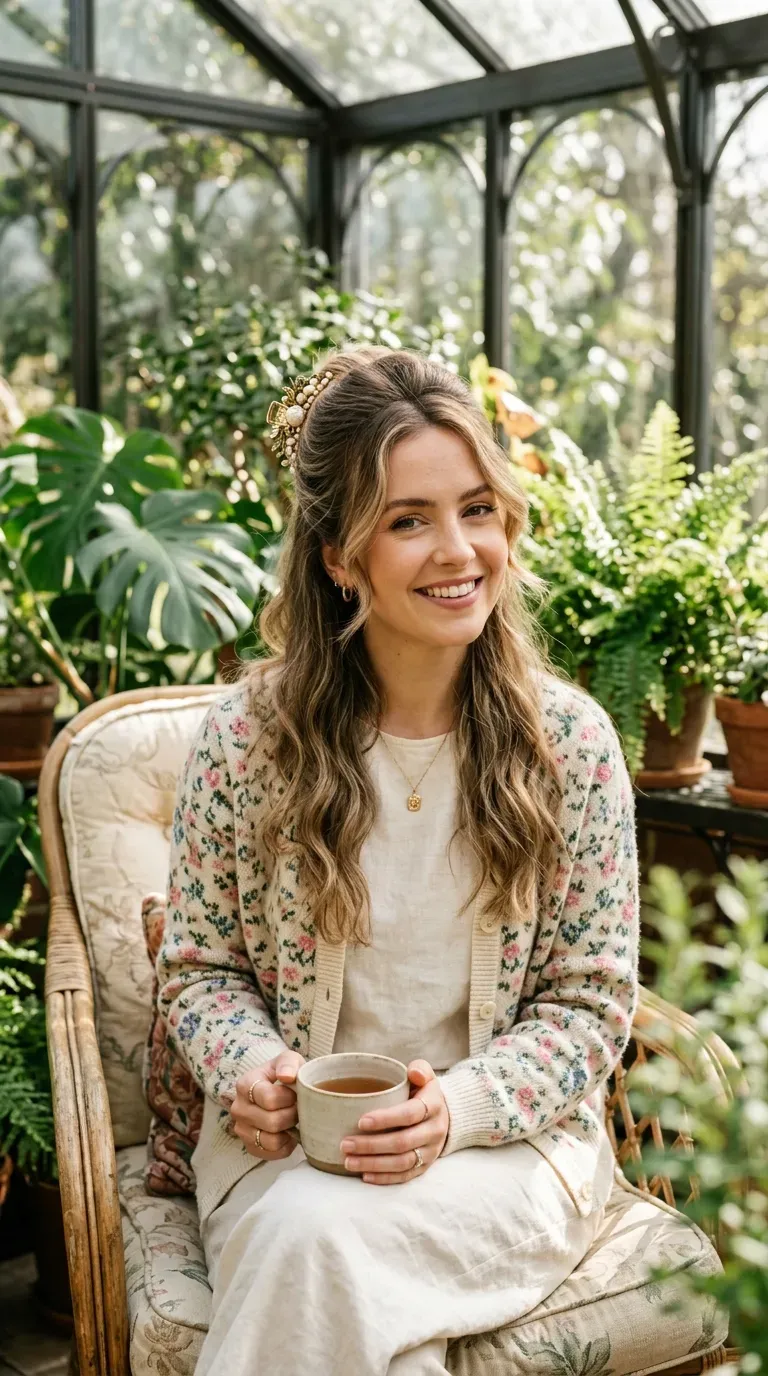
Why it works: Pulling back just the top section lifts the crown, the area where thinning hair shows scalp most easily, while leaving the rest down softens the overall look. It’s also one of the fastest styles here to put together.
Ask for: Section the top two inches of hair, backcomb lightly at the root, then secure with a clip.
10. Classic Finger Waves
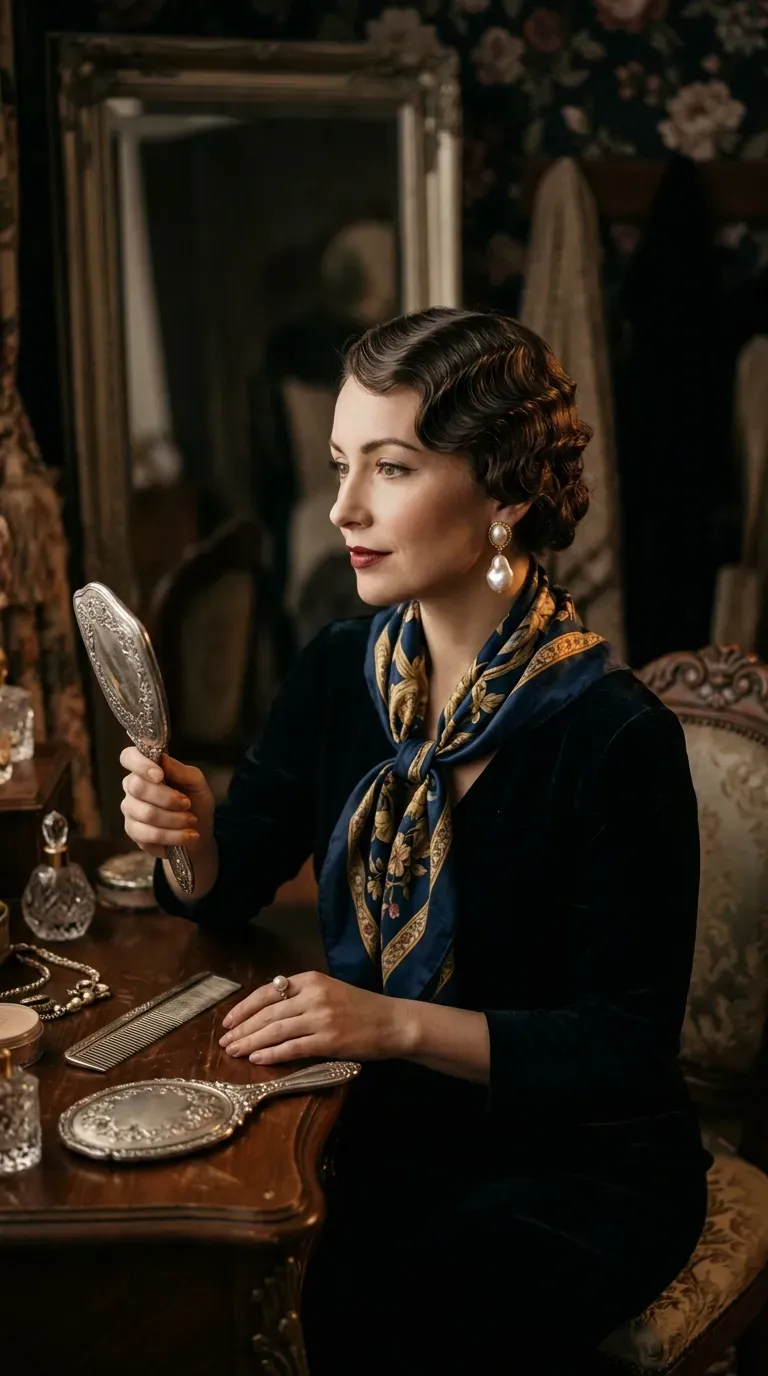
Why it works: Finger waves are set close to the head, so thinning hair doesn’t have to hold its own weight in a loose curl that would fall flat quickly. The structured S-shape also gives the illusion of denser hair along the hairline.
Ask for: Ask for “finger waves set with a light-hold gel and clipped flat while drying.”
11. Wash-and-Go Natural Curls
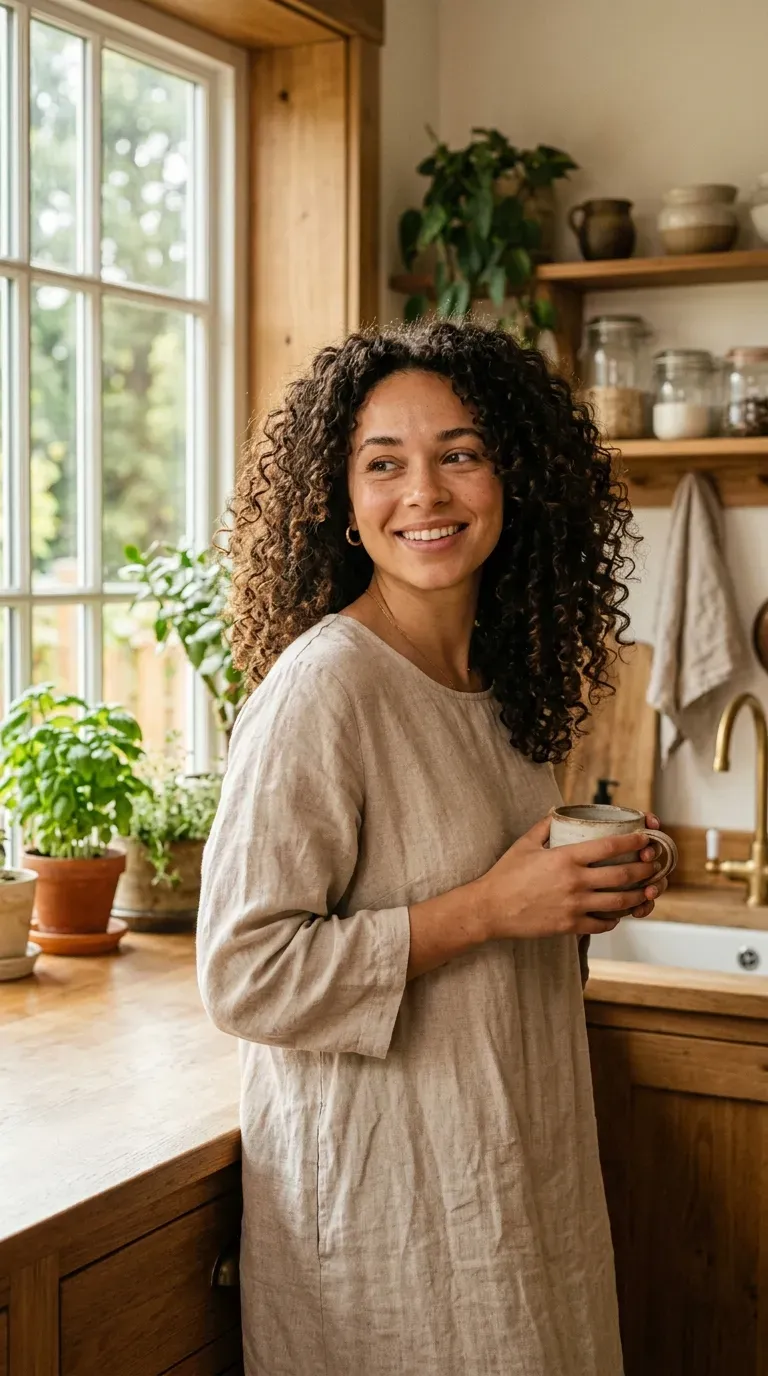
Why it works: Letting natural texture air-dry with a light styling cream avoids the heat exposure that can make thinning hair more fragile over time. Curls also add built-in volume, since a curved strand takes up more visual space than a straight one.
Ask for: Scrunch a lightweight curl cream through damp hair and let it air-dry without touching it until fully set.
12. Tousled Matte Pixie
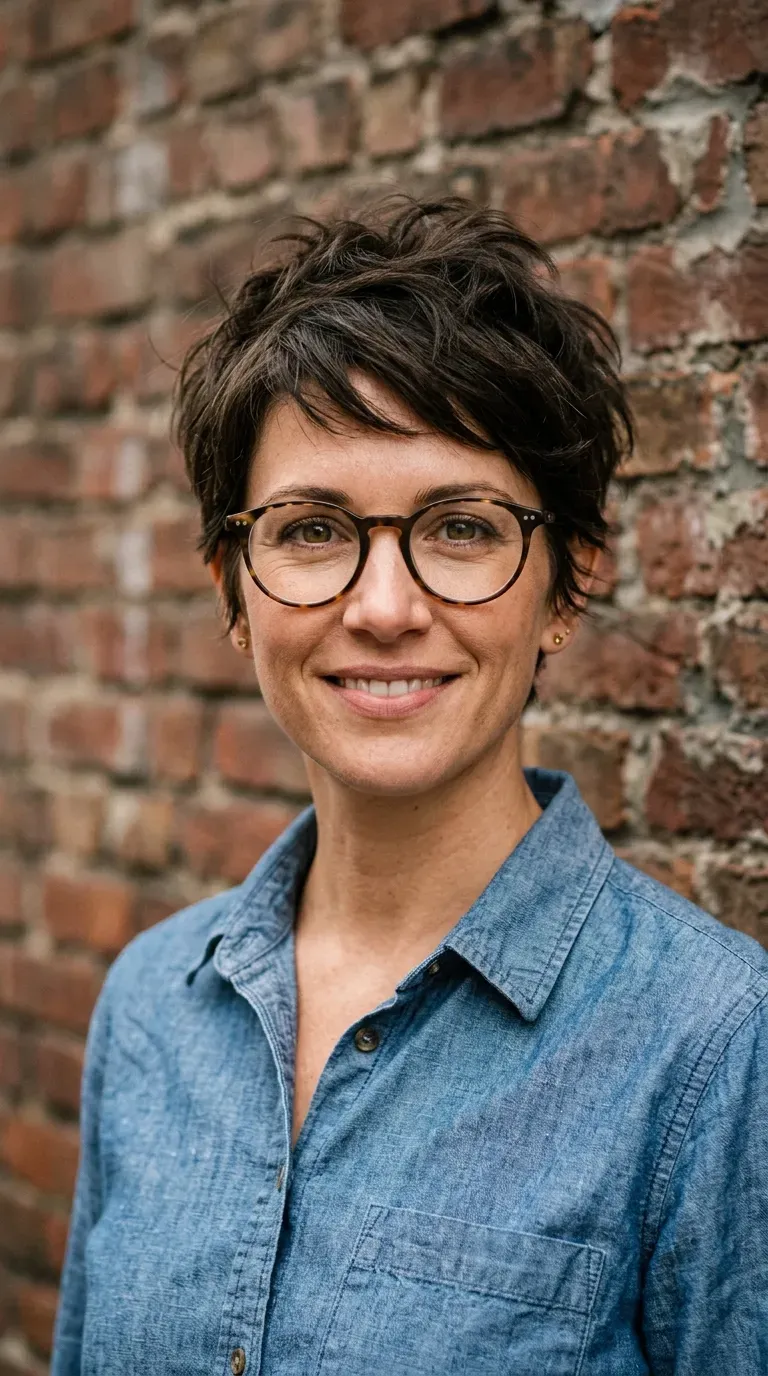
Why it works: Working a small amount of texturizing paste into short layers creates separation that makes each piece of hair look thicker and more defined. This style is especially good at disguising thin spots because there’s no smooth surface to reveal the scalp.
Ask for: Rub a pea-sized amount of texture cream between your palms and press it into dry hair, twisting small sections upward.
13. Bob with Deep Side Part
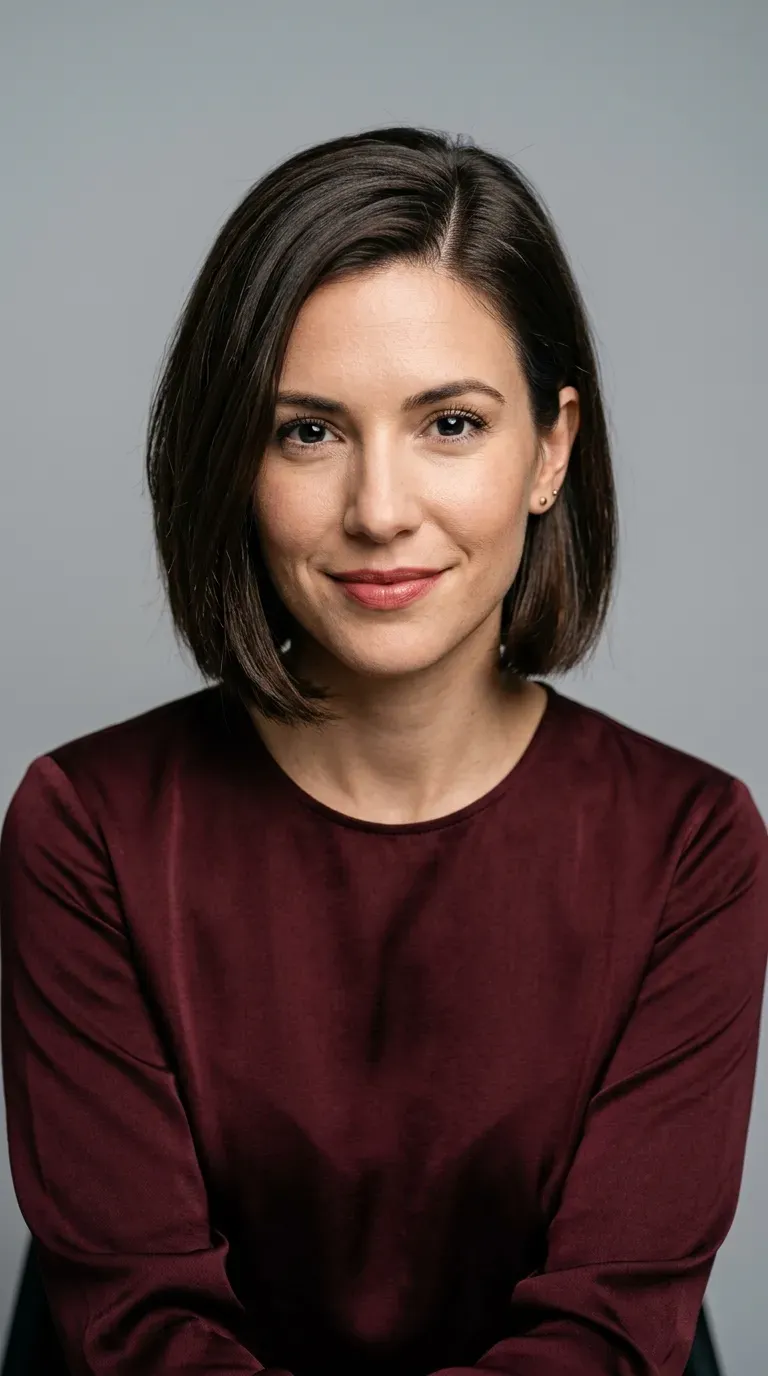
Why it works: Moving the part off-center automatically creates the appearance of more volume, since one side naturally falls fuller than the other. Root powder adds grip and texture right at the scalp, where thinning hair usually falls flattest.
Ask for: Ask for “a deep side part cut into the bob,” then dust root powder into damp roots before drying.
14. Loose Voluminous Top Knot
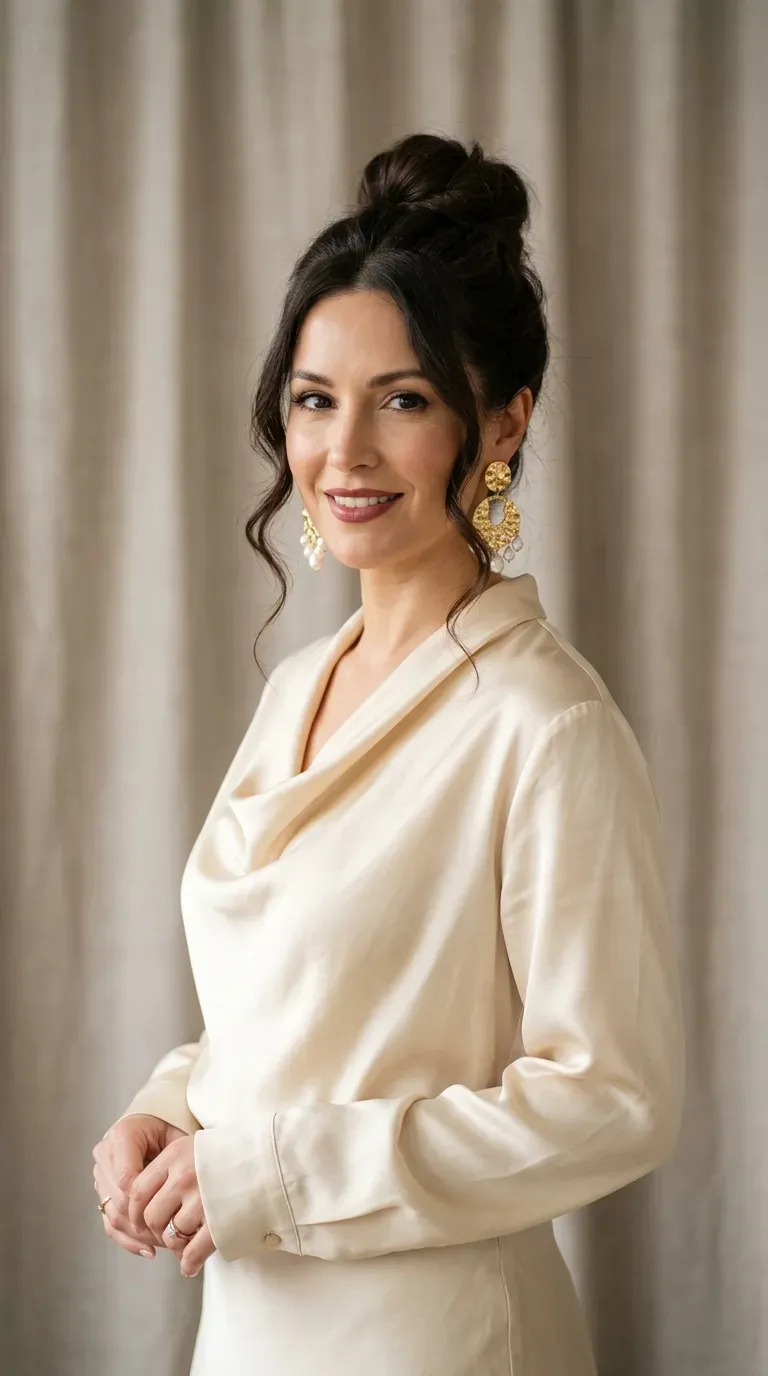
Why it works: Piling hair loosely on top of the head, rather than pulling it tightly, keeps thinning strands from looking stretched and instead gives the illusion of a fuller bun. It also lifts the whole face, which flatters most face shapes for dressier occasions.
Ask for: Backcomb the ponytail lightly before twisting it into a loose knot, then pull a few pieces free at the front.
15. Headband Waves
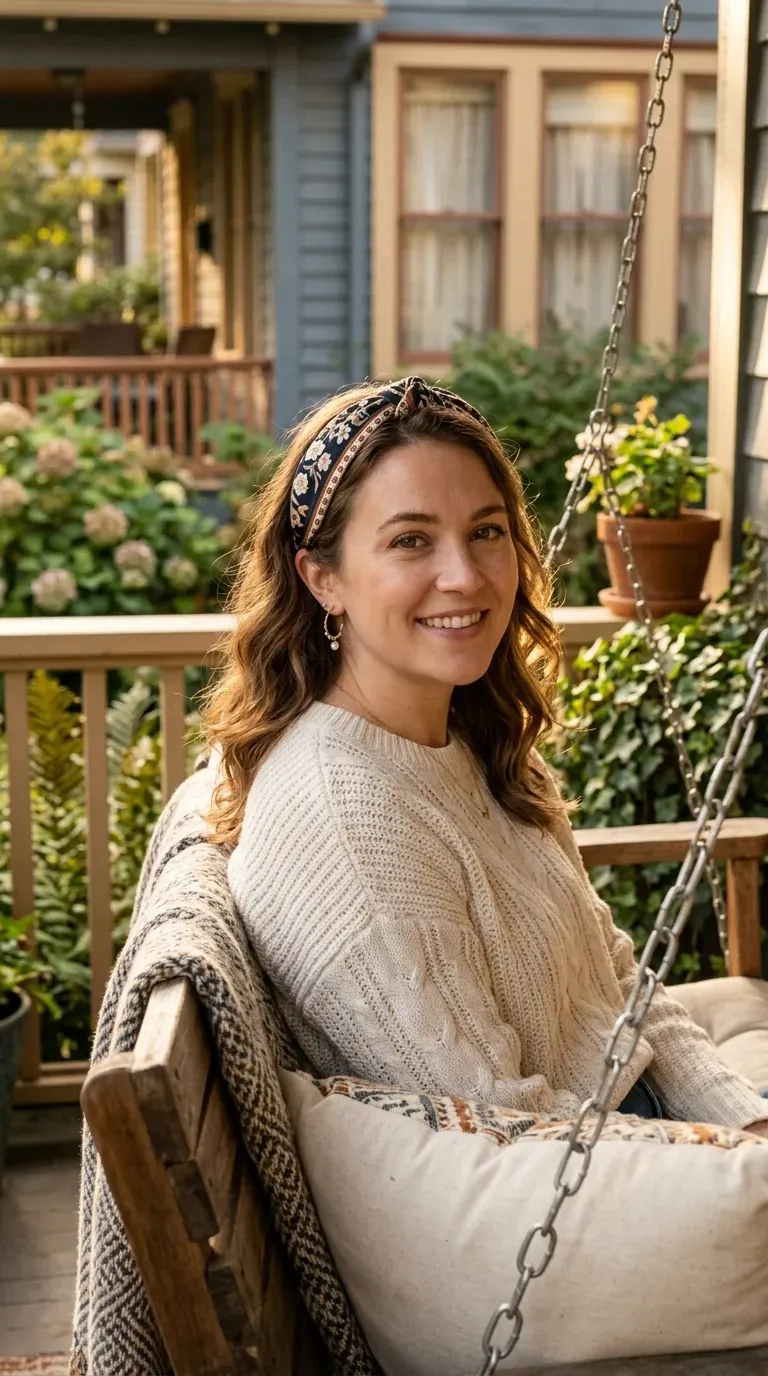
Why it works: A headband holds thinning hair off the forehead without the flattening pressure of a tight clip, keeping the crown lifted throughout the day. The soft waves underneath add just enough texture to keep the style from looking too plain.
Ask for: Set loose waves with a one-inch curling iron, then place the headband just behind the hairline.
16. Long Face-Framing Layers
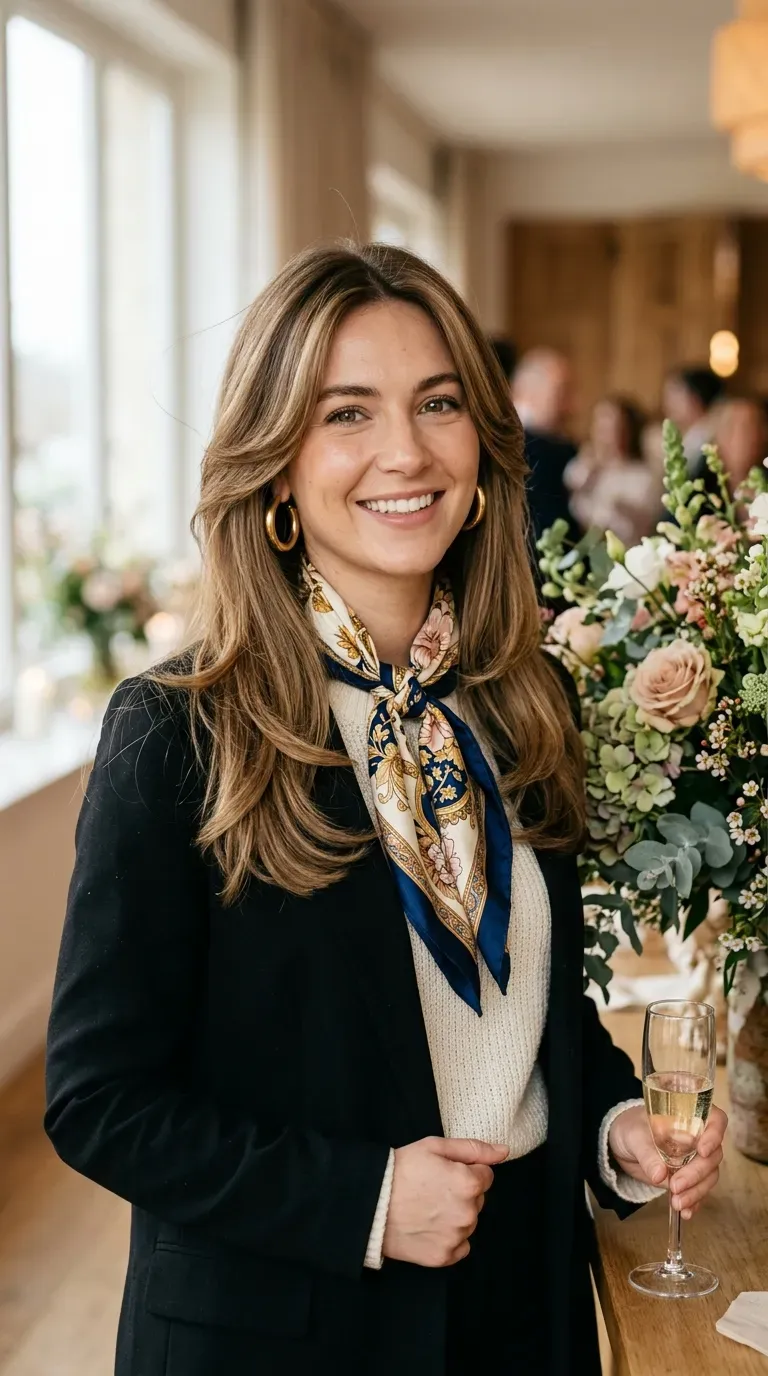
Why it works: Face-framing layers cut at varying lengths open up the face and draw the eye toward the cheekbones rather than down toward thinning ends. Finished with a round-brush blowout, the layers gain shape and bounce that thinning hair rarely holds on its own.
Ask for: Ask for “long layers framing from the cheekbone down,” then round-brush dry with tension away from the face.
17. Soft-Curl Classic Bob
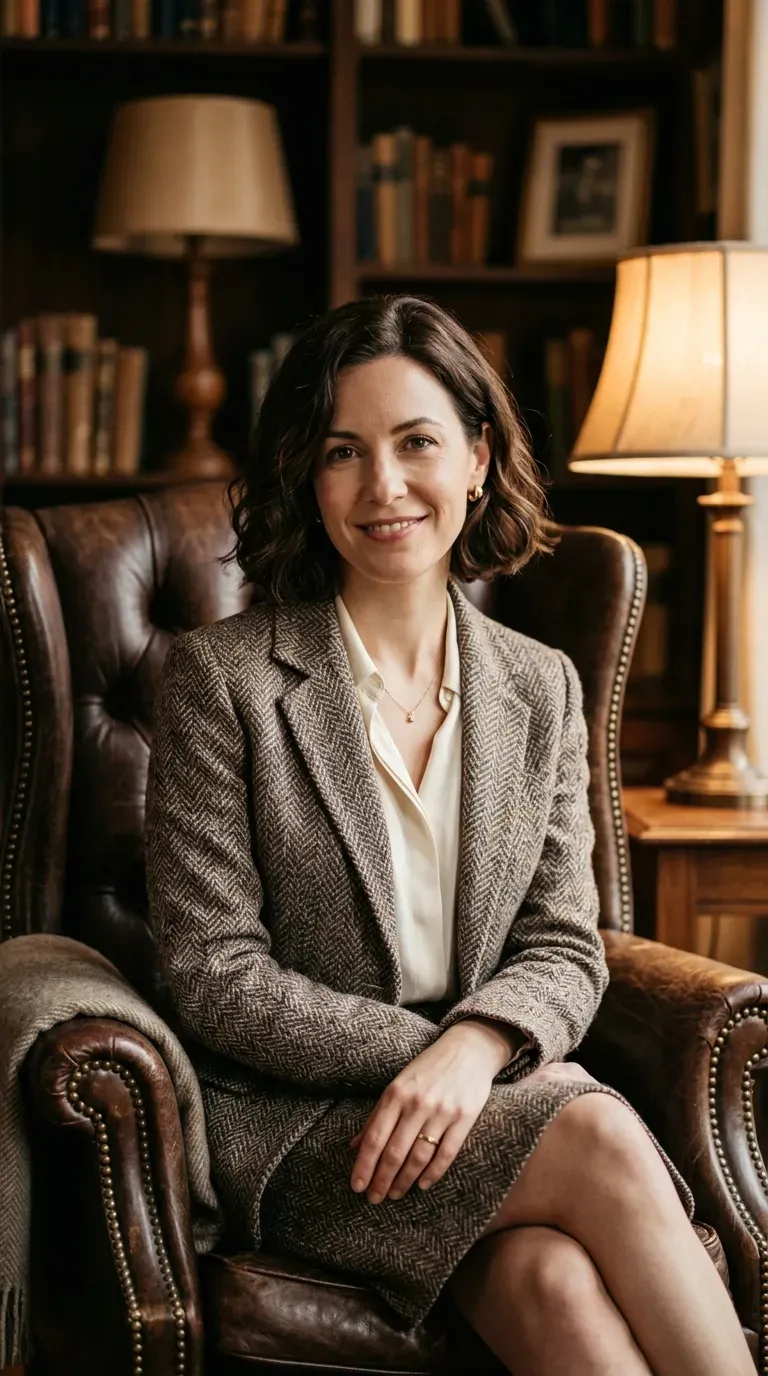
Why it works: A traditional bob length paired with soft waves rather than tight curls keeps the shape looking intentional and full without appearing overdone. The waves also catch light differently across the head, helping mask any thinning at the crown.
Ask for: Curl one-inch sections with a curling iron, alternating direction, then brush through lightly with fingers only.
18. Choppy Short Shag
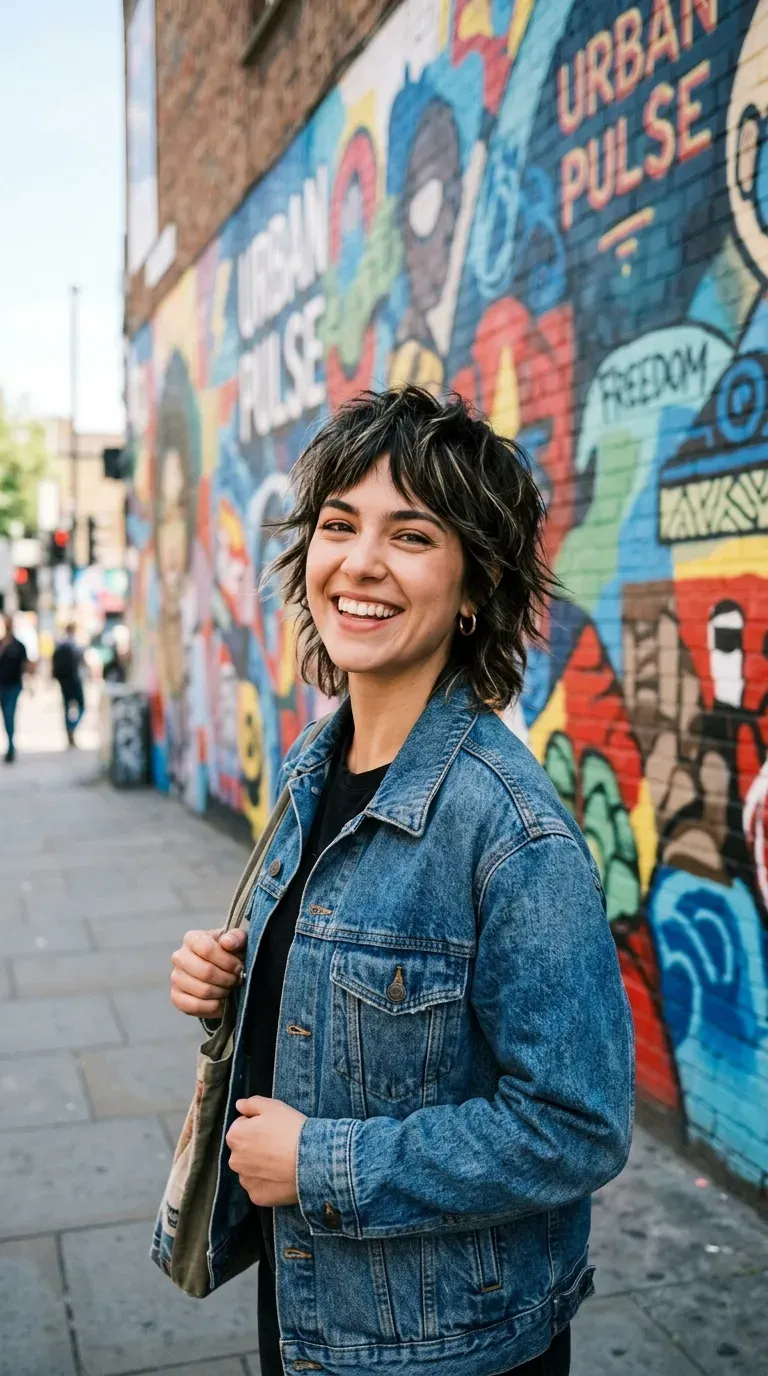
Why it works: Choppy, disconnected layers throughout a short shag give thinning hair multiple points of texture instead of one smooth surface, which reads as fuller. Strong root lift at the crown also counters the tendency of short hair to sit flat against the scalp.
Ask for: Ask for “a choppy shag with heavy point-cutting,” then blow-dry the roots upward with a paddle brush before finishing.
19. Thin Braided Crown
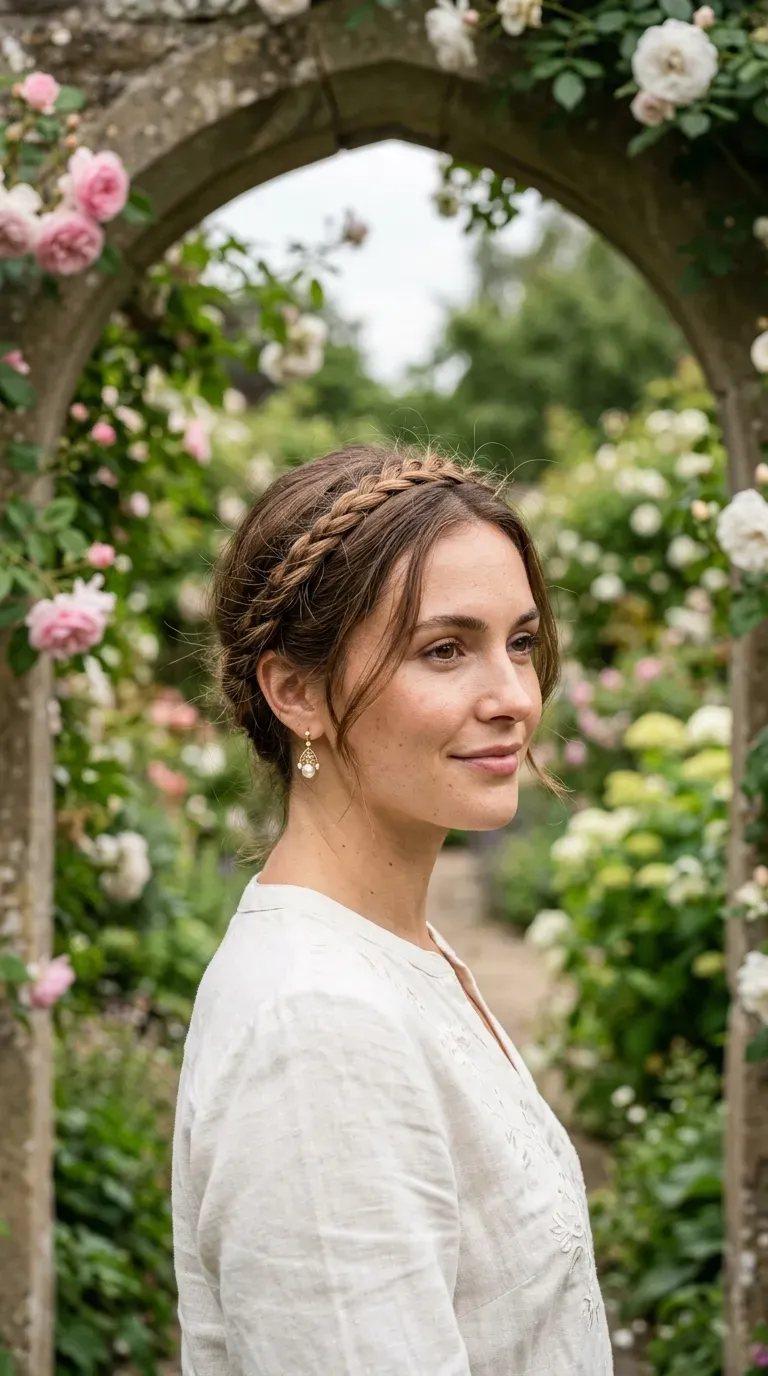
Why it works: A single thin braid wrapped along the hairline adds structure and a hint of texture without requiring enough hair for a full braided style. It also keeps hair off the face while still looking soft and feminine.
Ask for: Braid a one-inch section from each side, then pin the ends flat across the crown.
20. Event-Ready Low Chignon
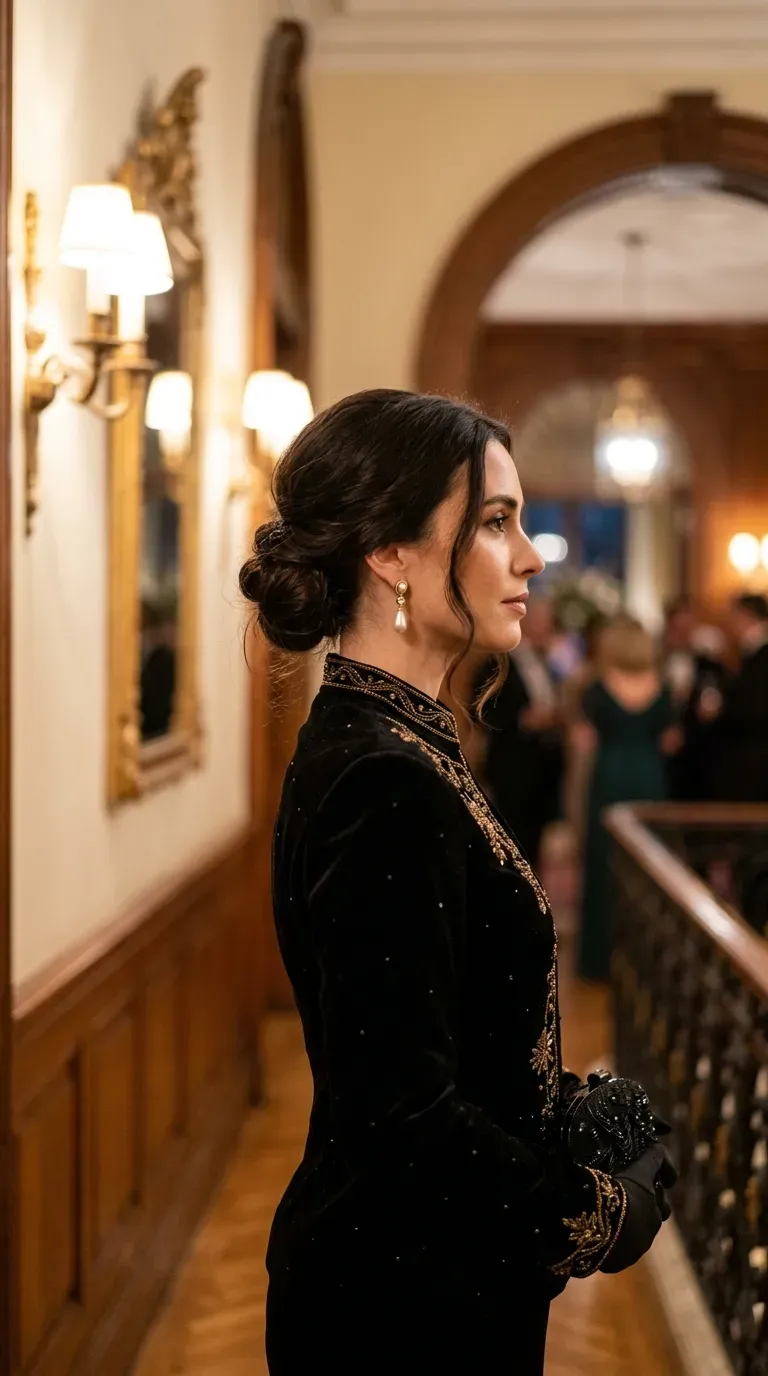
Why it works: Gathering hair loosely at the nape and softening it with a few pulled-out pieces avoids the tight, thin look a slicked-back bun would give thinning hair. It reads as polished and formal, which suits dressier occasions without needing much length.
Ask for: Twist the hair loosely at the nape, secure with pins, then gently pull a few strands loose around the face.
21. Velcro Roller Curls
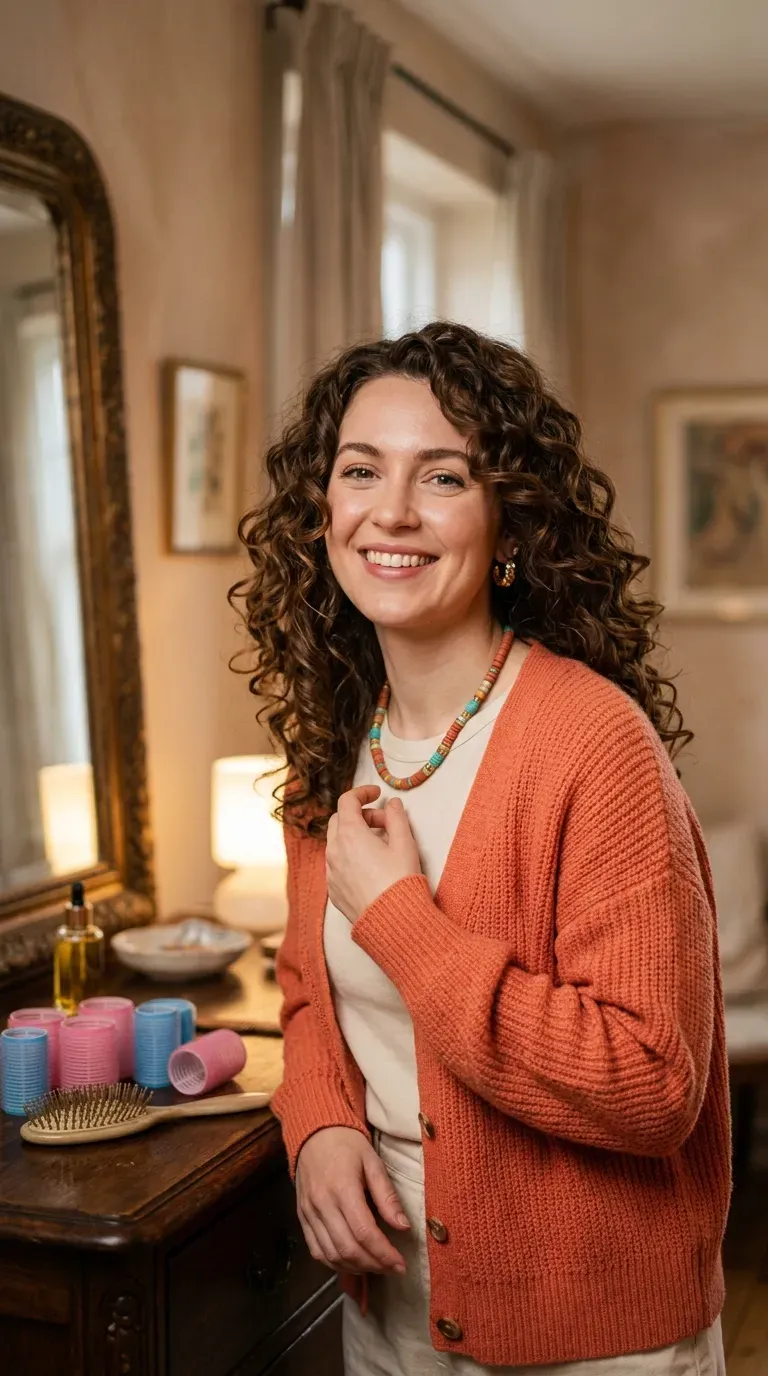
Why it works: Rollers lift hair away from the scalp as it sets, building volume from the root rather than just curling the ends. Because the curl forms gradually while cooling, it also tends to hold longer on thinning hair than a curling iron would.
Ask for: Set medium rollers at the root on damp hair, leave in until fully cool, then brush out gently with your fingers.
22. Center-Part Bob with Powder
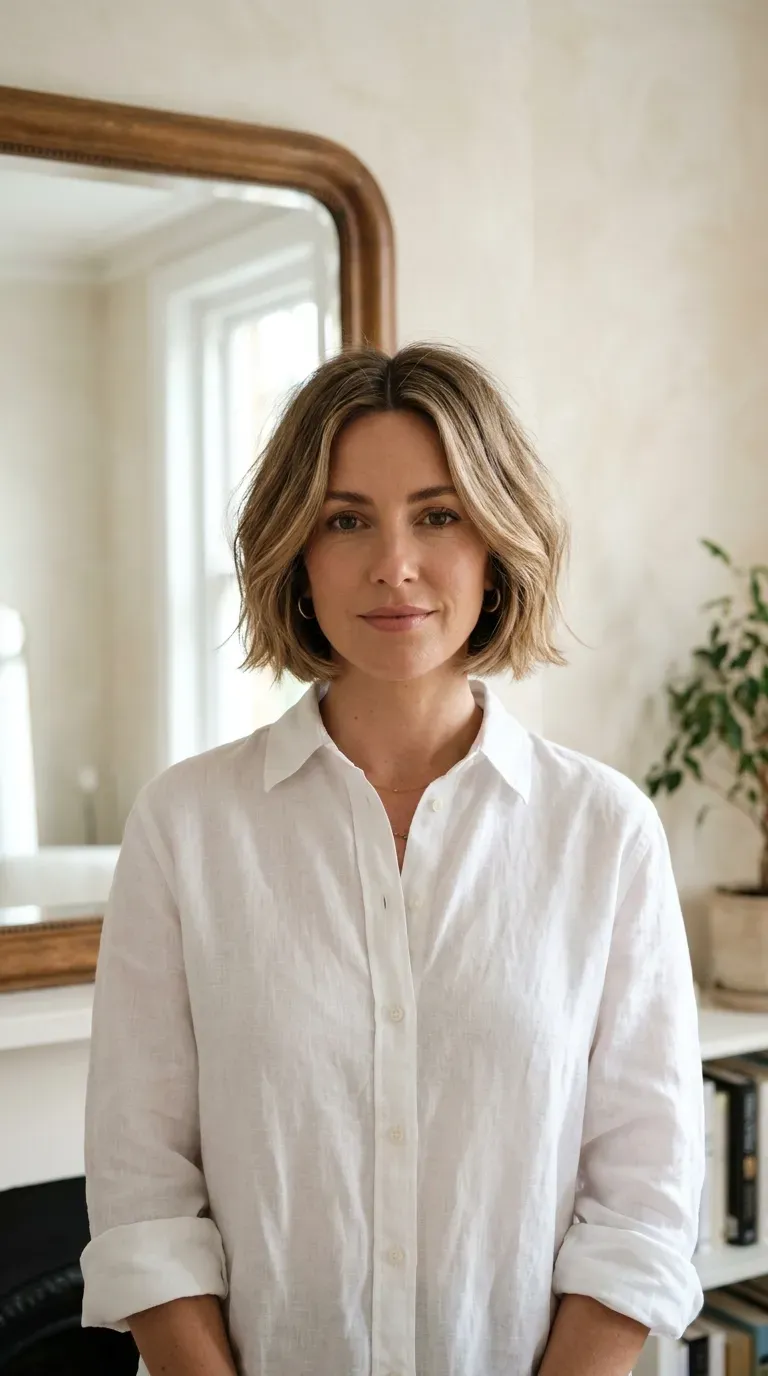
Why it works: A center part distributes hair evenly on both sides, and a light dusting of volume powder at the roots gives thinning hair the grip it needs to hold that shape. This combination is quick to apply and works well for straighter hair types.
Ask for: Dust volume powder into dry roots along the part line, then massage gently with fingertips.
23. Fringed Crop with Layers
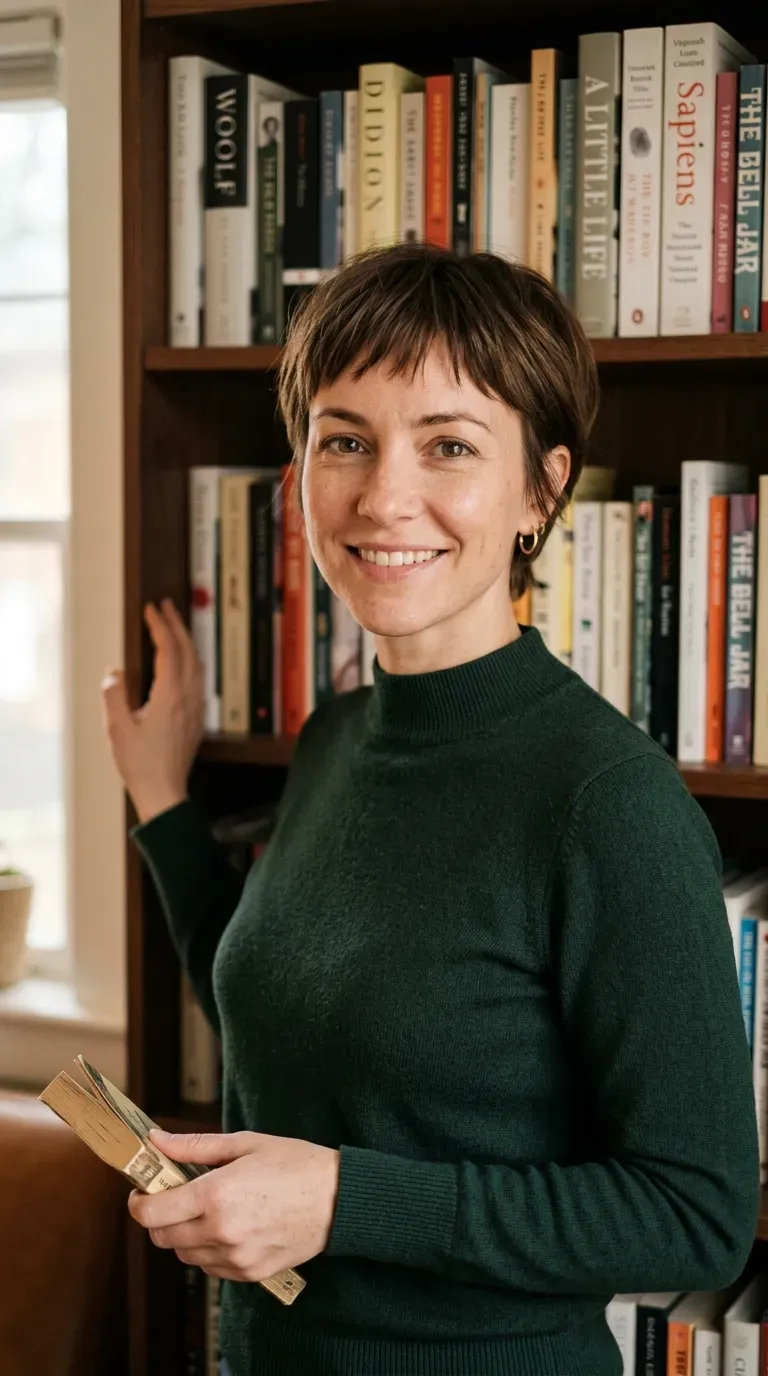
Why it works: Short layers throughout the crop keep the overall silhouette light and rounded, which suits thinning hair better than longer, heavier shapes. Wispy bangs soften the forehead without adding the weight that thicker, blunt bangs would need to hold their line.
Ask for: Ask for “a rounded crop with point-cut, feathered bangs” to keep everything airy.
FAQs
What’s the best hairstyle for thinning hair over 50? A textured pixie with root lift, a one-length blunt bob, or a shag with wispy bangs tend to work well, since each is built around cut and lift rather than relying on length to create body that thinning hair can’t hold on its own.
How to make thinning hair look fuller for everyday wear? Focus on root lift by blow-drying upside down or with a round brush pulling away from the scalp, keep a slightly off-center part to avoid a harsh line at the roots, and use lightweight styling products rather than heavy creams that weigh strands down.
Are updos good for thinning hair? Yes, as long as they’re built with some backcombing or teasing at the crown first — a smooth, tightly pulled-back updo can look thin and stretched, but one with soft height and a few loose pieces around the face reads as full and polished.
Wrap-Up
Whichever style you choose, the real key for thinning hair is shape, softness, and where the volume sits — lifted at the crown, textured through the ends, and never pulled so tight that the scalp shows more than the hair. Pick the one that matches how much time you want to spend and the occasion you’re dressing for, and let the rest come down to personal preference.