
Gray hair on its own can sometimes read as one flat tone, especially under indoor lighting where it doesn’t get the chance to catch natural light the way it does outdoors. Lowlights — strands colored slightly darker than the surrounding gray — break up that flatness and add the kind of depth that makes gray hair look intentional rather than simply undyed.
The placement, width, and tone of the lowlights make a big difference in the final effect, from barely-there dimension to a bold, graphic contrast. Here are 23 gray hair with lowlights ideas to bring to your next color appointment.
1. Silver Gray with Soft Dark Lowlights

Why it works: Soft, subtle lowlights woven through silver gray hair add depth without disrupting the overall silver tone, giving the color a richer, more dimensional look. This is a gentle entry point for anyone new to adding lowlights to gray hair.
Ask for: Ask your colorist for “soft, blended dark lowlights woven finely through silver gray, kept subtle.”
2. Salt-and-Pepper with Subtle Lowlights
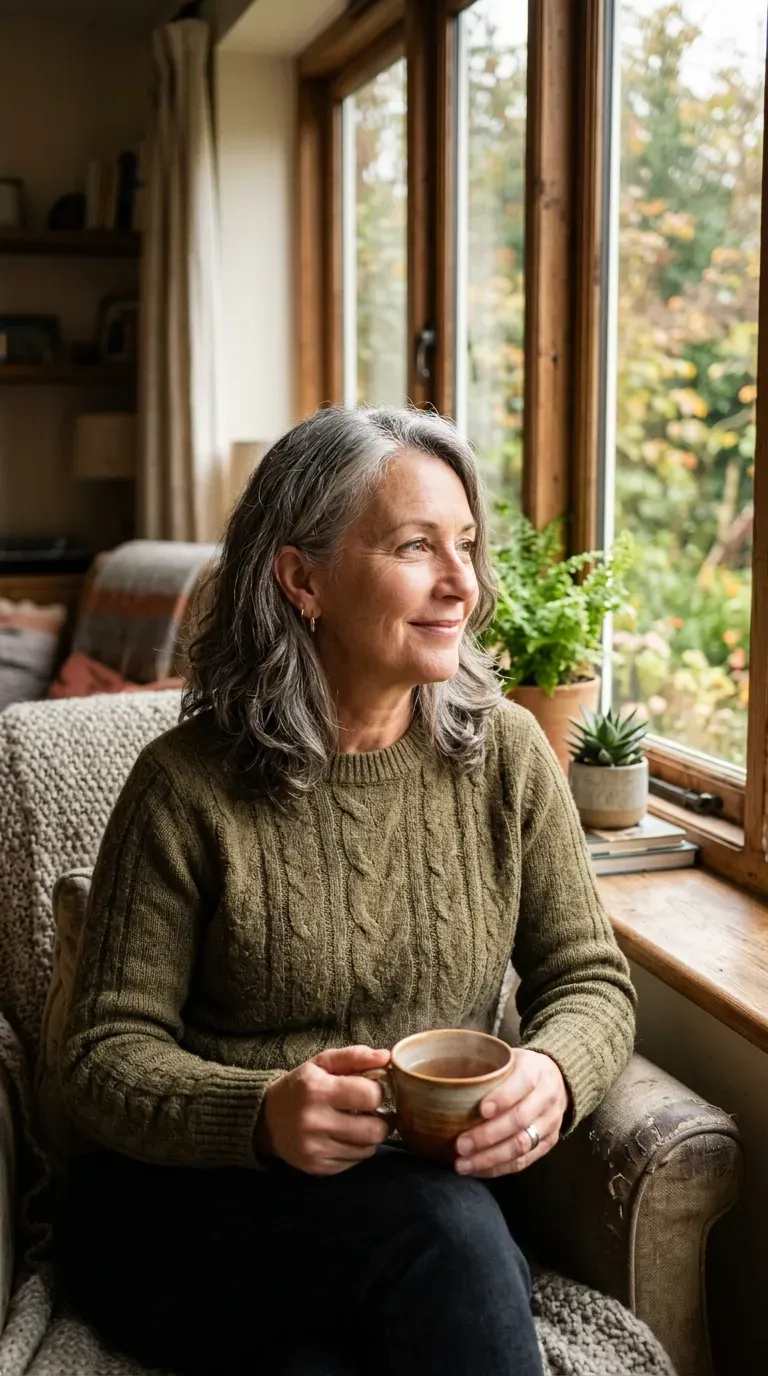
Why it works: Salt-and-pepper hair already has natural tonal variation, and subtle lowlights enhance that mix rather than overriding it, keeping the transition to full gray looking intentional. This approach works well for those still transitioning away from their original color.
Ask for: Ask your colorist for “lowlights that match the darker strands already present in the salt-and-pepper mix.”
3. Gray Bob with Dimensional Lowlights
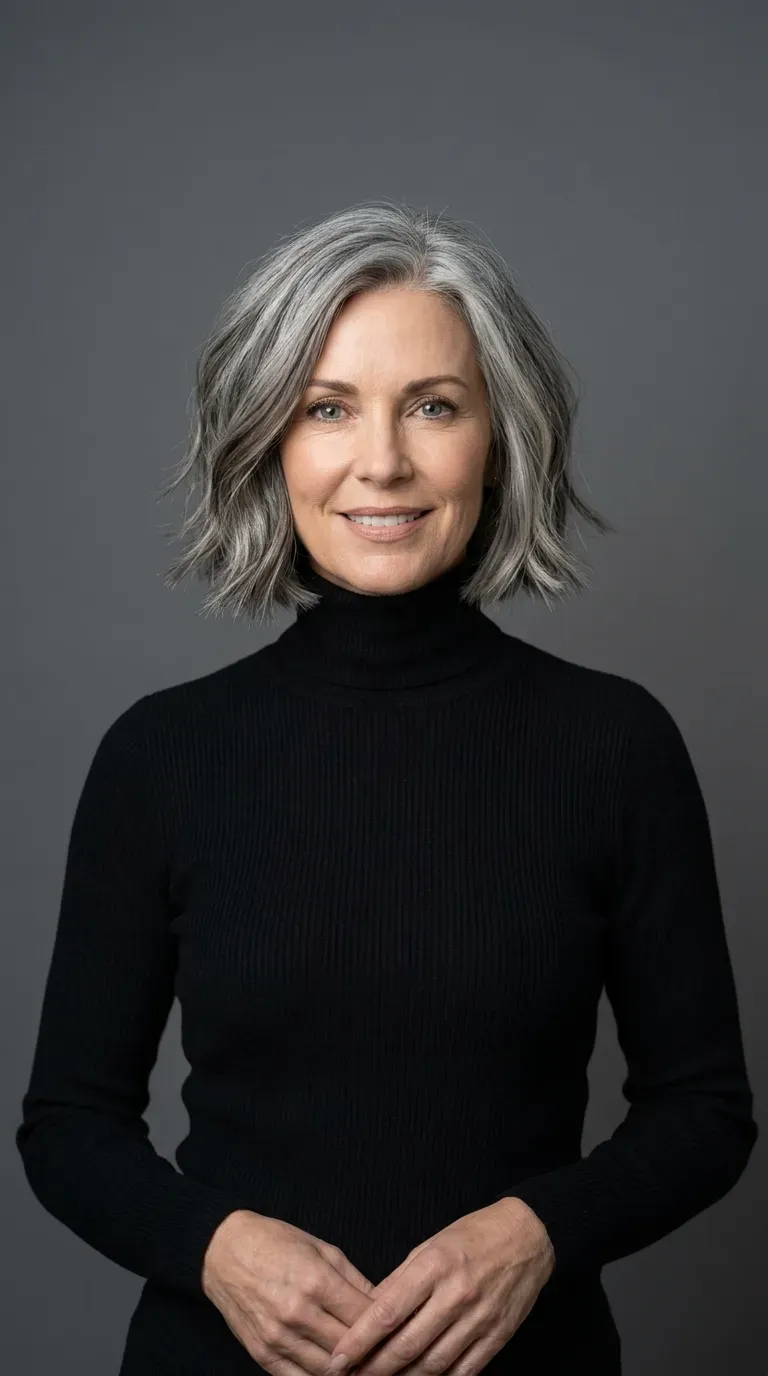
Why it works: A bob’s cleaner, more graphic shape shows off dimensional lowlights especially well, since the color variation has a defined silhouette to move within. This pairing suits those who want their color to read clearly even in a simple, low-maintenance cut.
Ask for: Ask your colorist for “dimensional lowlights placed to follow the bob’s shape and movement.”
4. Gray Pixie with Lowlights

Why it works: On short hair, lowlights placed at the crown are especially visible since there’s less length for the color to get lost in. This combination adds noticeable depth to a pixie without requiring a large color investment.
Ask for: Ask your colorist for “lowlights concentrated at the crown, where they’ll show most clearly on short hair.”
5. Gray Hair with Chunky Lowlights
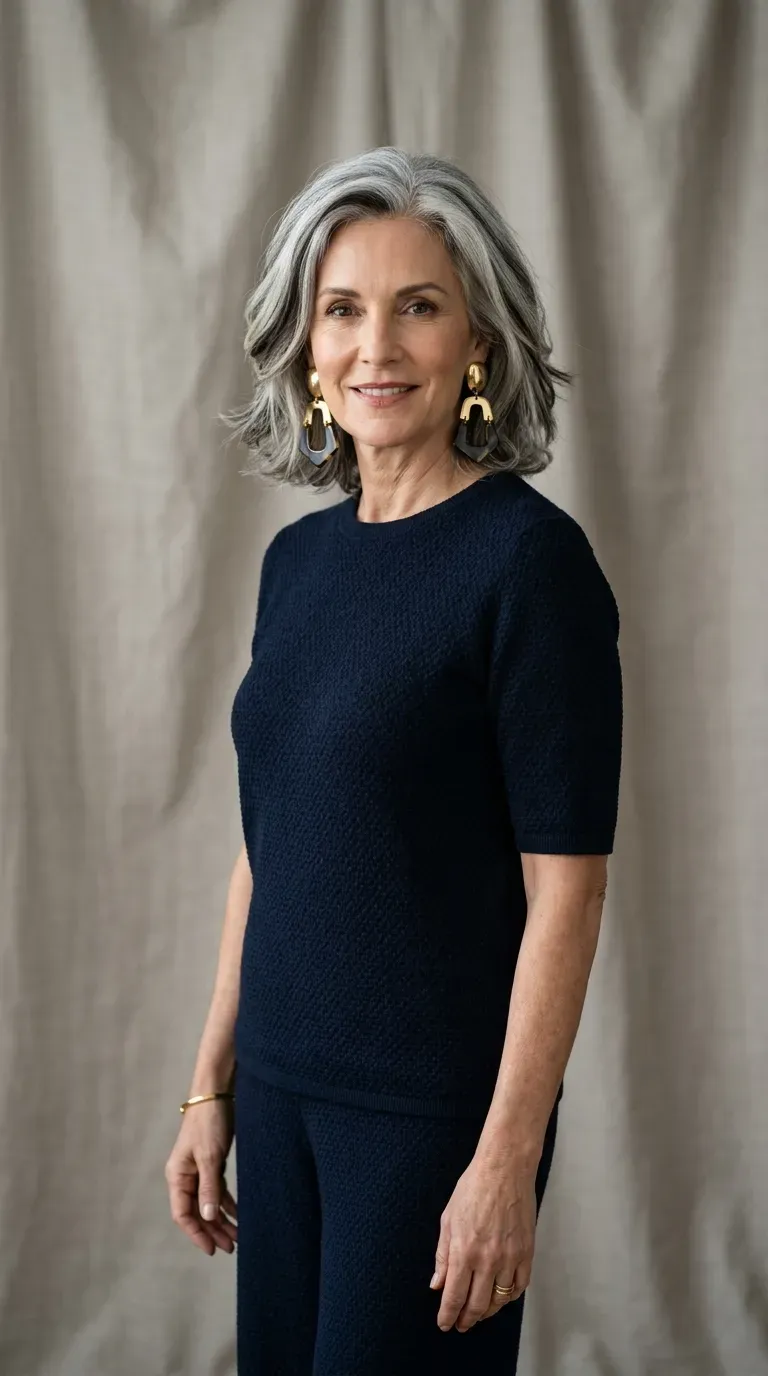
Why it works: Wider, more visible lowlight sections create a bolder, more graphic contrast against gray hair than fine, blended pieces would. This version suits anyone who wants their color to make a clear statement rather than a subtle enhancement.
Ask for: Ask your colorist for “wider, more visible lowlight sections rather than fine, blended pieces.”
6. Gray Hair with Face-Framing Lowlights
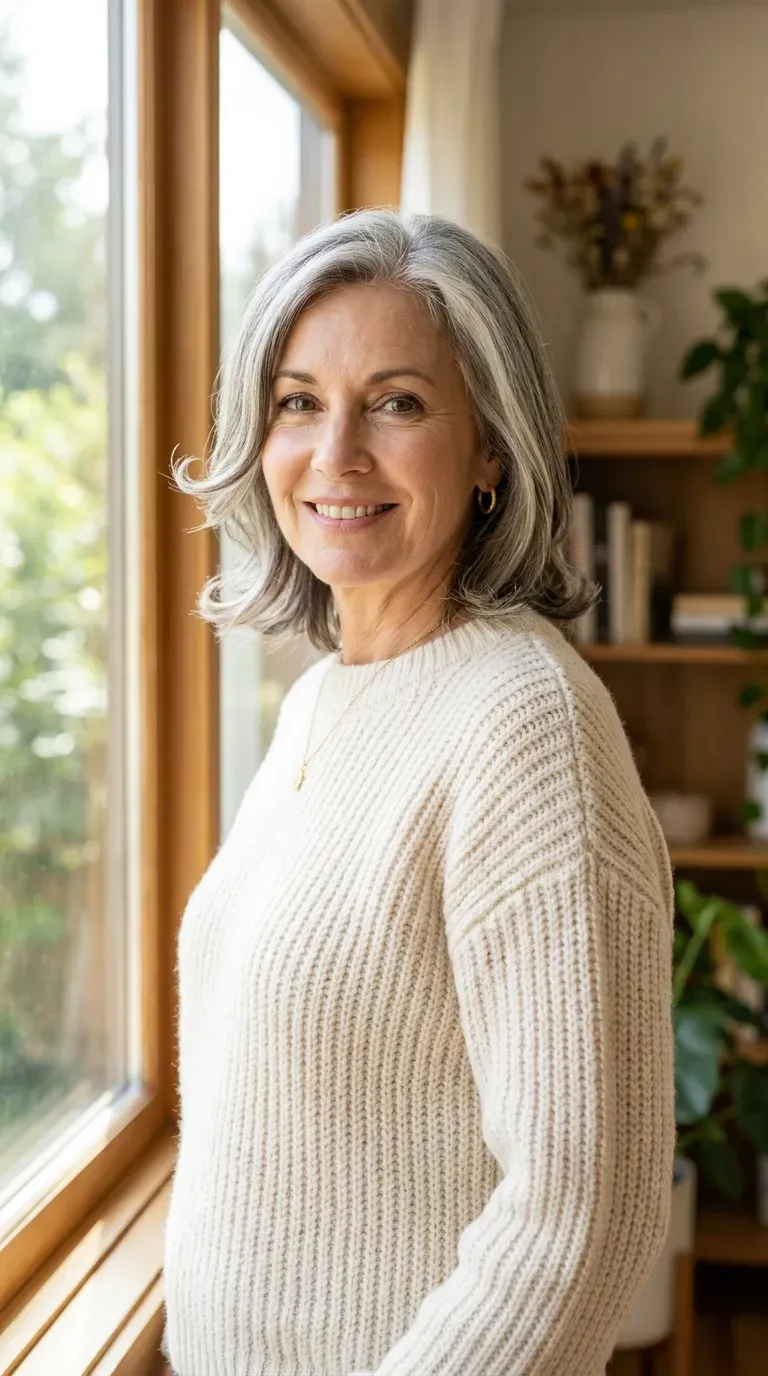
Why it works: Concentrating lowlights around the face draws attention to the features and adds contrast exactly where the eye naturally goes first. This targeted placement gives noticeable dimension without coloring the entire head.
Ask for: Ask your colorist for “lowlights placed only in the face-framing sections, left blended elsewhere.”
7. Gray Shag with Lowlights
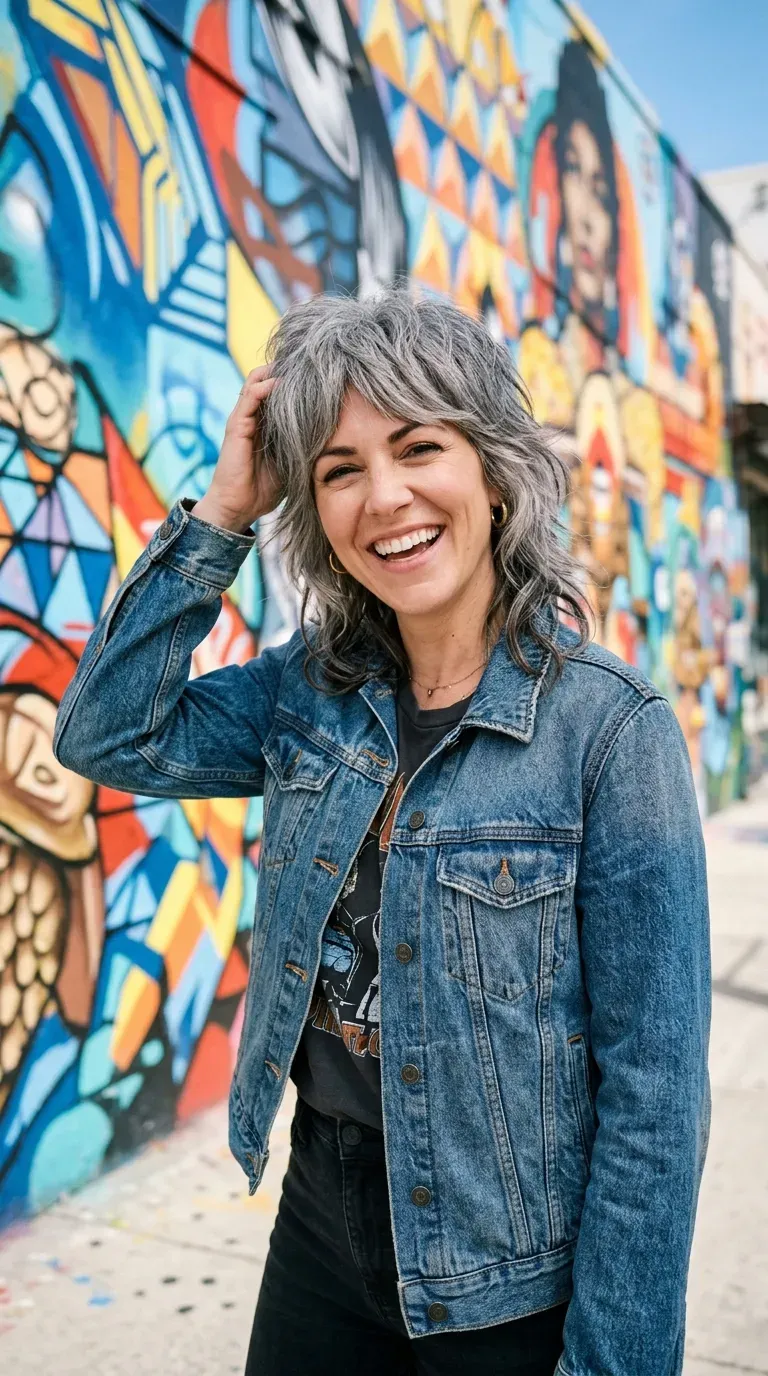
Why it works: A shag’s heavy layering gives lowlights multiple separate sections to weave through, which multiplies the sense of movement and depth compared to a single-length cut. This combination suits those who want both textural and color dimension.
Ask for: Ask your colorist for “lowlights woven through each layer of the shag rather than placed in one flat section.”
8. Gray Hair with Root-Blended Lowlights
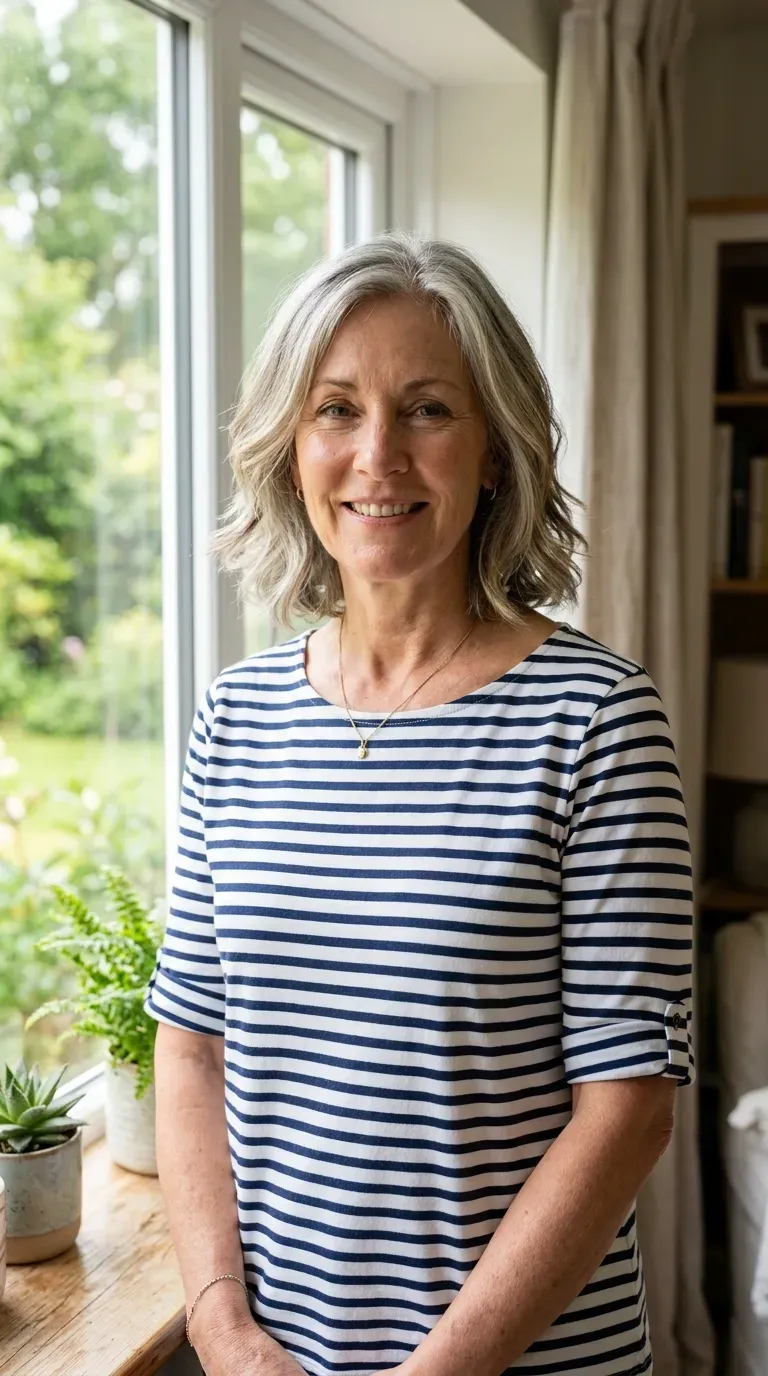
Why it works: Blending the lowlights starting close to the root, rather than only through the mid-lengths, avoids an obvious line where new gray growth would otherwise show. This technique extends the time between color appointments.
Ask for: Ask your colorist for “lowlights softly blended starting close to the root for a low-maintenance regrowth line.”
9. Gray Lob with Soft Lowlights
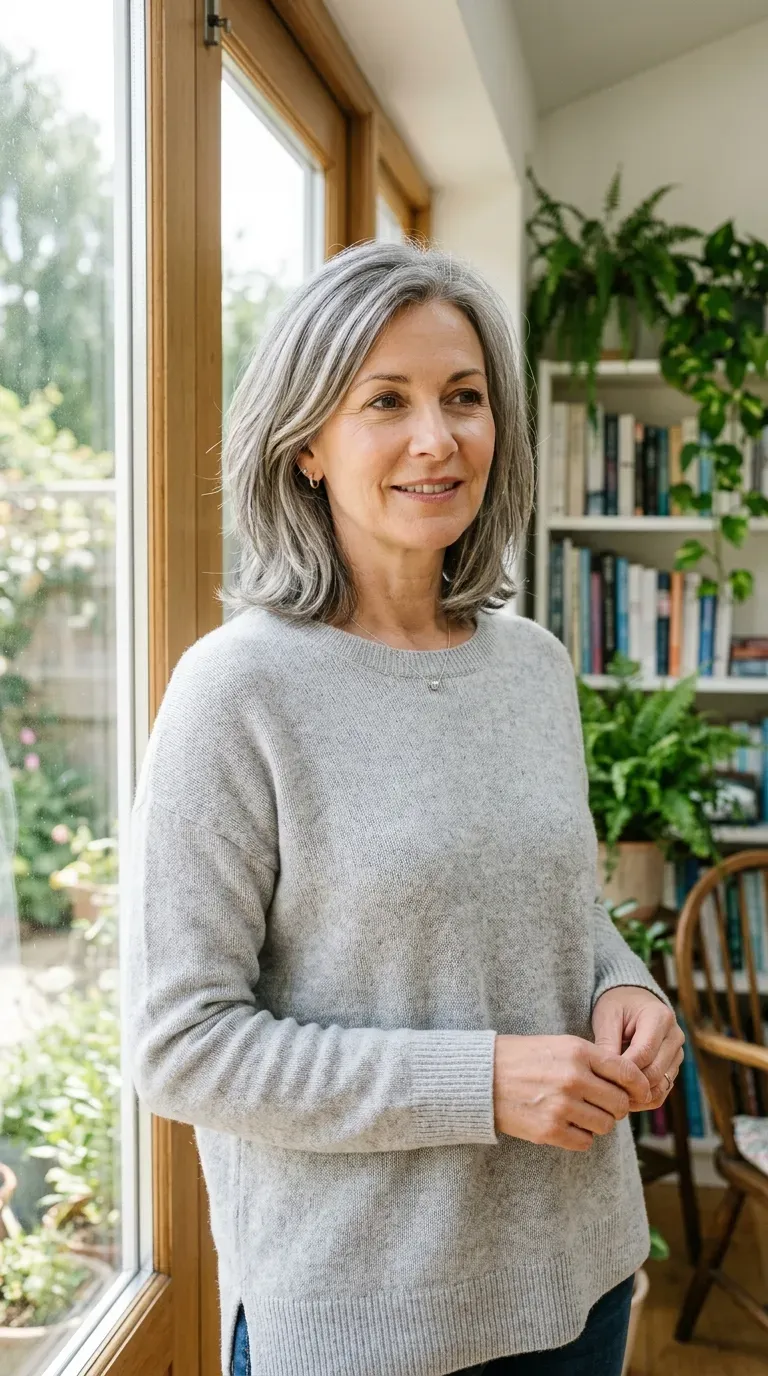
Why it works: A long bob offers more length for soft lowlights to move through than a shorter cut, letting the color variation show as the hair swings. This combination stays soft and wearable for everyday settings.
Ask for: Ask your colorist for “soft lowlights placed throughout a long bob, blended finely rather than in bold sections.”
10. Gray Curly Hair with Lowlights

Why it works: On curly hair, lowlights placed within individual curls create a spiral of color and light gray that’s especially visible as the curls move and bounce. This combination adds a lively, three-dimensional quality to the curl pattern.
Ask for: Ask your colorist for “lowlights painted onto individual curl clumps rather than in flat, straight sections.”
11. Gray Hair with Fine Highlighted Lowlights
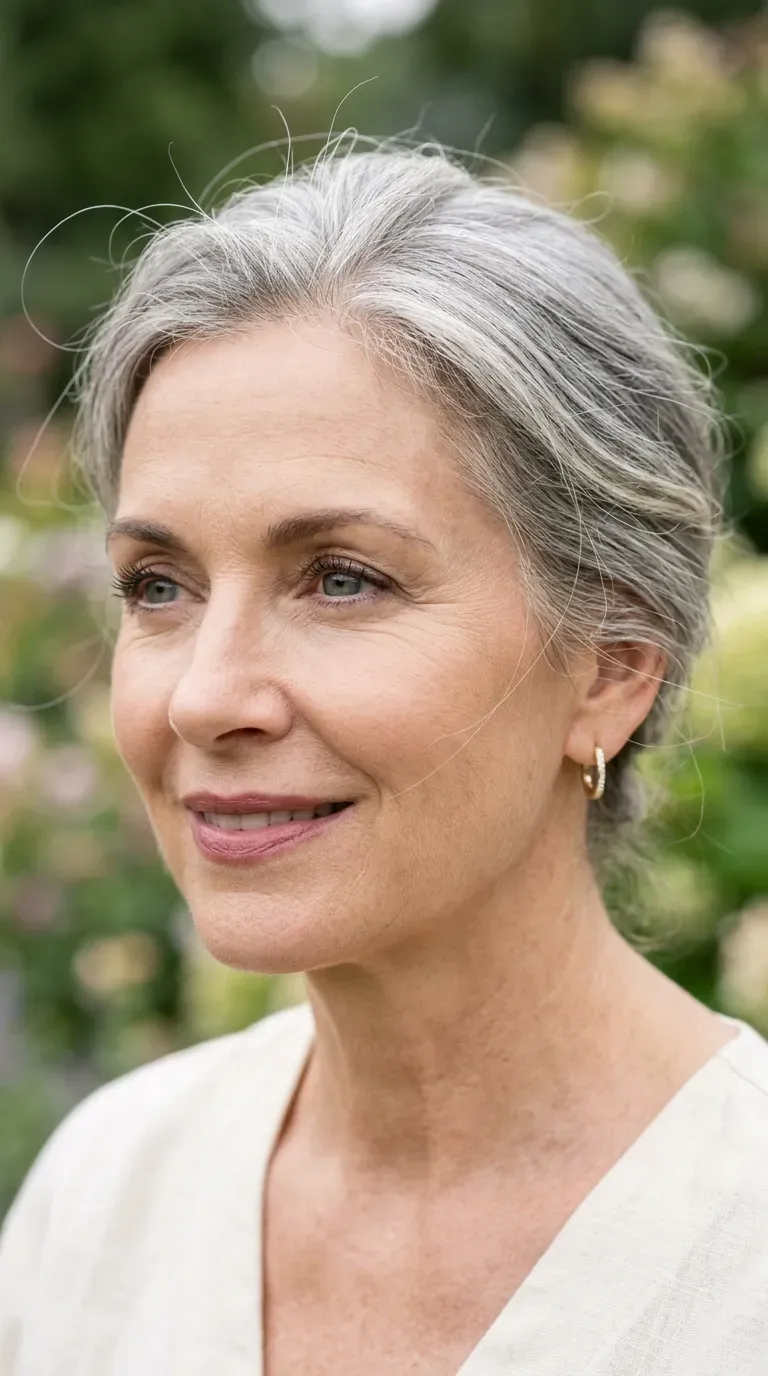
Why it works: Very fine, thread-thin lowlights add just a hint of depth without creating strong contrast, which suits those who want their gray to stay dominant with only subtle enhancement. This is the most understated version of the trend.
Ask for: Ask your colorist for “very fine, thread-width lowlights placed sparingly throughout.”
12. Gray Wavy Hair with Lowlights
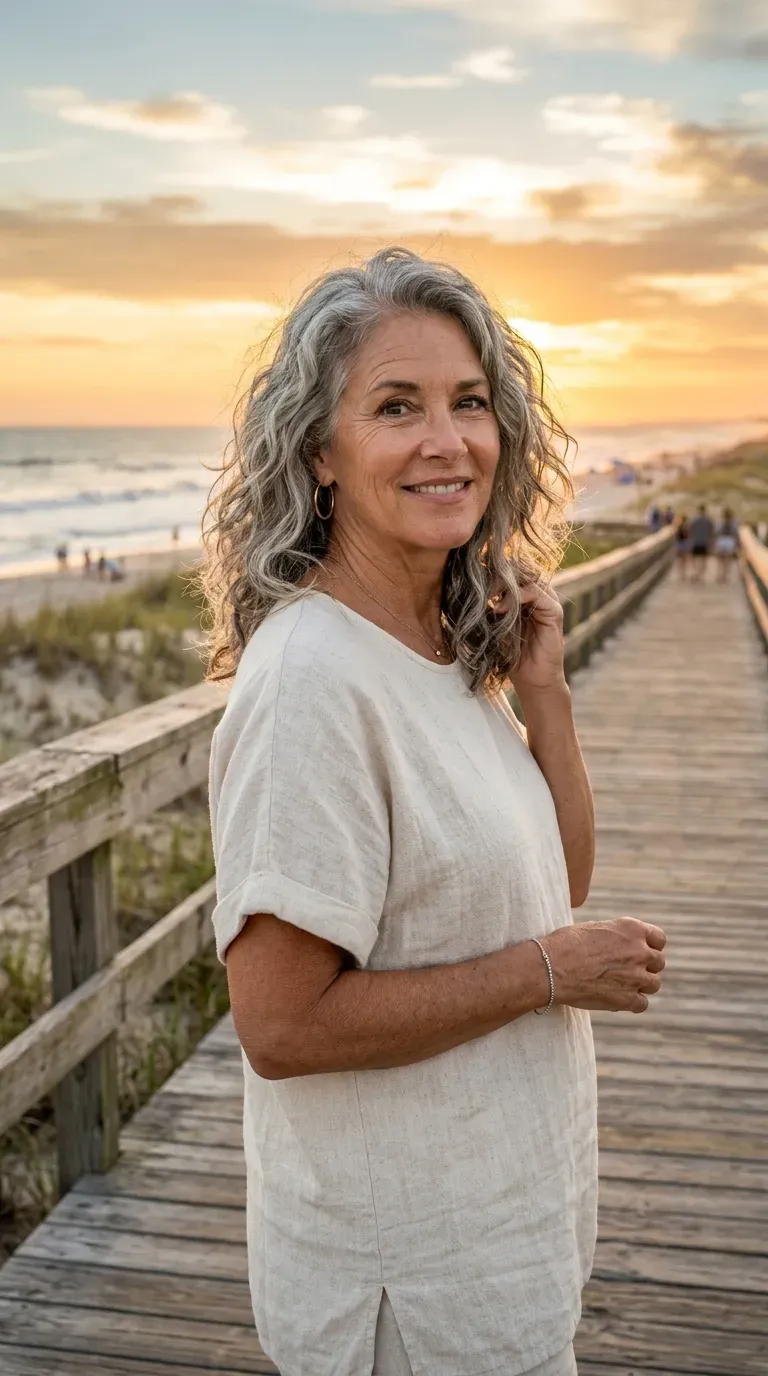
Why it works: Placing lowlights to follow the natural direction of a wave pattern means the color moves with the hair’s texture rather than cutting across it. This creates a natural, sun-kissed sense of depth that suits wavy gray hair especially well.
Ask for: Ask your colorist for “lowlights hand-painted to follow the direction of the natural wave.”
13. Gray Hair with Warm Brown Lowlights
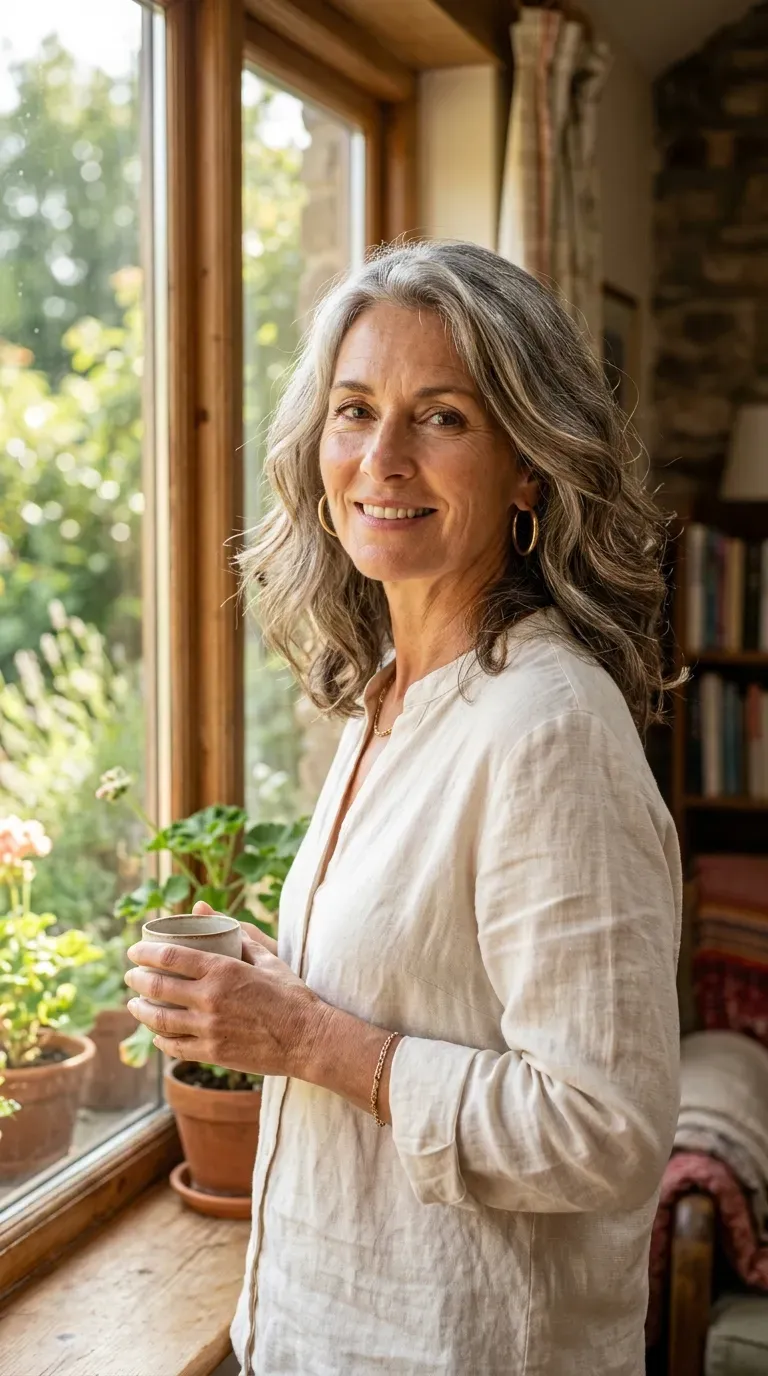
Why it works: Warm brown tones woven through gray hair create a softer contrast than cooler, darker shades, which can complement warmer skin tones especially well. This combination gives gray hair a rich, sun-warmed quality.
Ask for: Ask your colorist for “warm brown lowlights rather than cool or ash-toned ones.”
14. Gray Hair with Cool Ash Lowlights

Why it works: Cool, ash-toned lowlights blend seamlessly with silver or steel-gray tones, keeping the overall color palette unified rather than introducing a warm contrast. This combination suits those who want their lowlights to feel like a natural extension of their gray rather than a separate color.
Ask for: Ask your colorist for “cool, ash-toned lowlights that match the existing gray’s undertone.”
15. Gray Hair with Peekaboo Lowlights
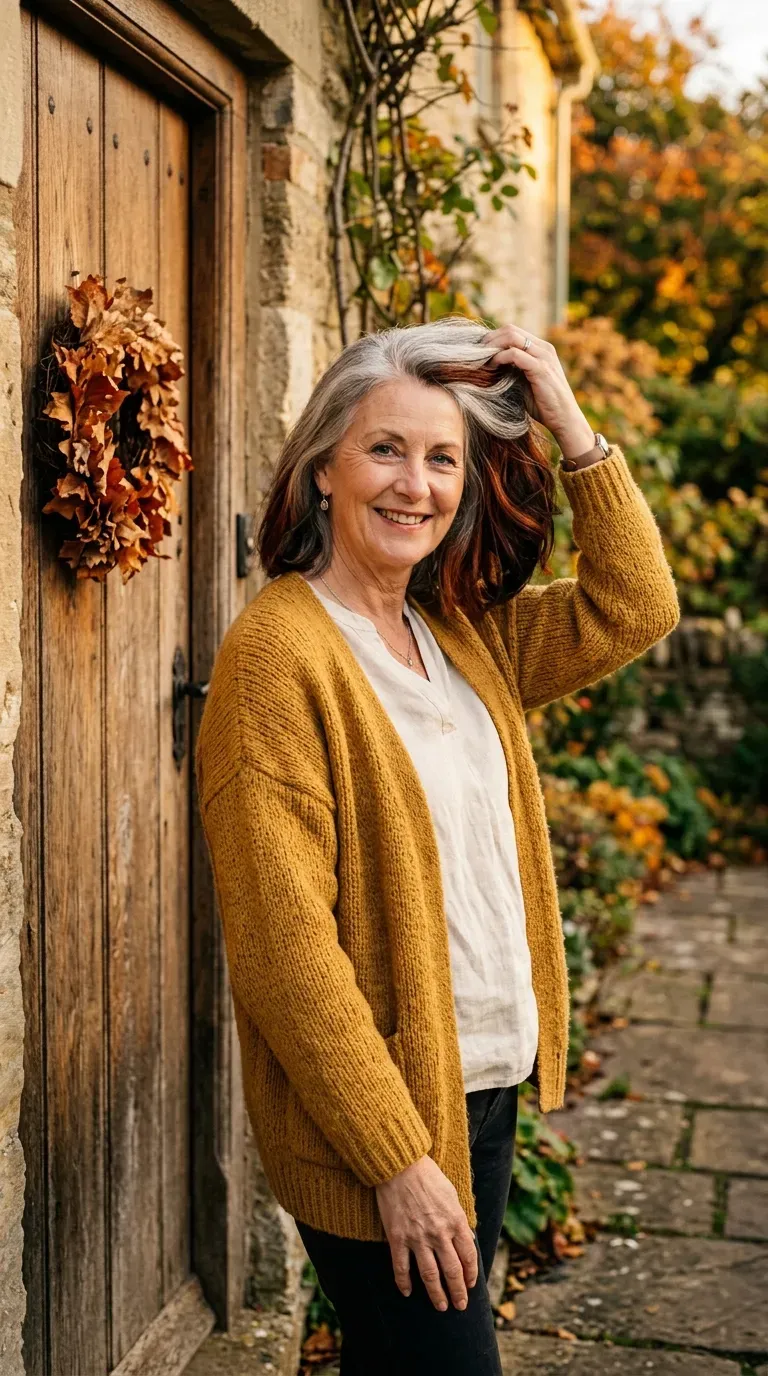
Why it works: Placing lowlights underneath the top layer means they only show when the hair moves or is tucked behind an ear, giving a surprise element rather than an all-over statement. This is a fun option for those who want color without it being visible all the time.
Ask for: Ask your colorist for “lowlights placed only in the underneath sections, hidden by the top layer when hair is down.”
16. Gray Hair with Hand-Painted Lowlights
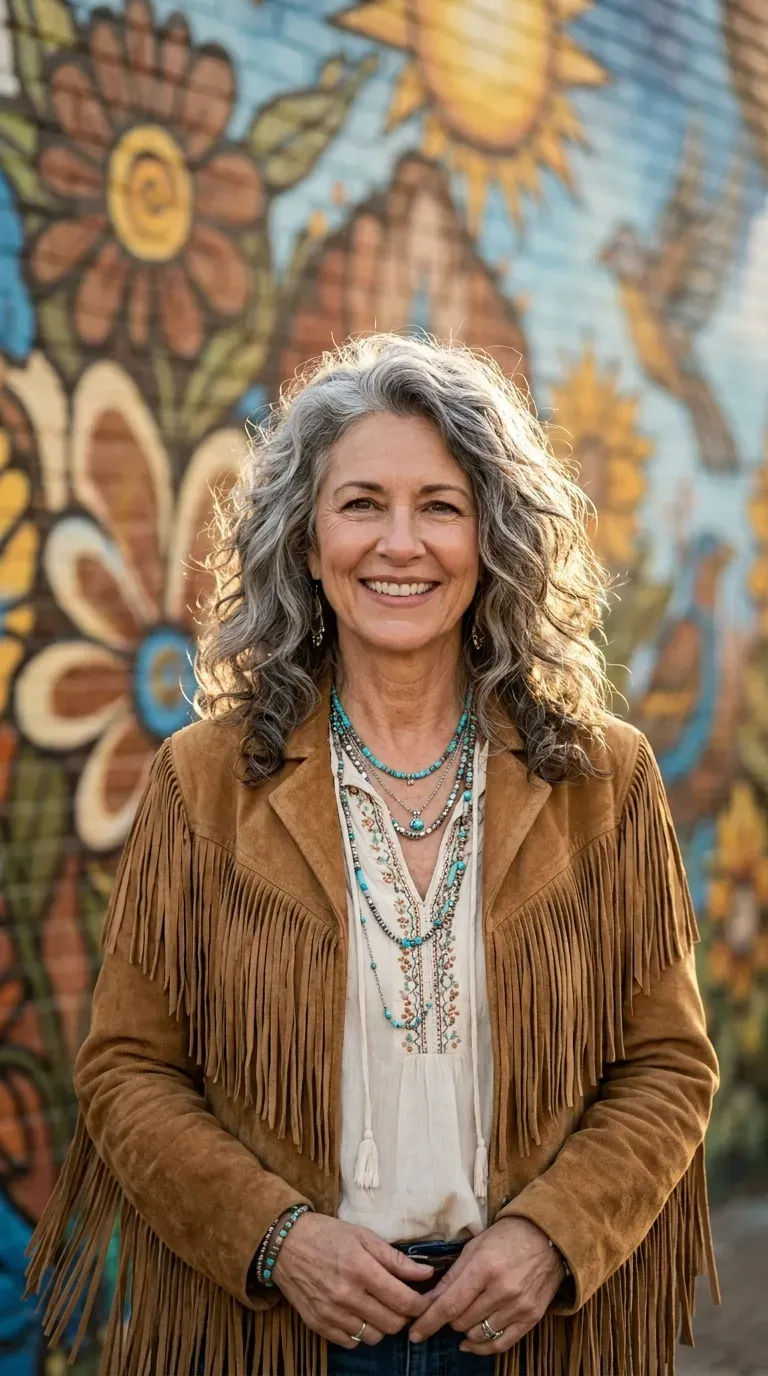
Why it works: Hand-painting the lowlights rather than foiling them in even sections creates a softer, more graduated transition between the darker pieces and the surrounding gray. This technique tends to grow out more gracefully than a harder-edged application.
Ask for: Ask your colorist for “hand-painted lowlights for a soft, graduated effect rather than a hard-edged foil application.”
17. Gray Hair with Face-Framing Money Piece

Why it works: A single, slightly wider dark piece framing one side of the face draws attention to the features with minimal color overall. This is one of the lowest-commitment ways to add contrast to gray hair.
Ask for: Ask your colorist for “a single darker face-framing piece on one side, rest of the hair left gray.”
18. Gray Hair with All-Over Blended Lowlights
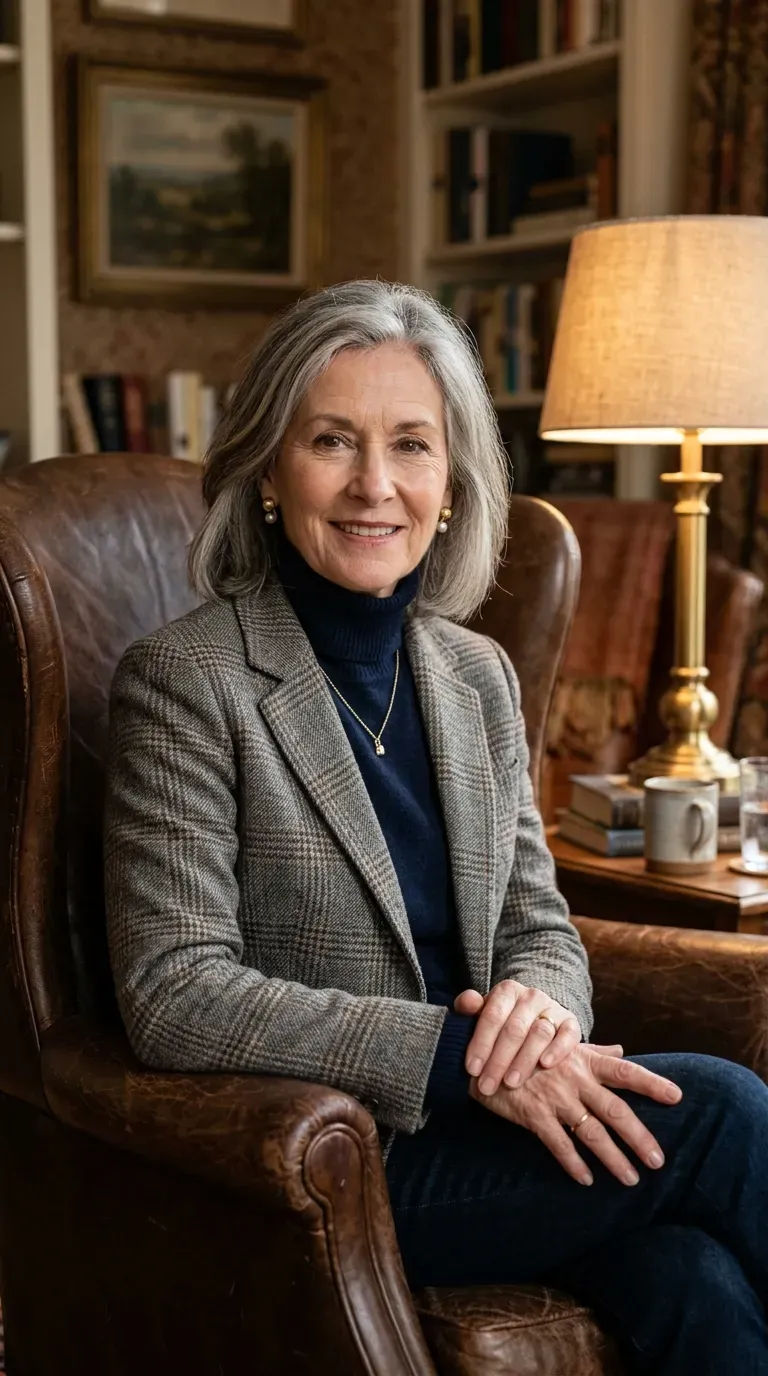
Why it works: Distributing lowlights evenly across the entire head, rather than concentrating them in one area, gives the most consistent overall depth and avoids any section looking noticeably different from the rest. This is a classic, versatile approach that suits nearly any length or cut.
Ask for: Ask your colorist for “lowlights distributed evenly across the whole head rather than concentrated in one area.”
19. Gray Hair with Subtle Panel Lowlights
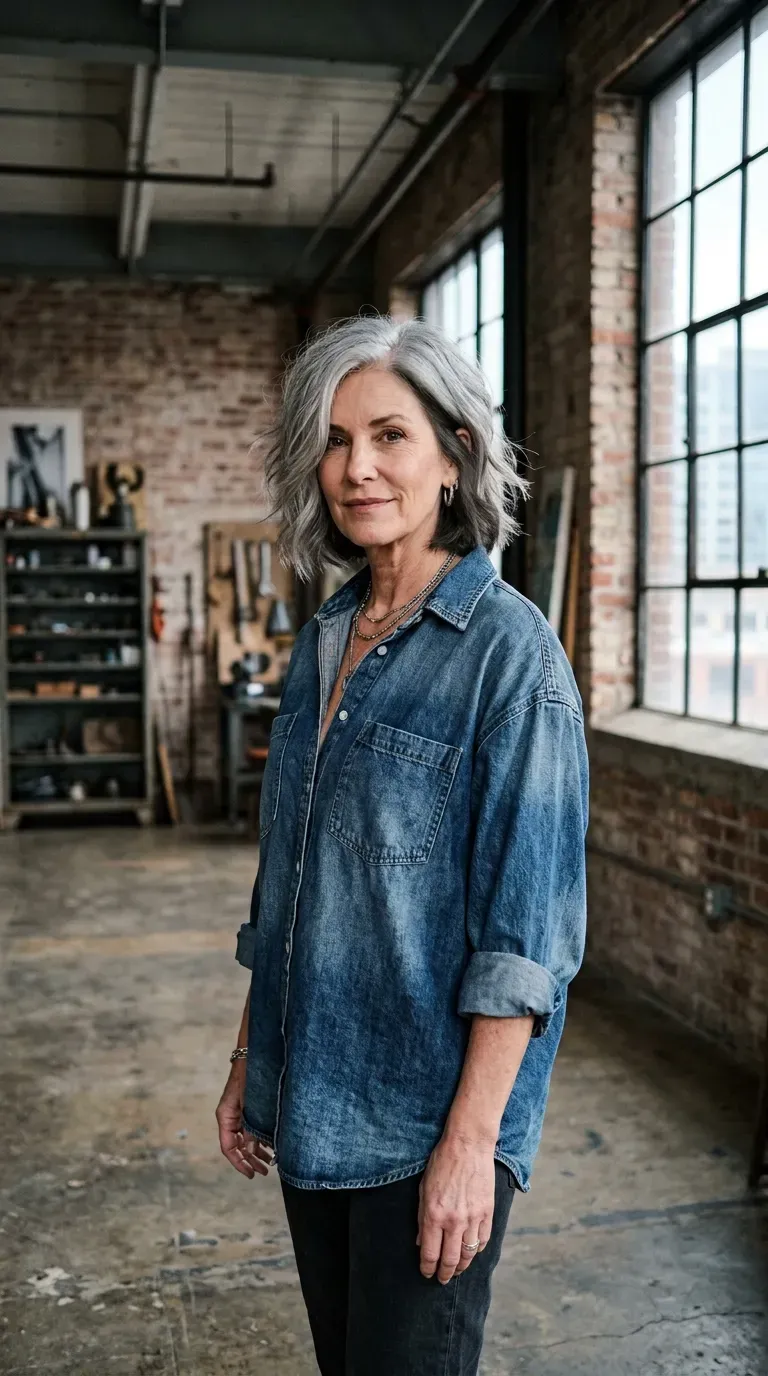
Why it works: Placing a single defined panel of lowlights beneath the crown adds a hidden layer of contrast that shows through when the hair is styled up or lifted. It’s a subtler way to add dimension without changing the visible color from most angles.
Ask for: Ask your colorist for “a single panel of lowlights placed underneath the crown section only.”
20. Gray Hair with Multi-Tonal Lowlights
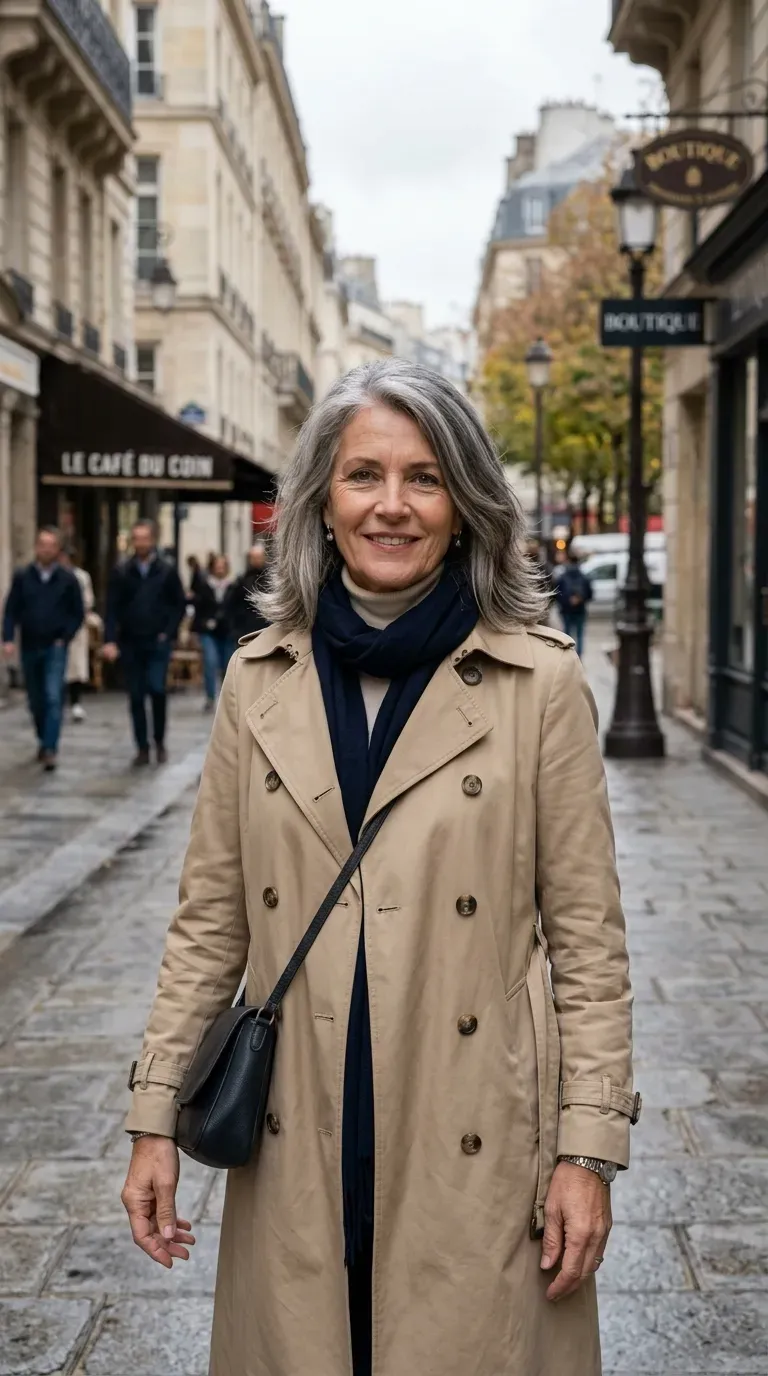
Why it works: Using two or three different lowlight shades rather than just one creates a richer, more multidimensional effect than a single flat tone would. This approach mimics the natural variation found in hair that’s still transitioning to full gray.
Ask for: Ask your colorist for “two or three different lowlight shades blended together rather than a single tone.”
21. Gray Hair with Soft Under-Layer Lowlights
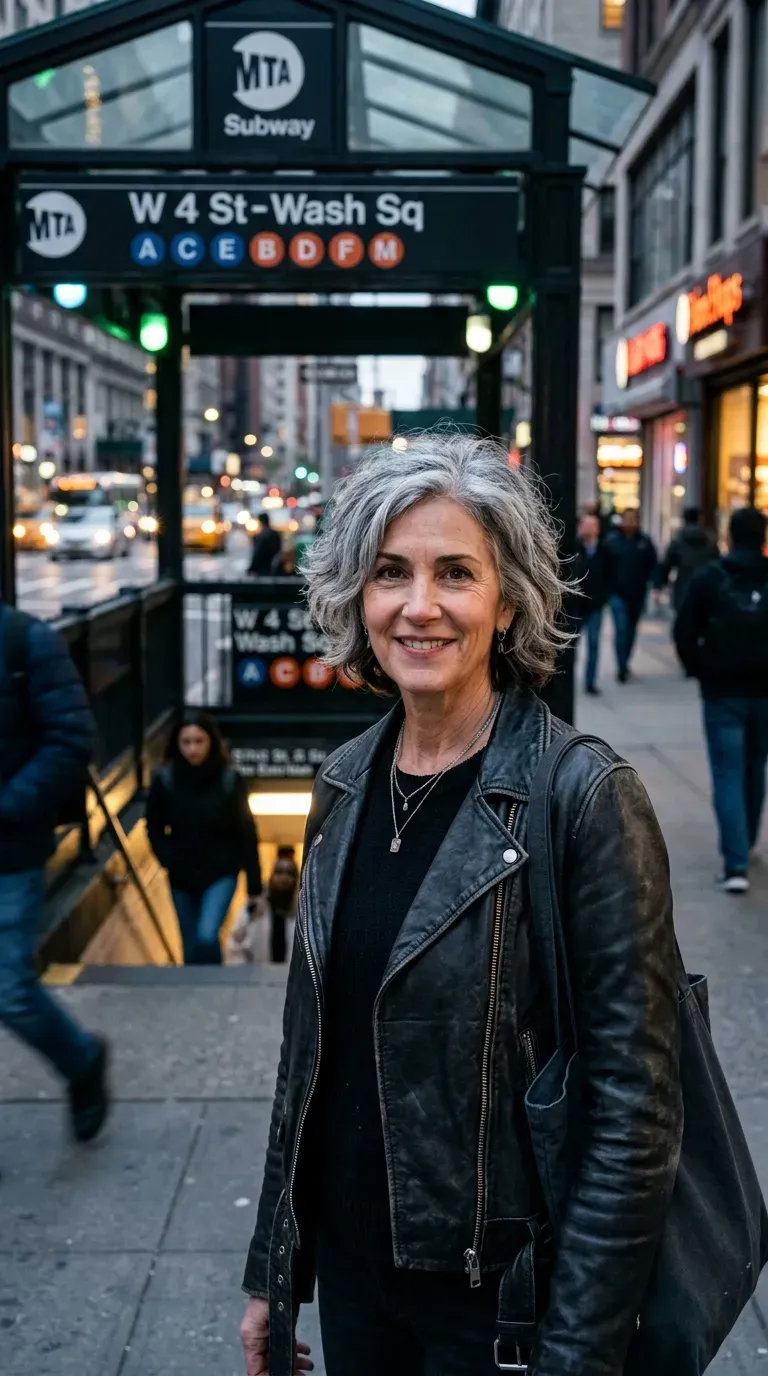
Why it works: Keeping the lowlights soft and concentrated in the under-layer gives depth to the hair without changing the visible top color, which suits those who want a subtler shift. This placement also grows out gracefully since it’s less exposed to sun and washing.
Ask for: Ask your colorist for “soft lowlights kept to the under-layer, leaving the top section untouched.”
22. Gray Hair with Crown Lowlights
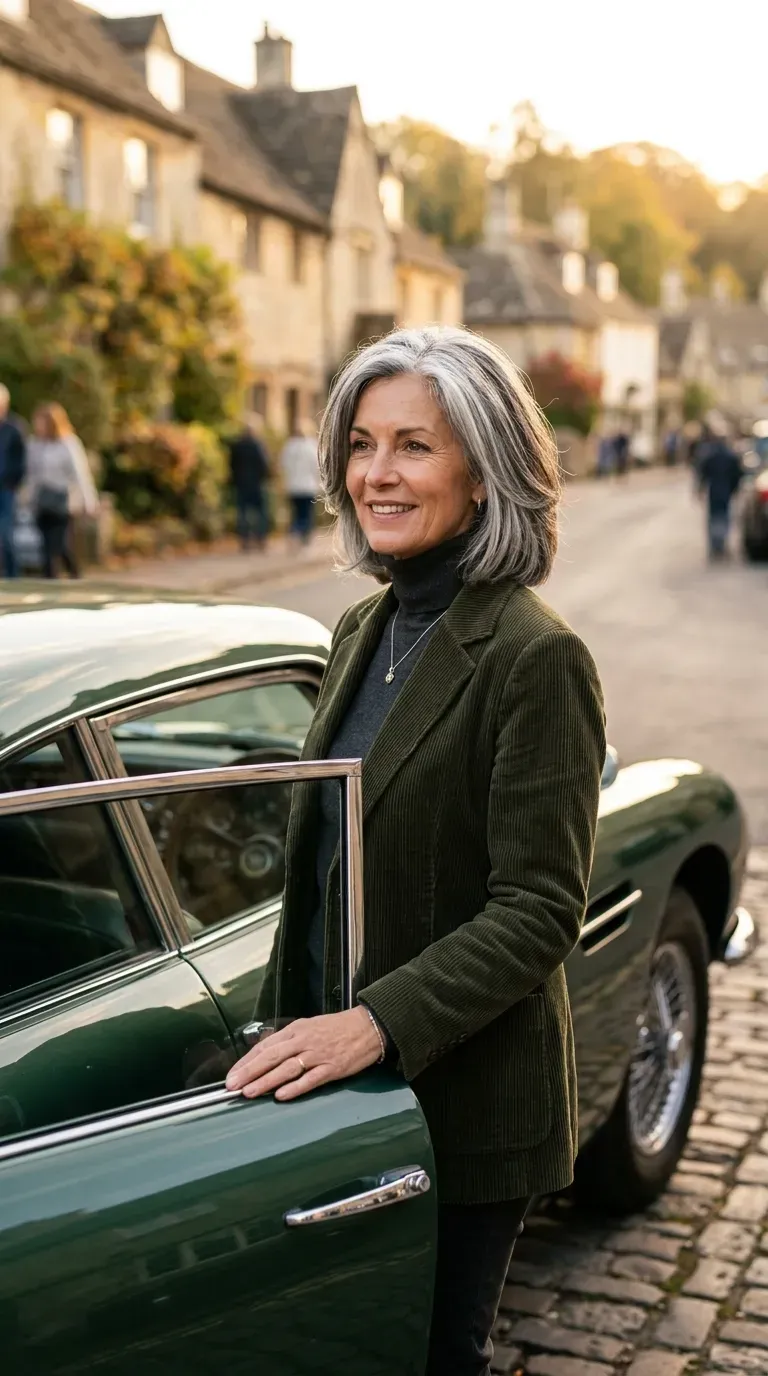
Why it works: Concentrating lowlights at the crown adds visible depth right where the hair is seen most from a standing eye level or in photos taken from above. This targeted placement is efficient, requiring less overall coloring than an all-over application.
Ask for: Ask your colorist for “lowlights concentrated at the crown, tapering off toward the ends.”
23. Gray Hair with Graduated Ombre Lowlights
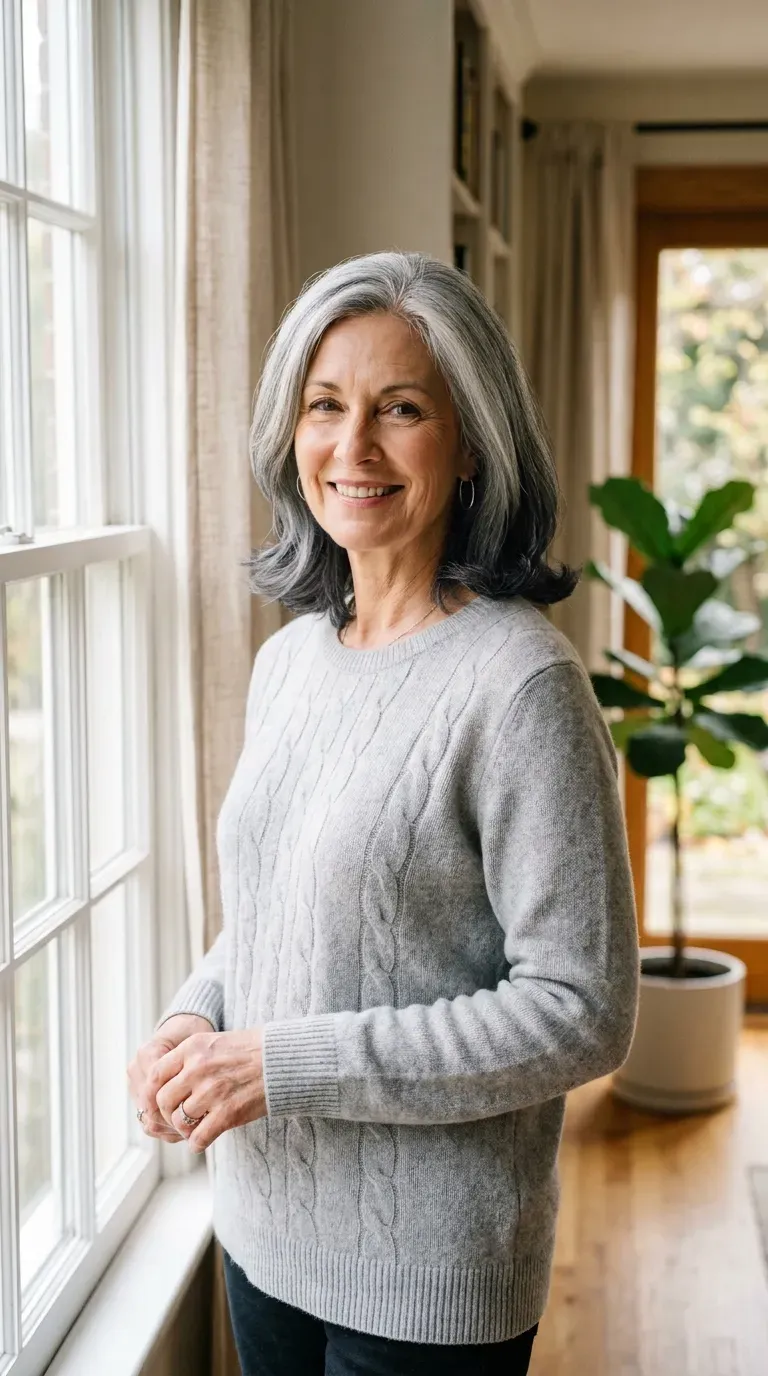
Why it works: Gradually deepening the lowlights from lighter at the root to darker toward the ends creates a soft, sunlit gradient rather than a flat, uniform color. This gives gray hair a dimensional, lived-in quality that mimics how hair naturally lightens and darkens.
Ask for: Ask your colorist for “a graduated lowlight effect, lighter near the root and gradually deeper toward the ends.”
FAQs
What are lowlights, and how are they different from highlights? Lowlights add strands of color that are darker than the surrounding hair, while highlights add lighter strands — on gray hair, lowlights create contrast by weaving in some darker tone rather than lightening any part of the hair further.
How often do gray hair lowlights need to be touched up? It depends on the placement and how fast the hair grows, but soft, root-blended lowlights typically need touch-ups less often than bold, high-contrast sections, since the regrowth line is less noticeable.
Will lowlights make my gray hair look less gray overall? Not necessarily — most lowlight placements are designed to add depth and dimension while keeping gray as the dominant tone, though heavier all-over lowlighting will naturally reduce the amount of visible gray.
Wrap-Up
Lowlights give gray hair the kind of depth and movement that a single flat tone can’t achieve on its own, whether the goal is a subtle enhancement or a bolder contrast. Choose the placement and tone that matches your comfort with maintenance, and talk to your colorist about how the effect will grow out over time.