
A long bob, or lob, promises easy, effortless texture, but fine hair often has other plans — instead of falling into loose, shaggy waves, it can go stringy and flat by midday. That gap between the inspiration photo and your own mirror is one of the most common frustrations with this cut.
The trick is choppy, well-placed layers that give fine hair something to grab onto, rather than one smooth, uniform length that has nothing to hold shape. Here are 27 shaggy lob hairstyles built specifically for fine hair, each one designed to bring real texture and volume into a length you can keep for the long haul.
1. Classic Choppy Shag Lob
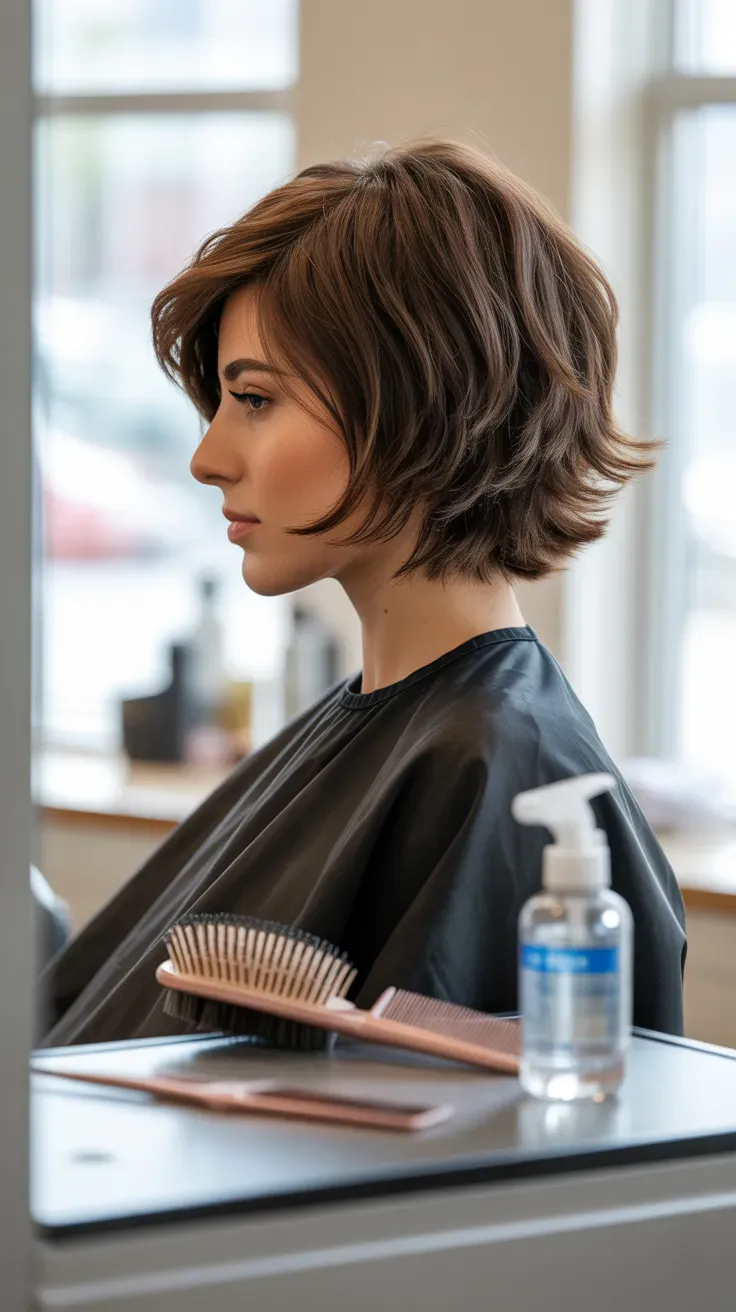
Why it works: Choppy, disconnected layers break up flat sections at the crown, tricking the eye into seeing more density than fine hair actually has. The shag texture also gives the length something to hold onto, instead of falling into one heavy, stringy sheet.
Ask for: Tell your stylist you want “point-cut, choppy layers concentrated at the crown and ends, not blended smooth.”
2. Voluminous Crown Shag Lob
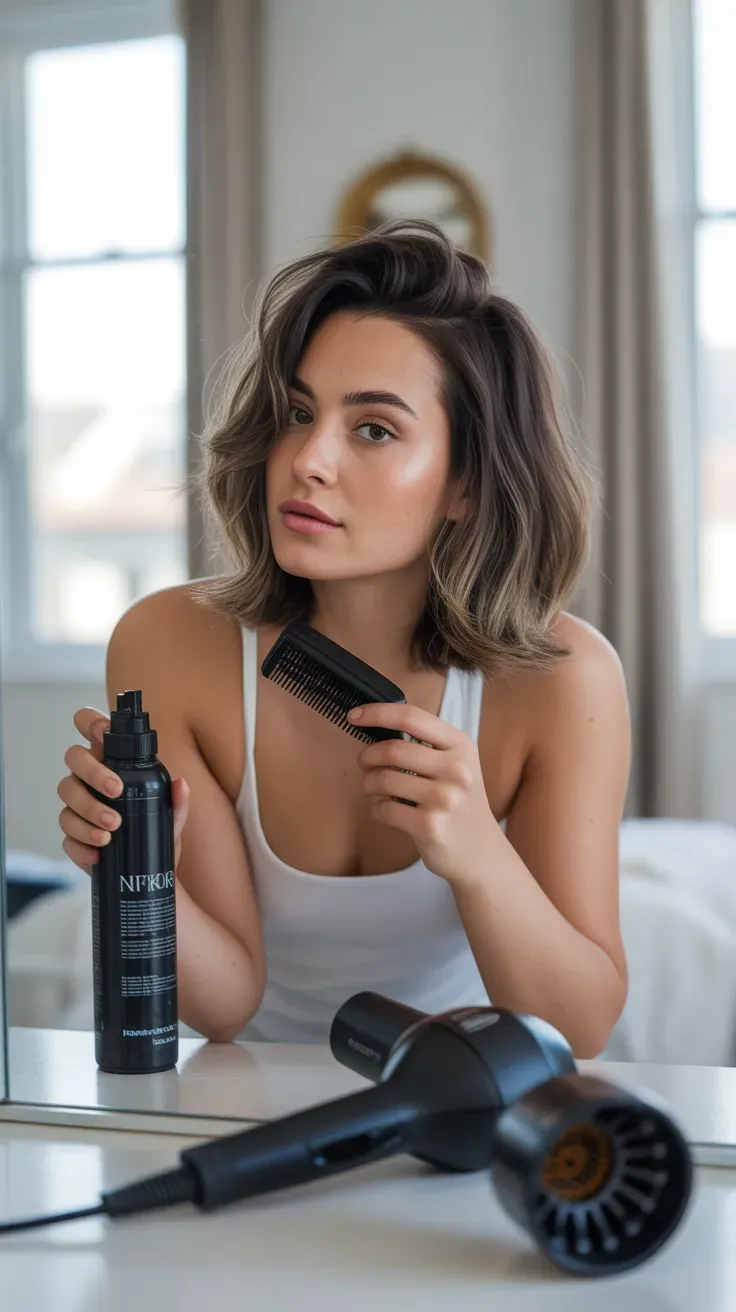
Why it works: Short layers concentrated only at the crown lift the roots and build height exactly where fine hair falls flattest first, without thinning out the rest of the length. This creates fuller-looking hair from the very first section.
Ask for: Ask your stylist to “point-cut short layers only at the crown, leave length longer toward the perimeter.”
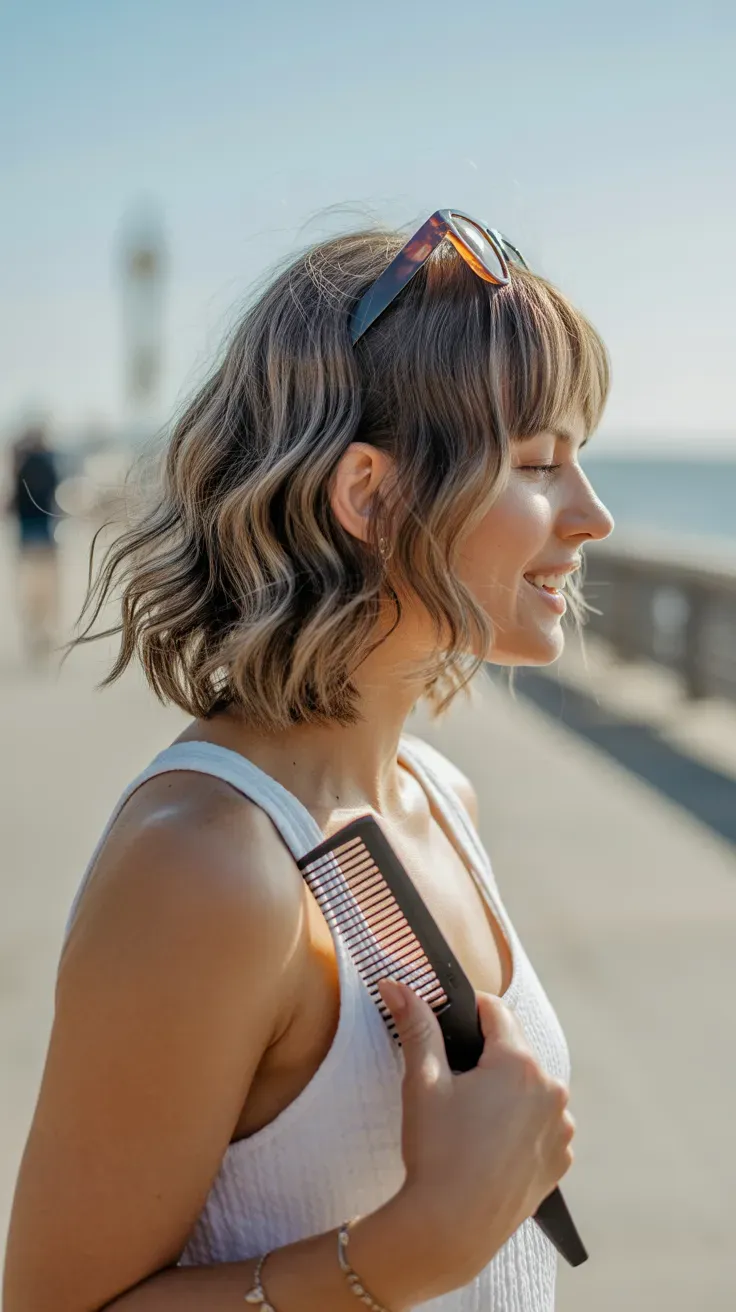
3. Shag Lob with Curtain Bangs
Why it works: Wispy curtain bangs blended into the shag layers give the illusion of more density right at the hairline, which is often the first place thinning becomes noticeable. The soft fringe also draws attention across the face instead of straight down.
Ask for: Ask for “curtain bangs cut on a diagonal, blended into the front layers, not cut straight across.”
4. Wavy Shag Lob
Why it works: Layering a lob into soft waves lets each section move and catch the light differently, which adds visible thickness that a single-length cut can’t offer fine hair. It’s also naturally low-maintenance since the waves do most of the styling work.
Ask for: Ask for “layers cut to encourage natural wave, styled air-dried with a texturizing spray.”
5. Blunt-Ended Shag Lob
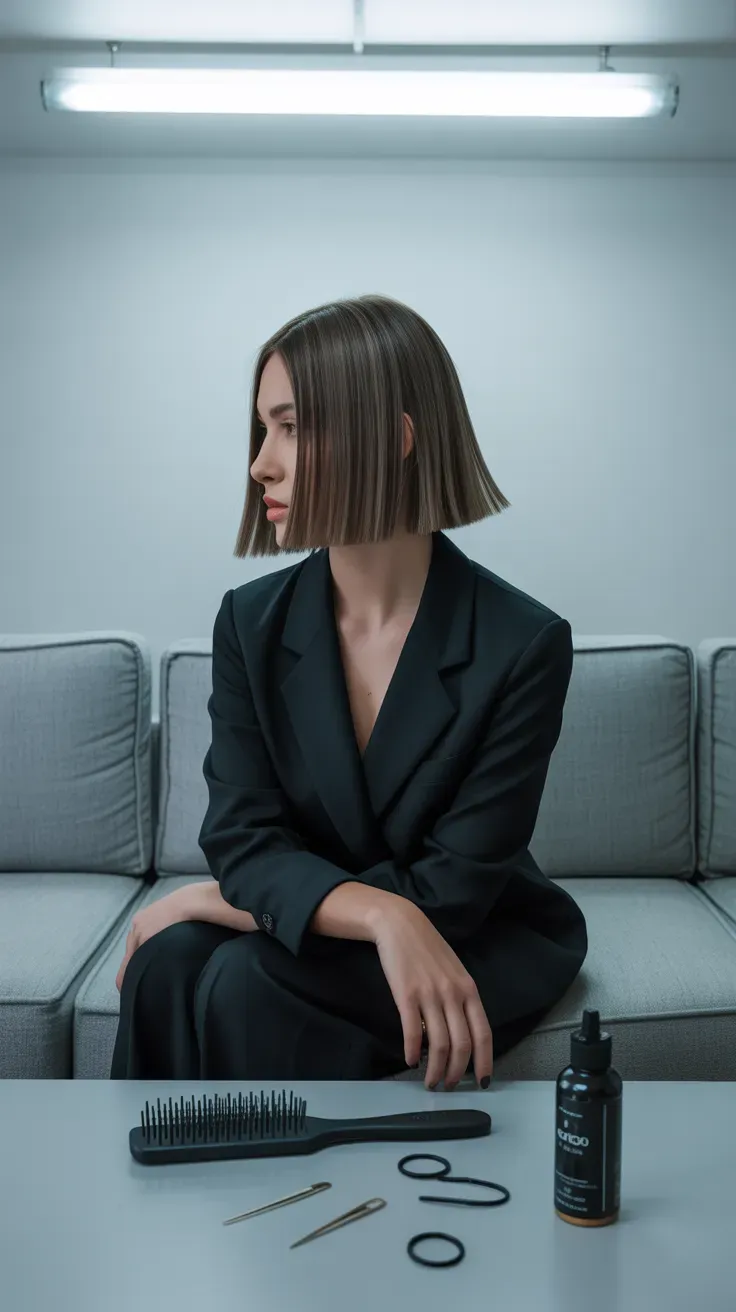
Why it works: Keeping the outer perimeter blunt while shagging the layers underneath gives fine hair a thicker-looking edge, since fully layering fine ends can sometimes make them look sparser. This balance is one of the fastest ways to fake density without losing shape.
Ask for: Say “a blunt outer line with internal shag layering only, no texturizing on the outermost ends.”
6. Shag Lob with Deep Side Part
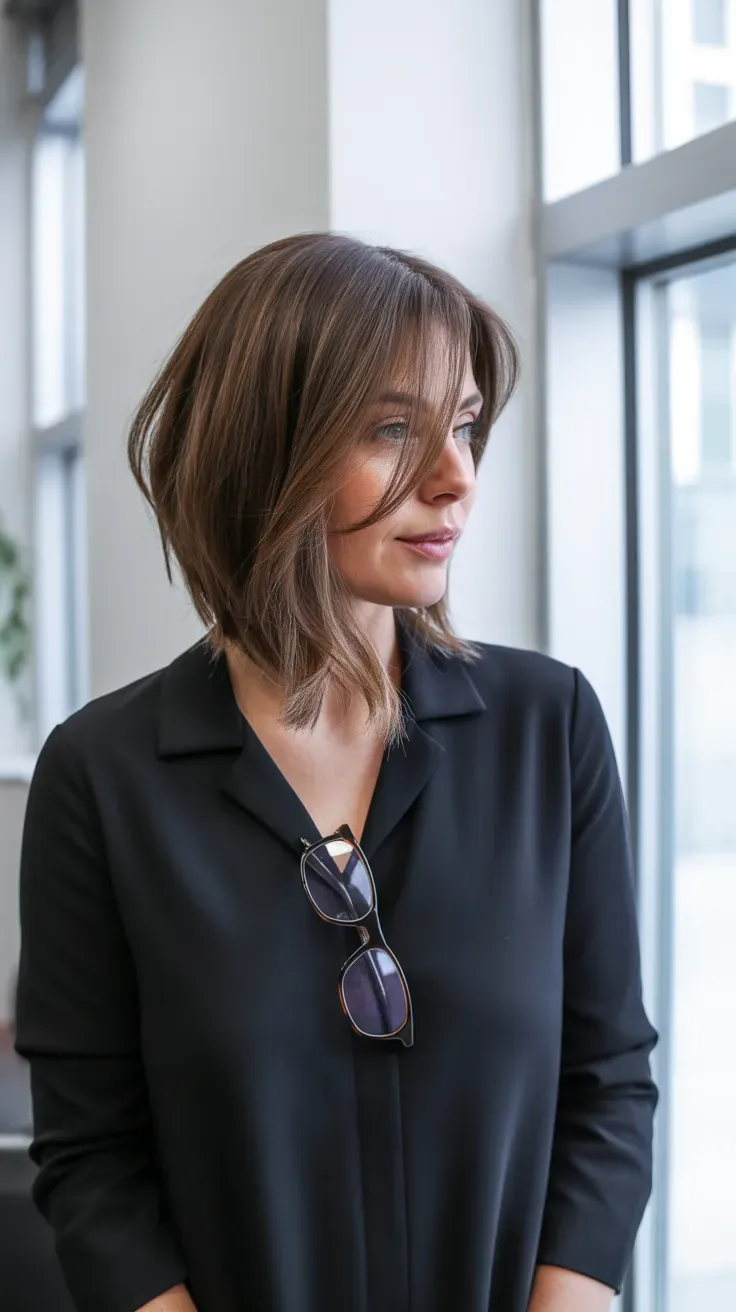
Why it works: Shifting the part deep to one side naturally covers any visible thinning right at the crown where a center part would expose it, while the shag layers add instant movement. It’s a quick, low-effort way to refresh the whole look.
Ask for: Ask for “a deep side part with shag layers cut to sweep naturally in that direction.”
7. Curly Shag Lob
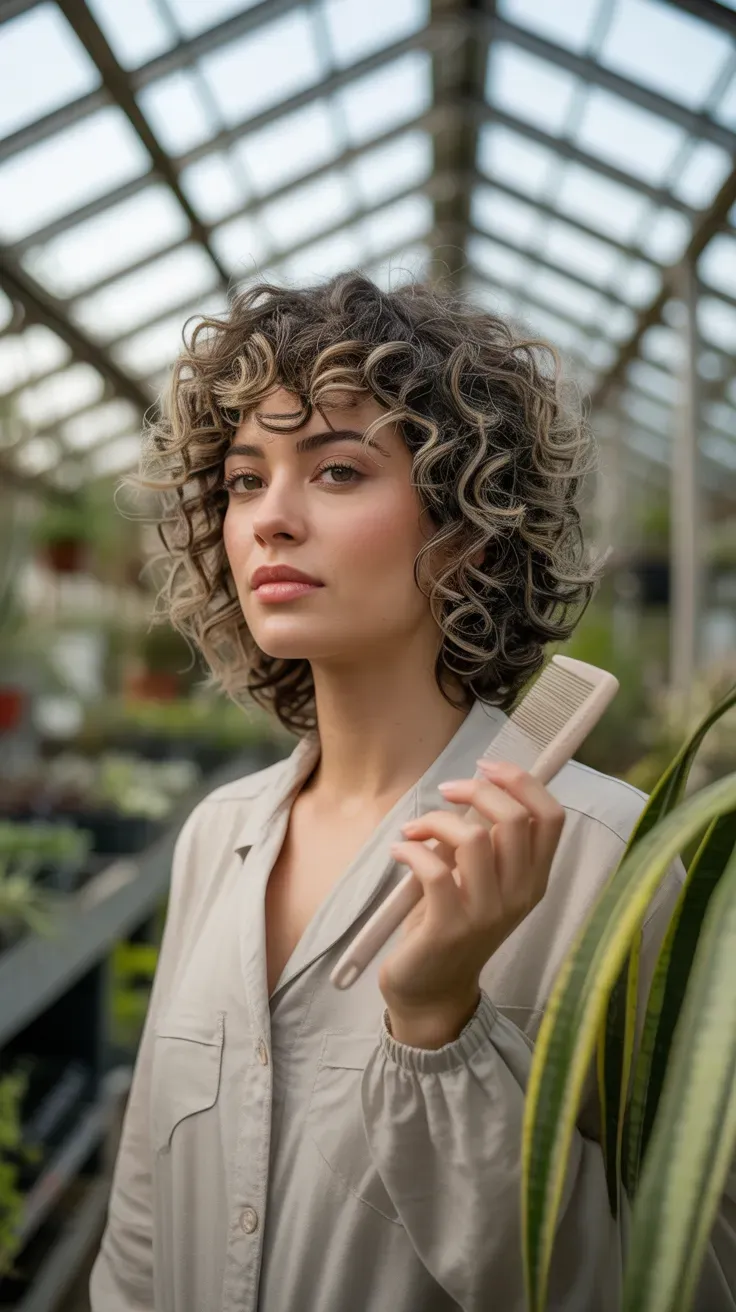
Why it works: Shag layering fine curly hair lets each curl spring independently, which builds visible volume instead of weighing curls into a flat, heavy shape. This is ideal for fine curls that have lost some density and struggle to hold their pattern.
Ask for: Ask your stylist to “layer while curls are dry and in their natural pattern, not cut wet and straight.”
8. Shag Lob with Root Volume Blowout
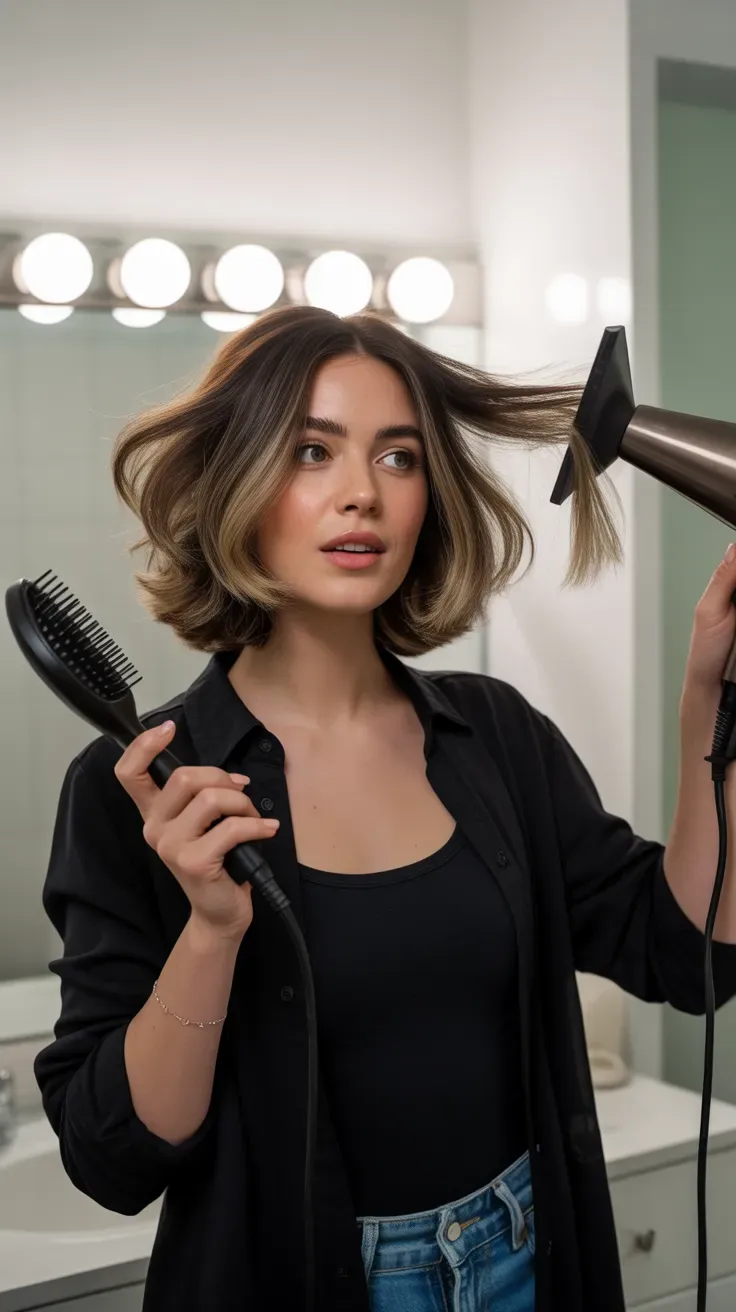
Why it works: This is more a styling technique than a cut, but paired with a shag lob it maximizes root lift so the whole style reads fuller from the very first inch of hair. It’s a great option when you want extra volume for a special occasion.
Ask for: At home, “blow-dry roots upward and away from the scalp using a round brush before letting the ends fall naturally.”
9. Shag Lob with Subtle Lowlights
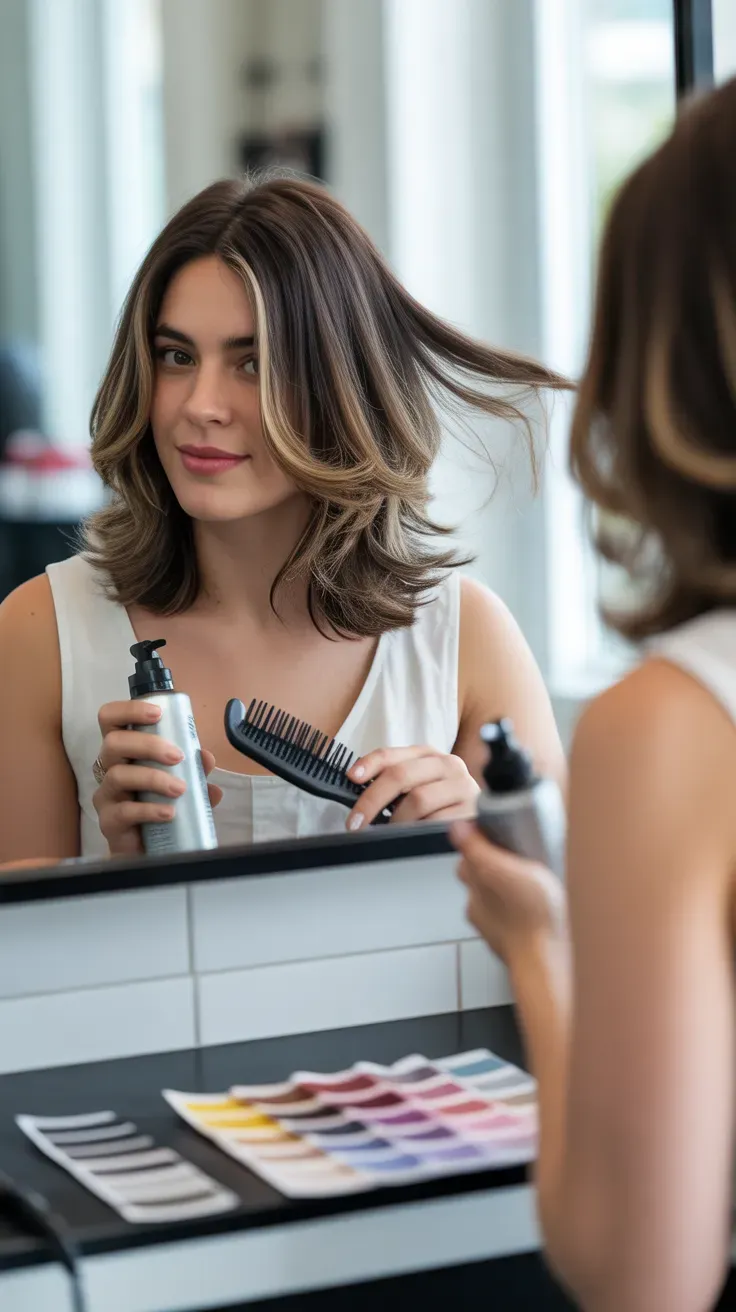
Why it works: Woven lowlights add subtle shadow and depth between the shag layers, which makes fine hair appear noticeably thicker in photos and in person. The tonal variation also softens any harsh regrowth line over time.
Ask for: Ask for “fine, low-maintenance lowlights placed only within the shag layers, not all over.”
10. Undercut Shag Lob
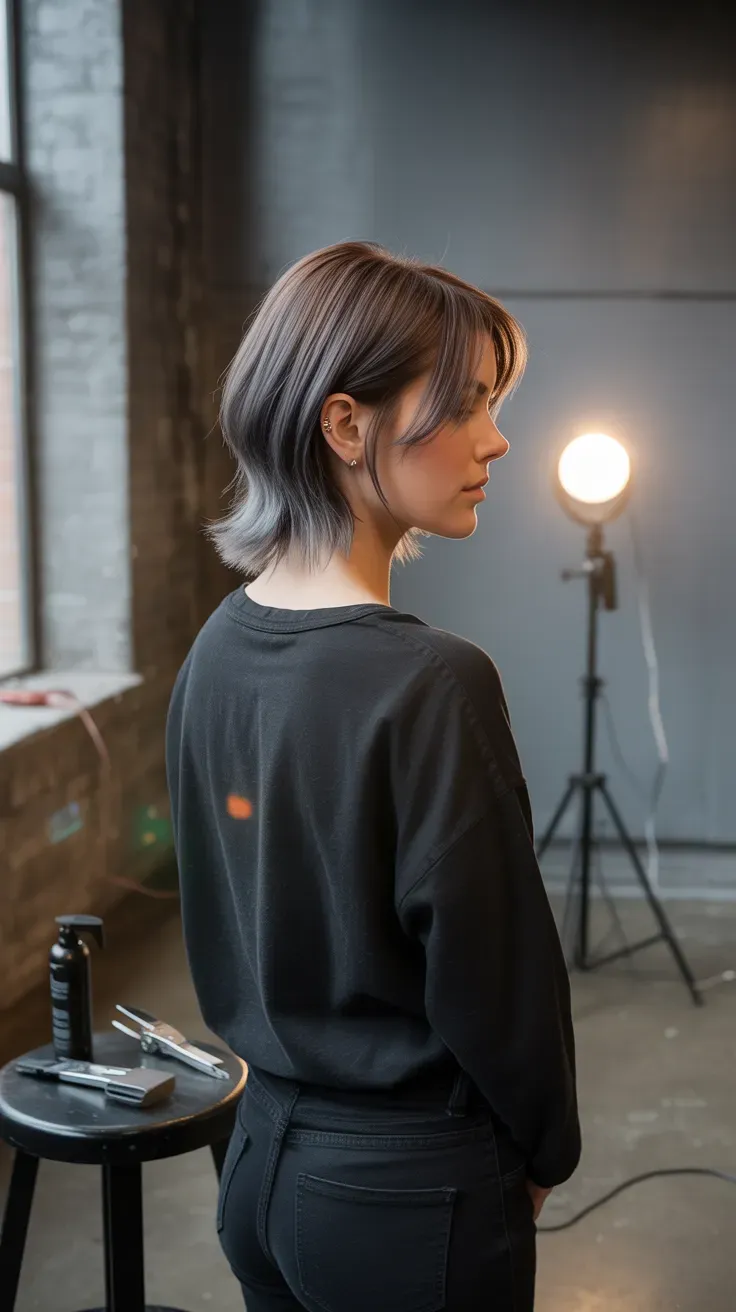
Why it works: Removing bulk at the nape with a subtle undercut lightens the overall weight of fine hair, letting the shag layers on top hold more lift and shape throughout the day. It’s a bolder but genuinely low-maintenance way to add edge.
Ask for: Ask your stylist for “a soft, short undercut at the nape only, blended under the longer shag layers.”
11. Face-Framing Shag Lob
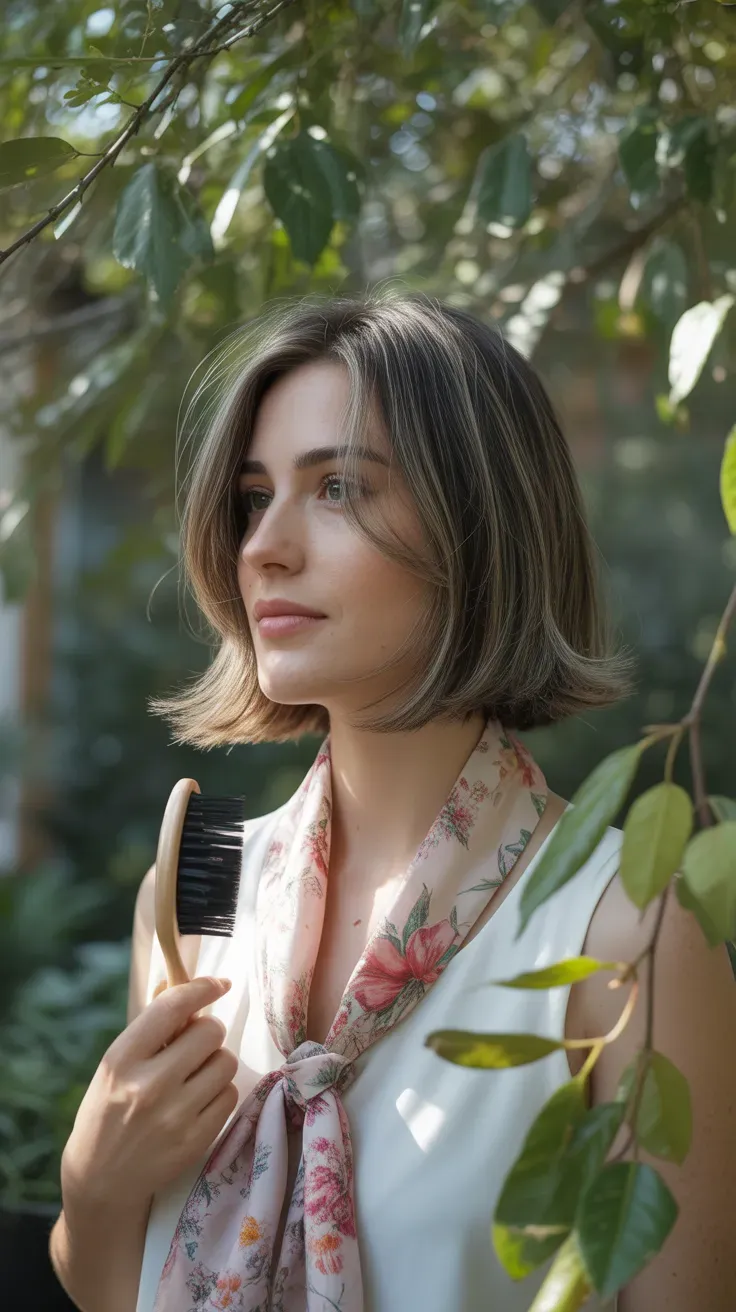
Why it works: Soft shag layers angled toward the cheeks gently frame the lower face without removing too much overall weight from the rest of the length, which keeps fine hair from looking sparser at the ends. It’s a subtle way to add shape while preserving density.
Ask for: Ask for “face-framing layers cut on a slight diagonal, starting just below the cheekbone, minimal layering elsewhere.”
12. Asymmetrical Shag Lob
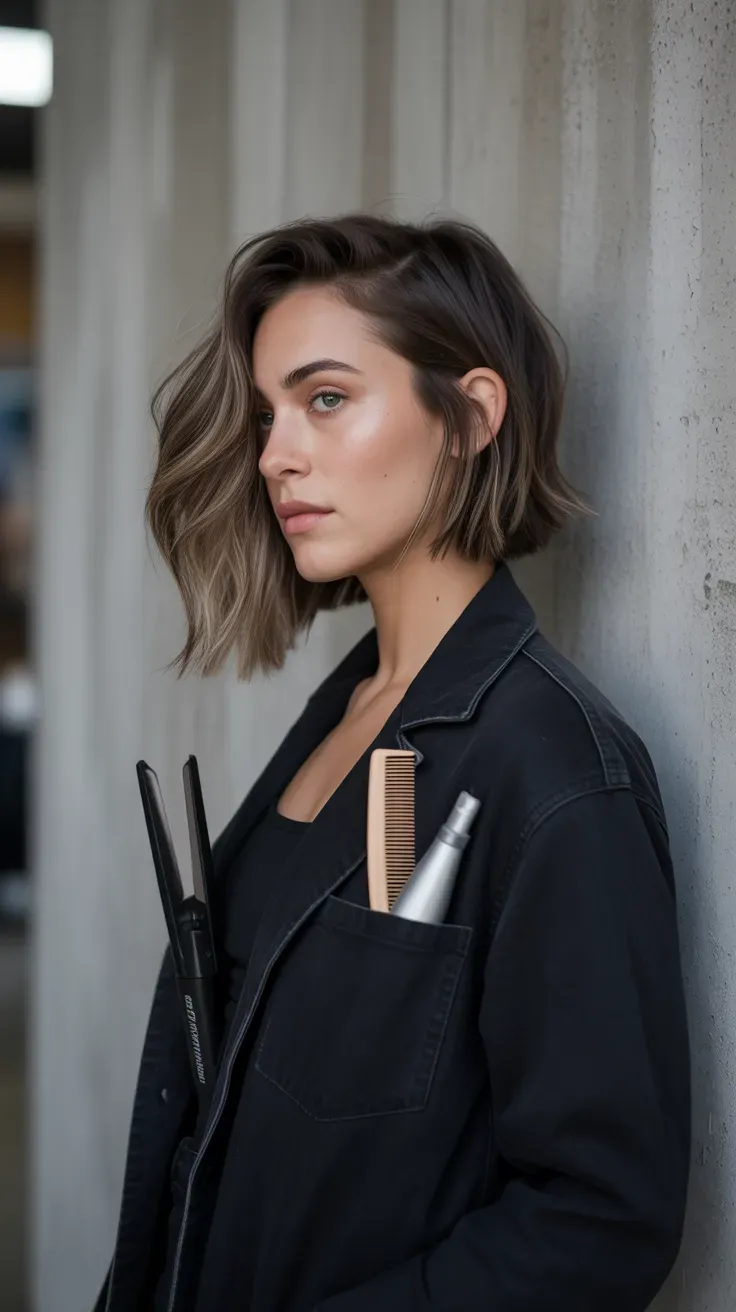
Why it works: An asymmetrical line draws the eye diagonally across the face instead of straight down, which is a flattering trick for a square or round face shape as it softens strong angles. The uneven shag layers also disguise thinning on one side without looking lopsided.
Ask for: Ask for “one side cut shorter with choppy shag layers, keeping the longer side softly blended.”
13. Shag Lob with Micro Bangs
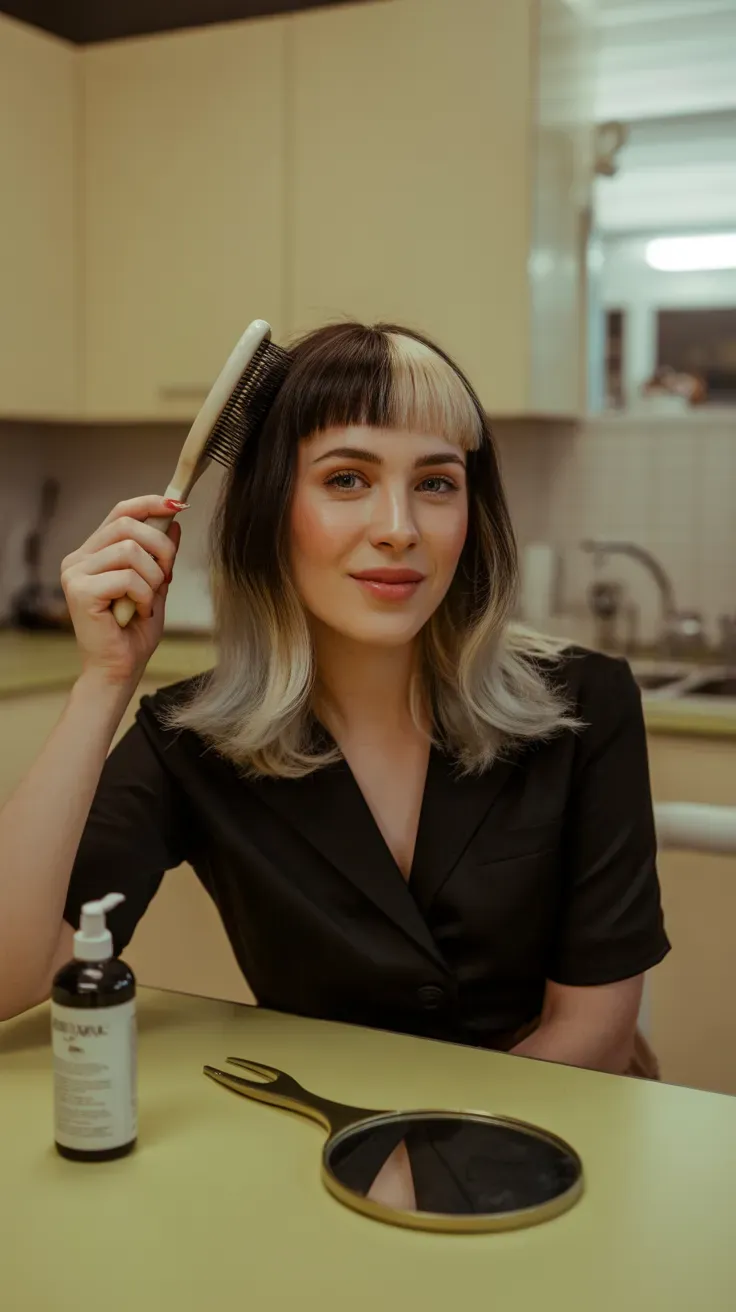
Why it works: Short micro bangs draw the eye up and away from the rest of the hairline, offering a youthful, playful focal point that distracts from finer density elsewhere. Paired with shag layers, the whole look avoids feeling heavy or overdone.
Ask for: Ask for “bangs cut above the brow bone, point-cut for a soft, uneven edge.”
14. Sleek Straight Shag Lob
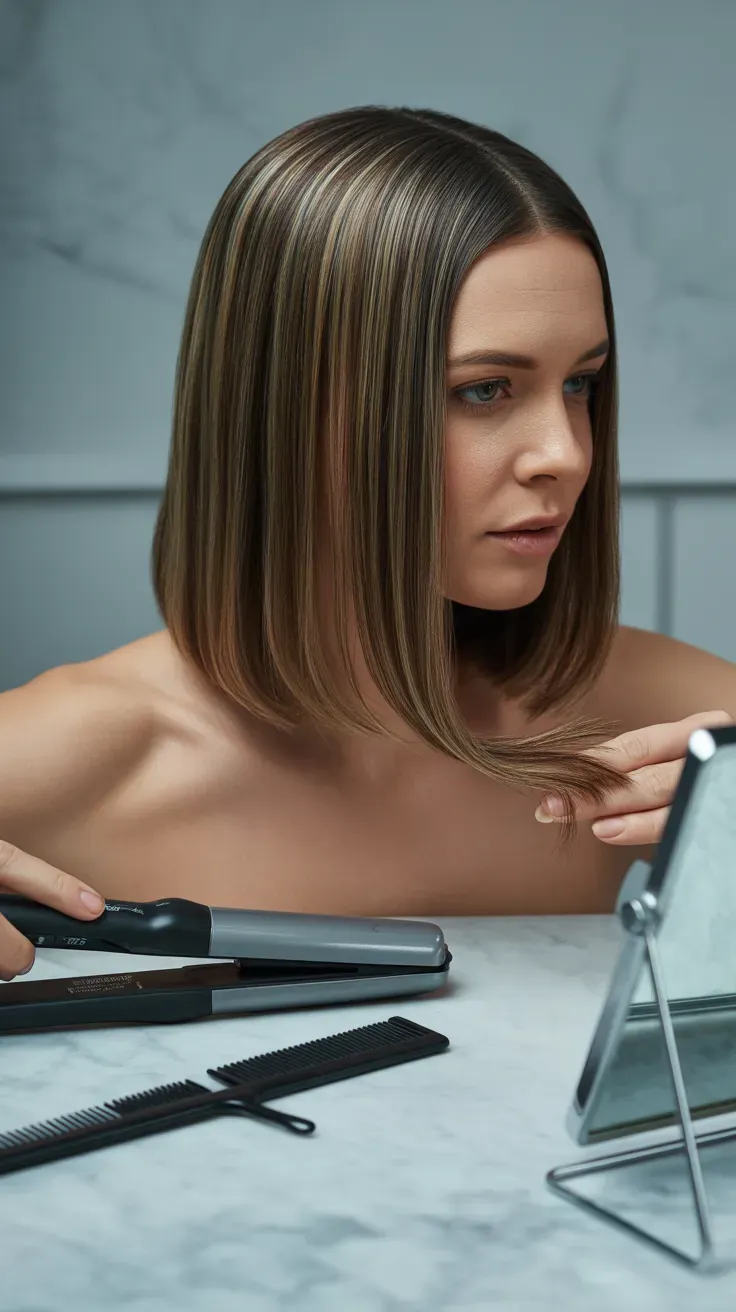
Why it works: Flat-ironing shag layers into a sleek finish still preserves inner volume while giving a polished, professional look for the office. It proves that a shag doesn’t have to mean loose or undone texture on fine hair.
Ask for: Ask for “layers straightened with a flat iron using a small paddle brush for smoothness at the roots.”
15. Piecey Textured Shag Lob
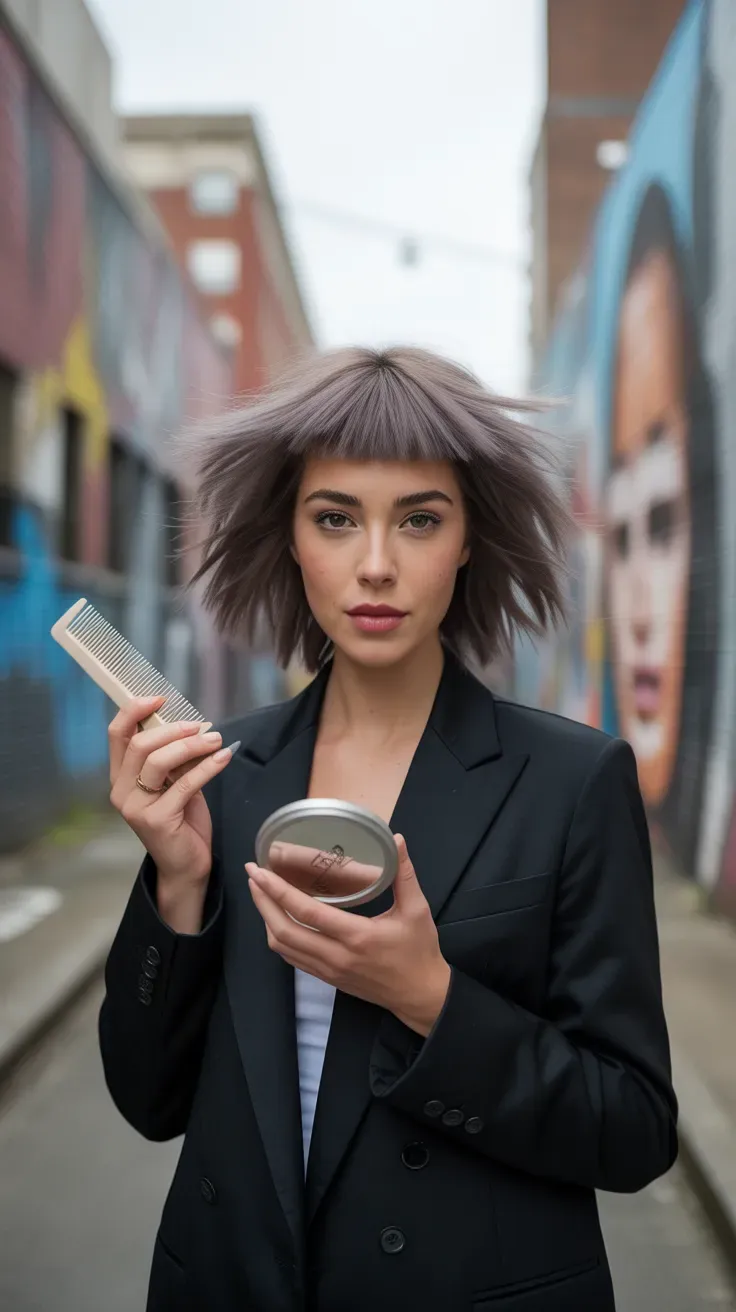
Why it works: Separating shag layers into defined pieces creates visual texture and dimension that reads as thicker hair, even on very fine strands. The lob length also keeps daily styling manageable for busy mornings.
Ask for: Ask for “shag layers finished with a matte wax, worked piece by piece with fingertips.”
16. Shag Lob with Undercut Sides
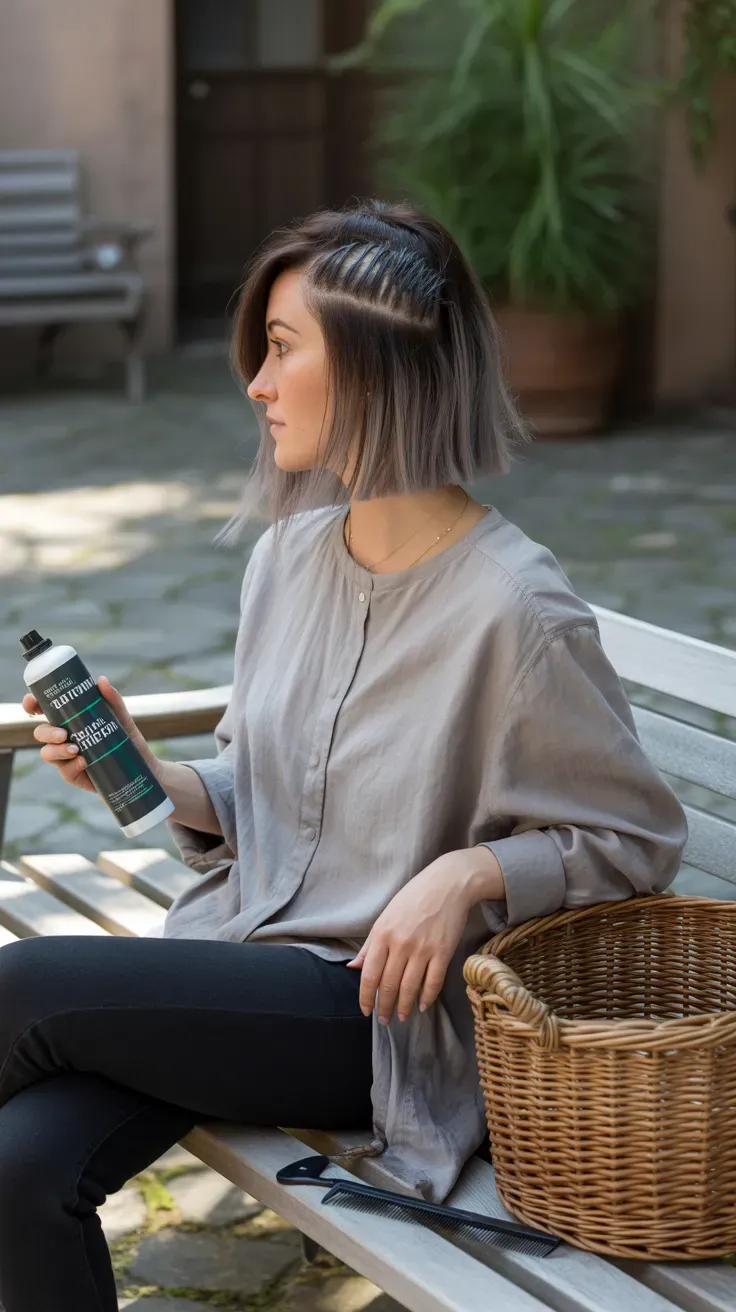
Why it works: A soft, gradually faded undercut is less dramatic than a fully shaved side, making it approachable for anyone wanting the lightness of an undercut without a stark contrast. The faded sides also make the shag layers on top look fuller by comparison.
Ask for: Ask for “a gradual faded undercut rather than a hard shaved line, blended into the shag layers on top.”
17. French Girl Shag Lob
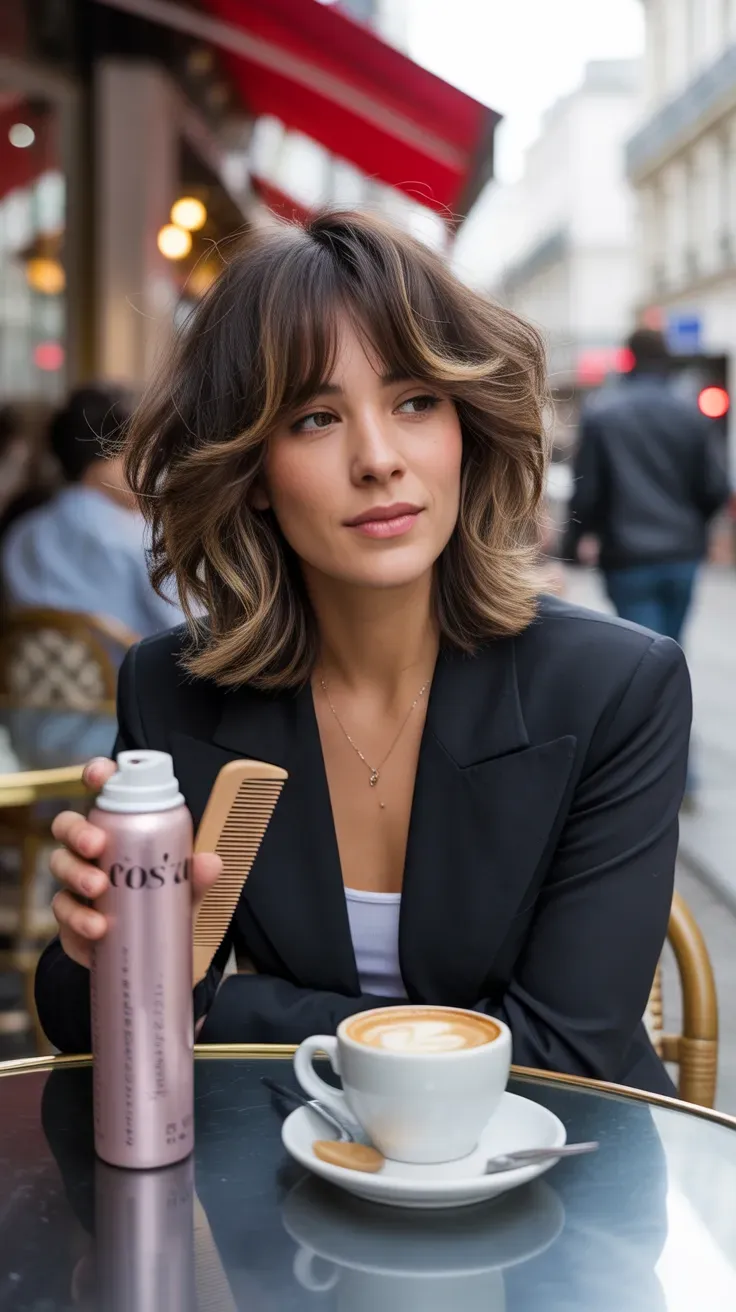
Why it works: This shag leans into deliberately undone texture rather than polished curls, which suits fine hair that struggles to hold a set style anyway. The relaxed layers also soften the whole face without ever looking overly styled.
Ask for: Ask for “dry-cut shag layers styled with a texturizing spray only, no round brush needed.”
18. Wolf-Inspired Shag Lob
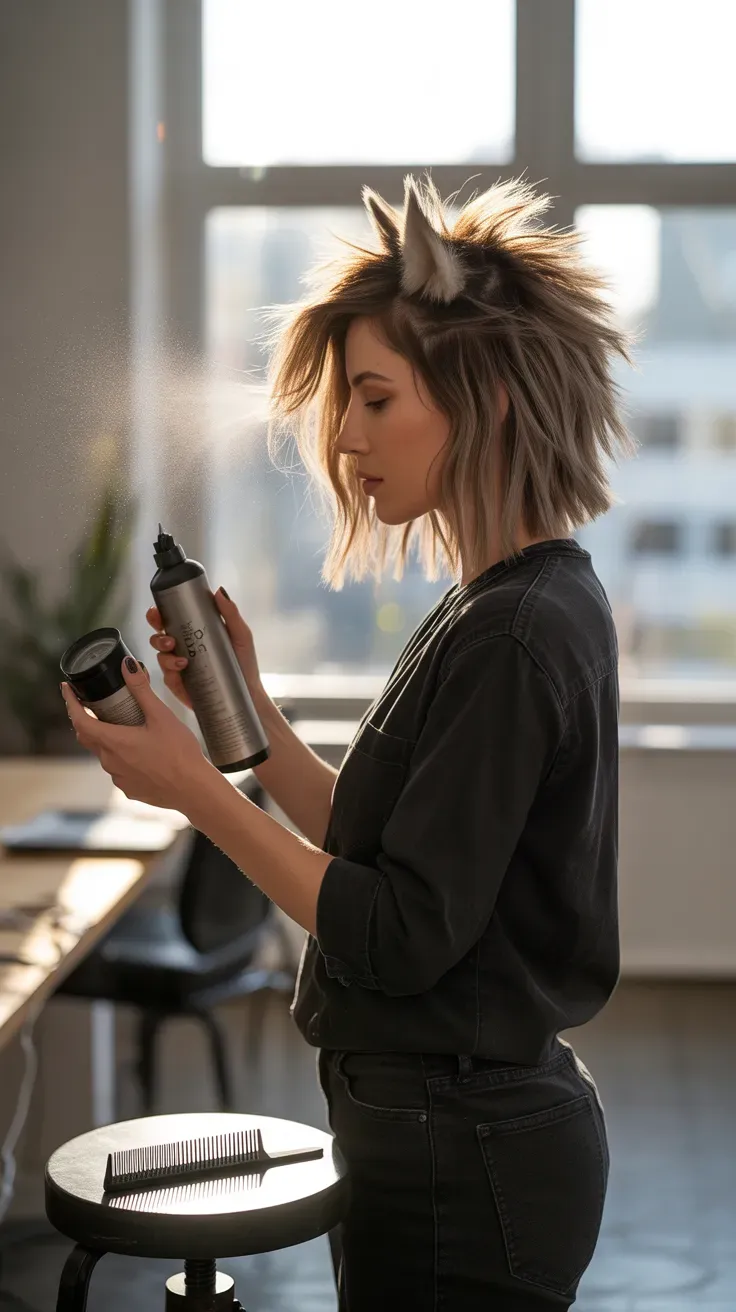
Why it works: The mullet-meets-shag shape adds noticeable height and spikiness at the crown, which counters the flatness that often comes with thinning hair on top. Its irregular layers also give a modern edge that reads younger without looking forced.
Ask for: Ask for “short, disconnected layers on top blending into the lob length at the ends, wolf-cut style.”
19. Shag Lob with Curtain Fringe
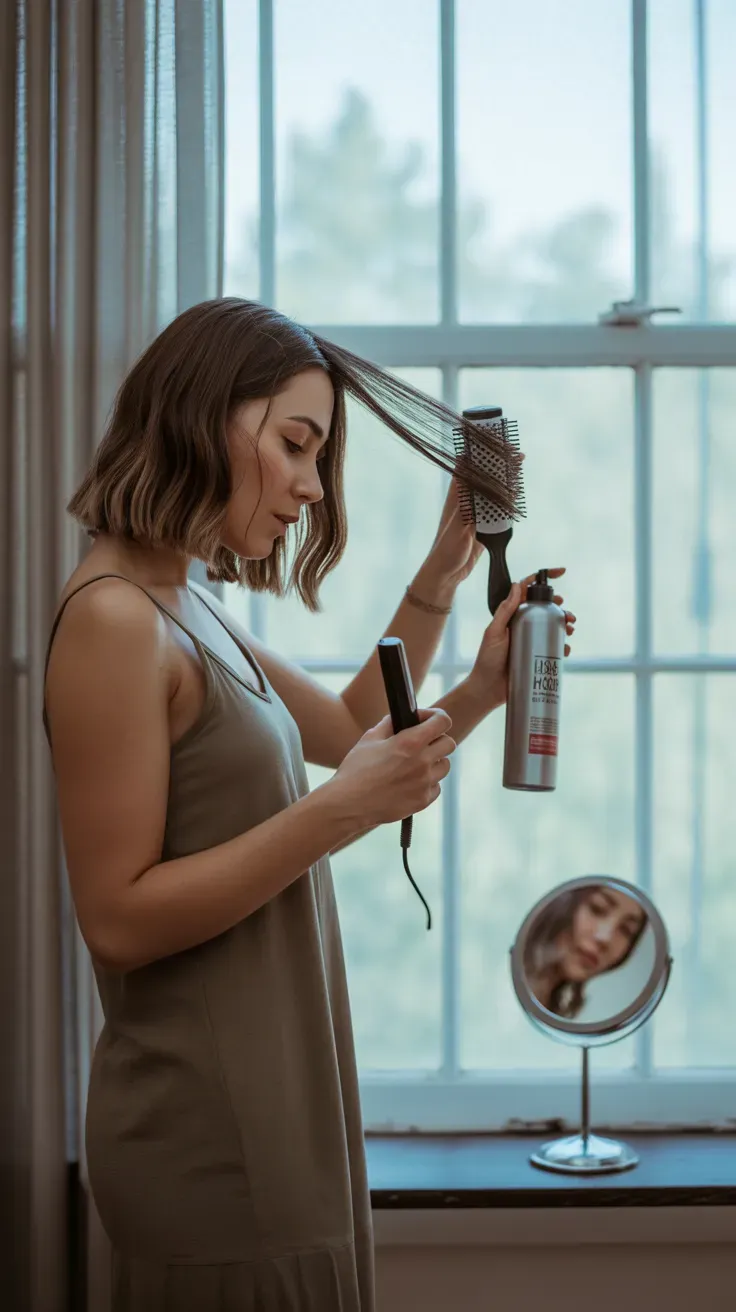
Why it works: Center-parted curtain fringe frames both sides of the face evenly, which flatters most face shapes without adding bulk. Blended into the shag layers, it never feels like a separate, high-maintenance section to style.
Ask for: Ask for “fringe parted down the middle and blended into the shag layers, no hard line.”
20. Shag Lob with Subtle Highlights
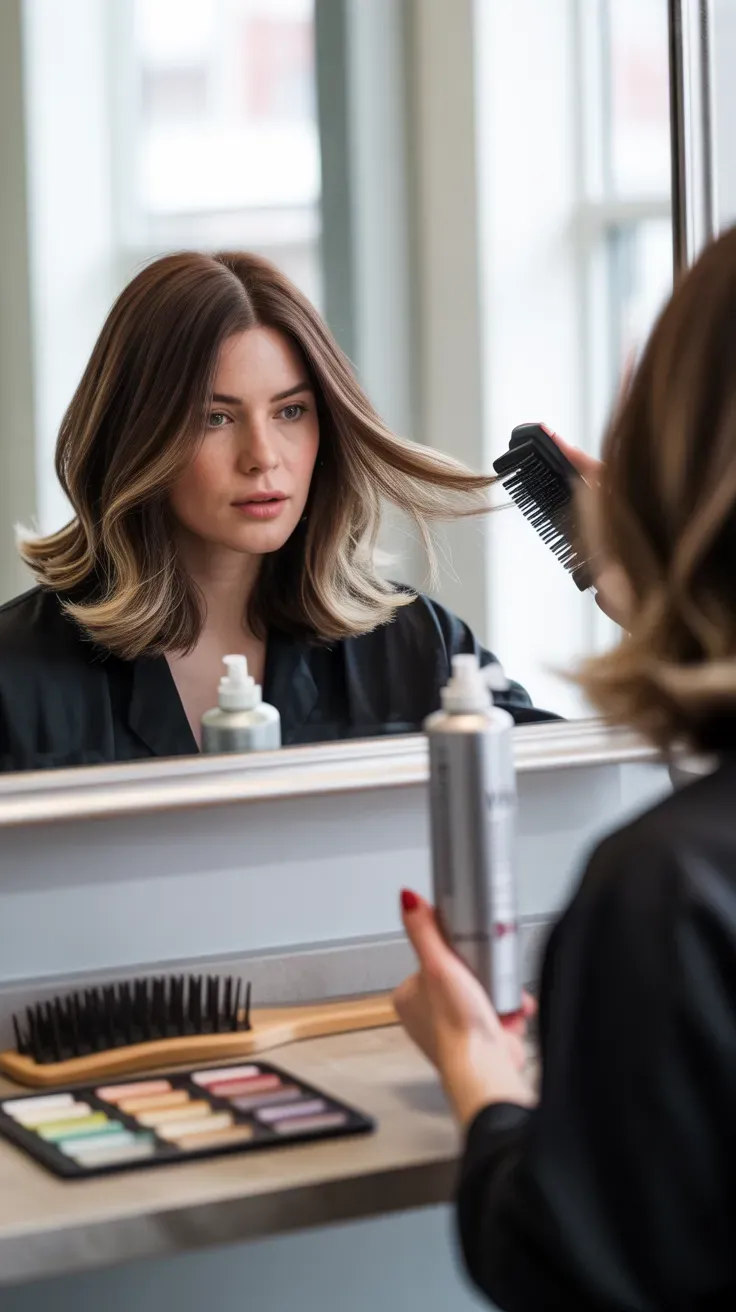
Why it works: A few woven highlights catch the light differently at the tip of each shag layer, adding dimension that makes the whole style look fuller and more dynamic. The subtlety keeps it low-maintenance since regrowth is barely noticeable.
Ask for: Ask for “fine highlights placed only at the tips of the shag layers, not all over.”
21. Shag Lob with Face-Slimming Layers
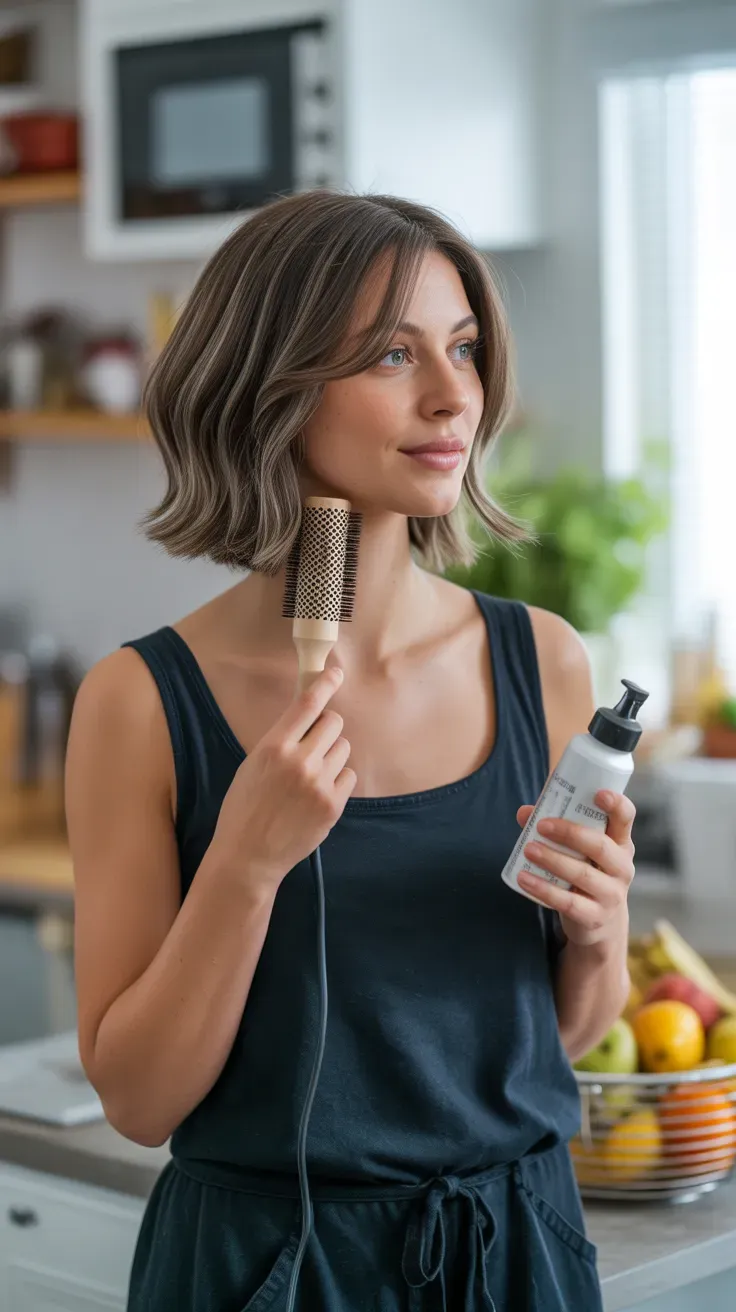
Why it works: Shag layers cut closer to the face rather than flaring outward create a narrowing effect that’s flattering for a rounder face shape. Combined with volume on top, the whole silhouette stays balanced rather than top-heavy on fine hair.
Ask for: Ask for “shag layers hugging the cheekbone and jaw, kept close rather than flared out.”
22. Shag Lob with Natural Air-Dry Waves
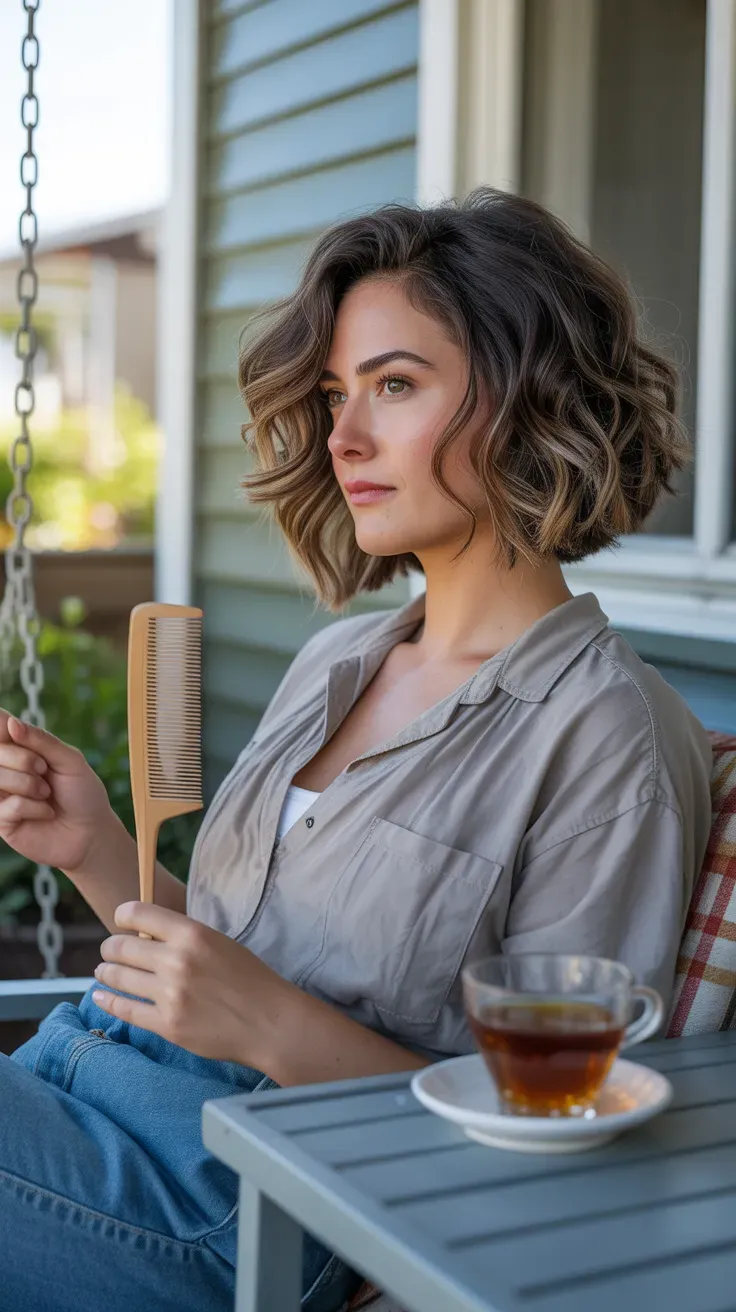
Why it works: Letting shag layers air-dry into their natural wave pattern keeps styling effortless while still building texture and the appearance of volume. It’s the lowest-maintenance option on this list for anyone who wants great hair without a daily routine.
Ask for: At home, “scrunch in a lightweight curl-enhancing cream while hair is damp and let it air-dry undisturbed.”
23. Shag Lob with Razored Ends

Why it works: Razoring the ends instead of blunt-cutting them removes weight and creates a soft, feathery finish that keeps fine hair from looking stiff or overly structured. This texture also holds curl and wave better between wash days.
Ask for: Ask for “ends finished with a razor rather than shears for a soft, textured edge.”
24. Shag Lob with Blunt Bangs
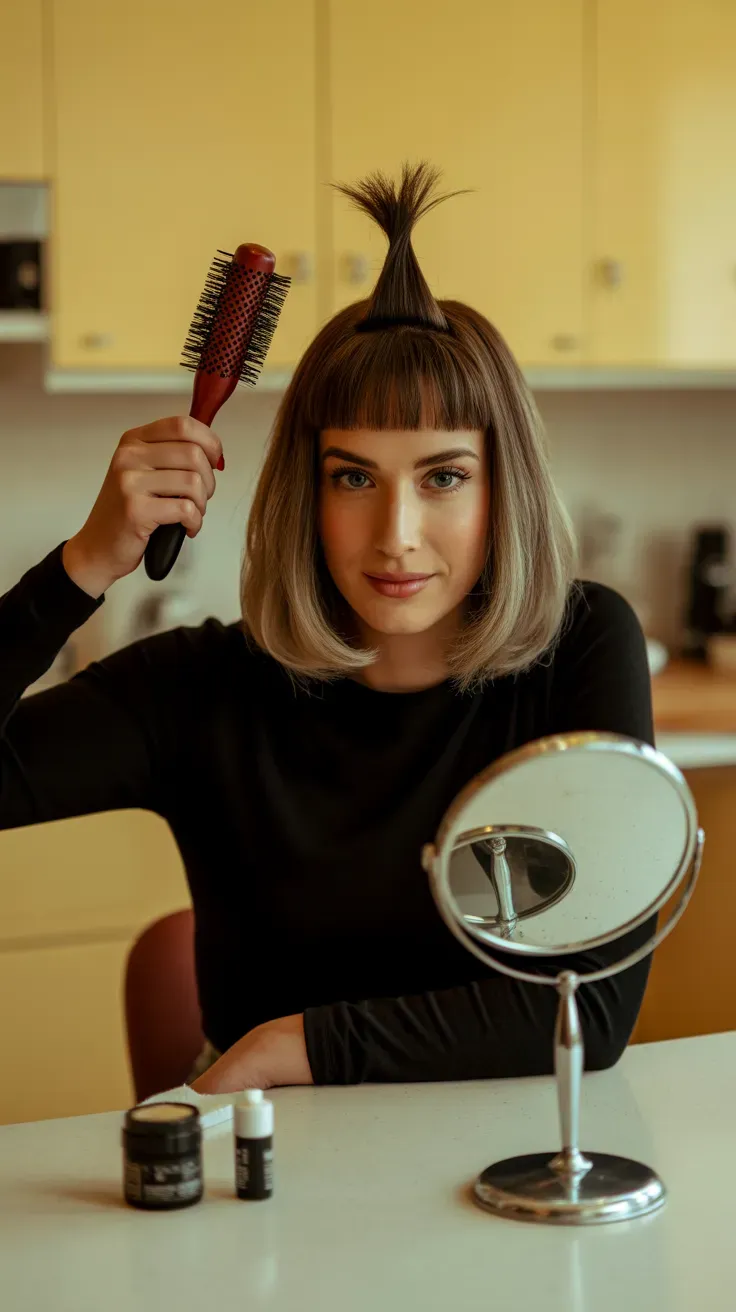
Why it works: A blunt, straight-across fringe adds visible density right at the front hairline, where thinning is often most noticeable, while contrasting nicely with the looser shag layers behind it. The graphic line also gives the whole style a confident, structured focal point.
Ask for: Ask for “a blunt fringe cut straight across the brow, kept separate from the shag layers behind it.”
25. Rounded Shag Lob
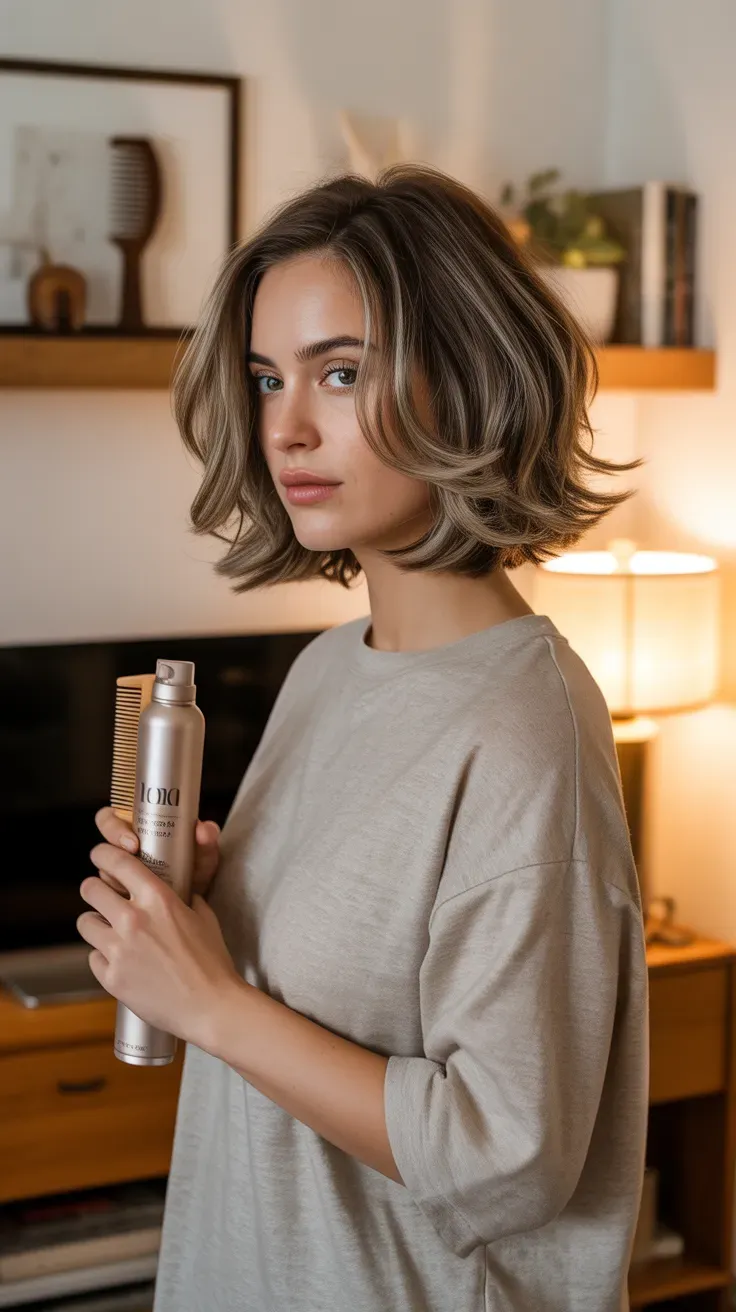
Why it works: The rounded outer shape balances an angular jawline while shag layers underneath keep the silhouette from looking heavy or helmet-like on fine hair. It’s a gentle, classic option for those wanting subtle rather than dramatic change.
Ask for: Ask for “a rounded perimeter with shag layering starting at the cheekbone.”
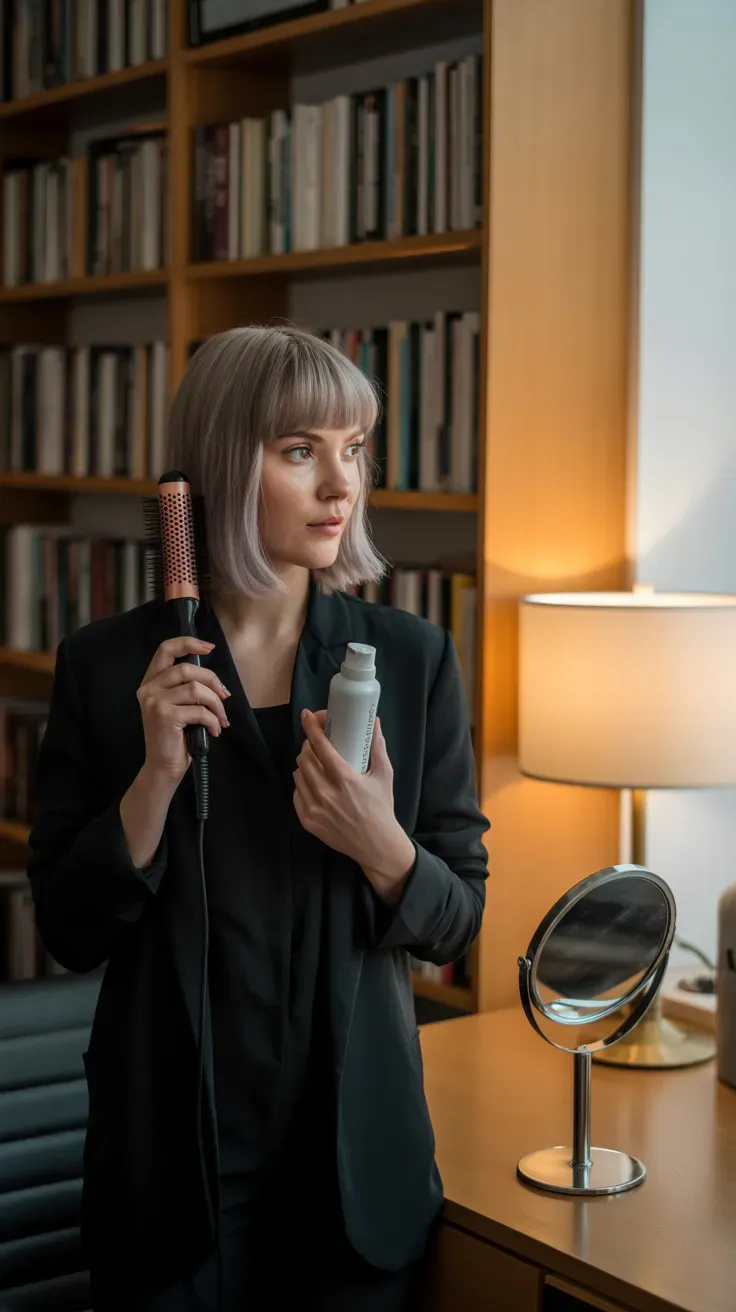
26. Silver Shag Lob with Texture
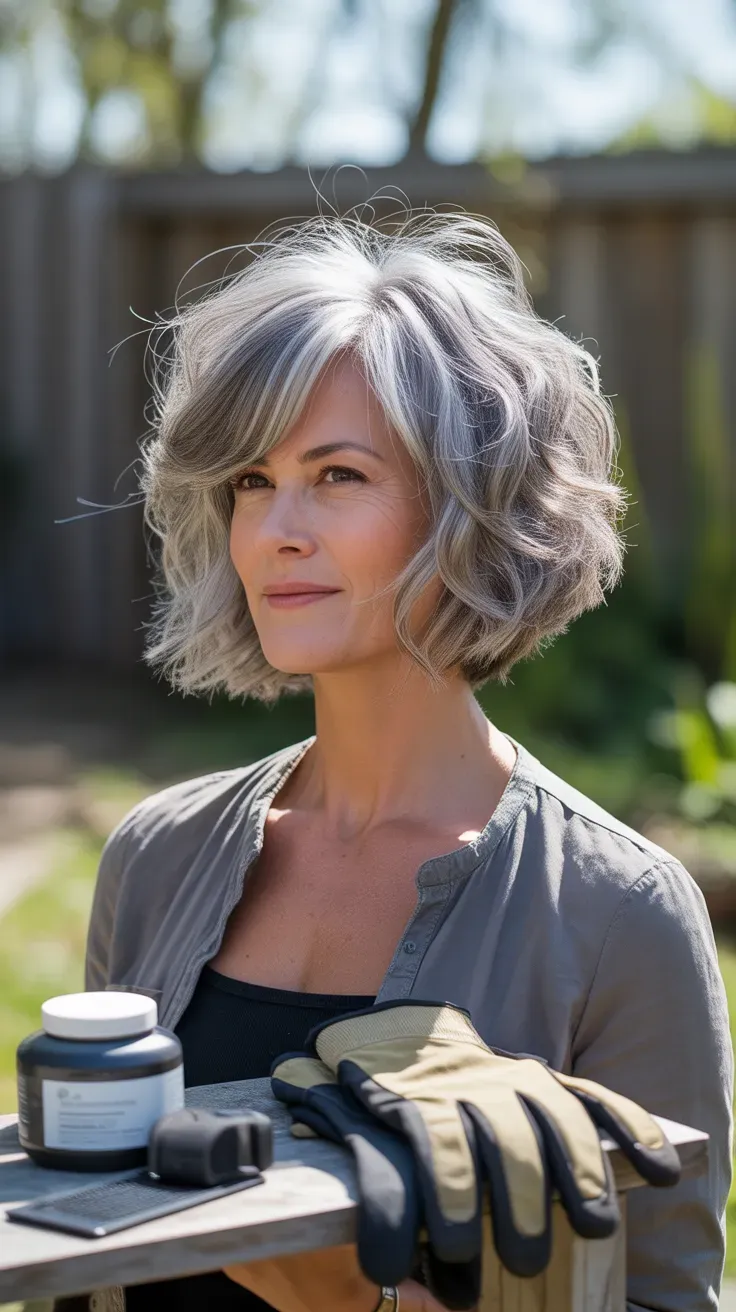
Why it works: Texturized shag layers catch and reflect light differently across a silver base, adding visual dimension that flat gray hair can otherwise lack. This keeps fine hair looking rich and intentional rather than dull or wispy.
Ask for: Ask for “heavy point-cutting throughout to break up the silver tone and add movement.”
27. Shag Lob Styled for Special Occasions
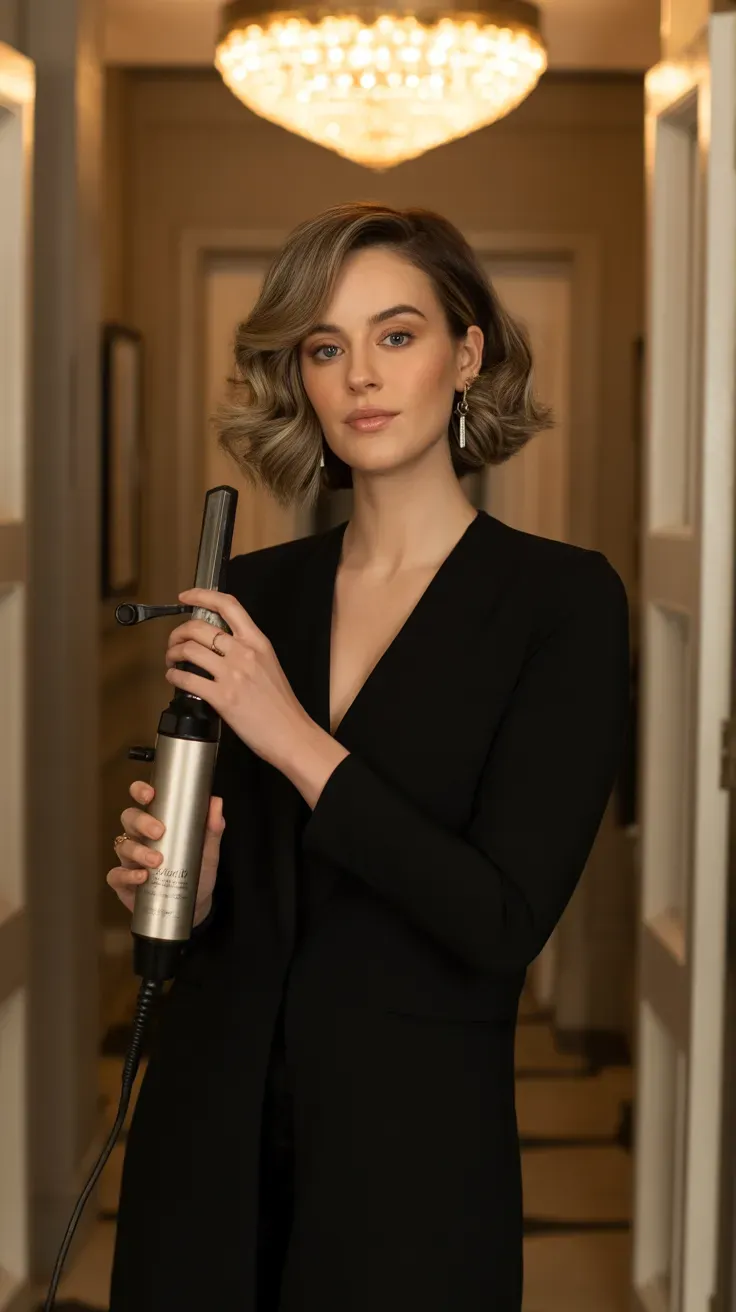
Why it works: Curling shag layers into soft, uniform waves transforms an everyday style into a polished, dressy look for evenings out, proving fine hair doesn’t have to stay casual. It’s proof that one shaggy lob can flex between daytime ease and special-occasion glamour.
Ask for: At home, “curl one-inch sections away from the face with a large-barrel iron and brush out gently once cool.”
FAQs
What’s the best shaggy lob hairstyle for fine hair? The Voluminous Crown Shag Lob, the Classic Choppy Shag Lob, and the Shag Lob with Root Volume Blowout tend to work best for fine hair. All three concentrate layers and lift at the crown, which is exactly where density is needed most.
How to make a shag lob look fuller for fine hair? Start by adding root lift with a volumizing product and blow-drying upward at the roots before letting the ends fall. Keep a deep or off-center part, since a center part exposes more scalp on thinning areas. Finish with a light texturizing spray rather than heavy oils, which can weigh fine hair down.
Are shag lobs good for very fine hair? Yes, shag lobs can work well on very fine hair as long as the layering is placed carefully — heavy layering all over can sometimes make already-sparse ends look even thinner. Many stylists recommend concentrating the choppiest layers at the crown and keeping the perimeter a bit more blunt to preserve overall density.
Final Thoughts
Whichever version you choose, the goal is the same: use shape, softness, and smart layer placement to bring back the volume and movement fine hair naturally loses over time, while keeping the length a lob offers. From sleek and polished to tousled and undone, there’s a shaggy lob on this list for every face shape and comfort level. Pick the one that fits your everyday routine and the look you’re most excited to wear.