
If your hair is thin and fine, you already know the daily struggle: it looks great fresh out of the shower, then goes flat and limp by lunchtime. Long layers seem to disappear into nothing, and one-length cuts can make your hair look even thinner than it is. It’s frustrating to feel like your hair never quite has the body or movement you want, no matter how much product you use.
The good news is you don’t need a drastic change to fix this — you just need the right cut. A choppy bob adds texture and broken-up ends that trick the eye into seeing more volume and movement, without sacrificing length or requiring a totally new look. This roundup rounds up 28 choppy bob ideas made specifically for thin, fine hair, so you can find the one that fits your everyday life.
1. Jaw-Length Classic Choppy Bob
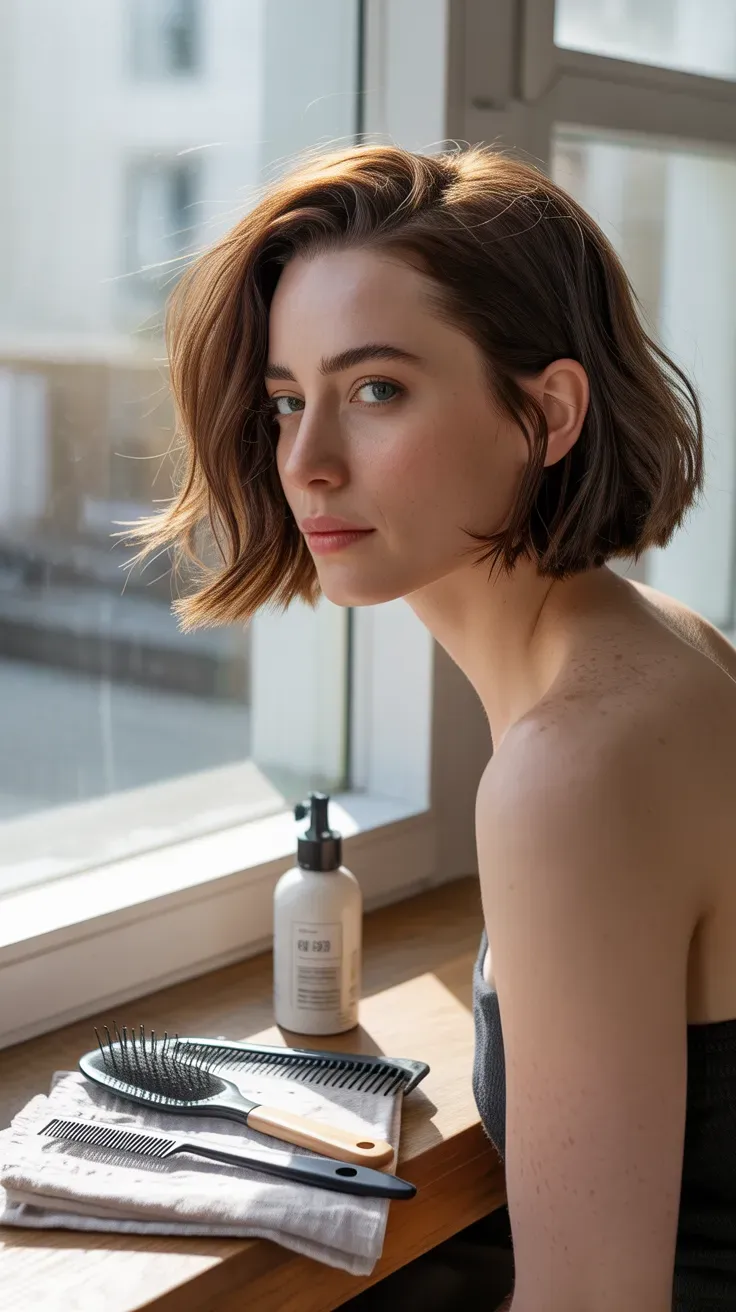
Why it works: Cutting fine hair to jaw length concentrates the visible density into a shorter space, so strands appear thicker and fuller instead of thinning out toward the ends. The choppy, broken finish removes any blunt heaviness that would otherwise emphasize how fine the hair actually is.
Ask for: Tell your stylist “a jaw-length bob with point-cut, textured ends” to get soft, uneven edges rather than a single blunt line.
2. Chin-Length Blunt Choppy Bob
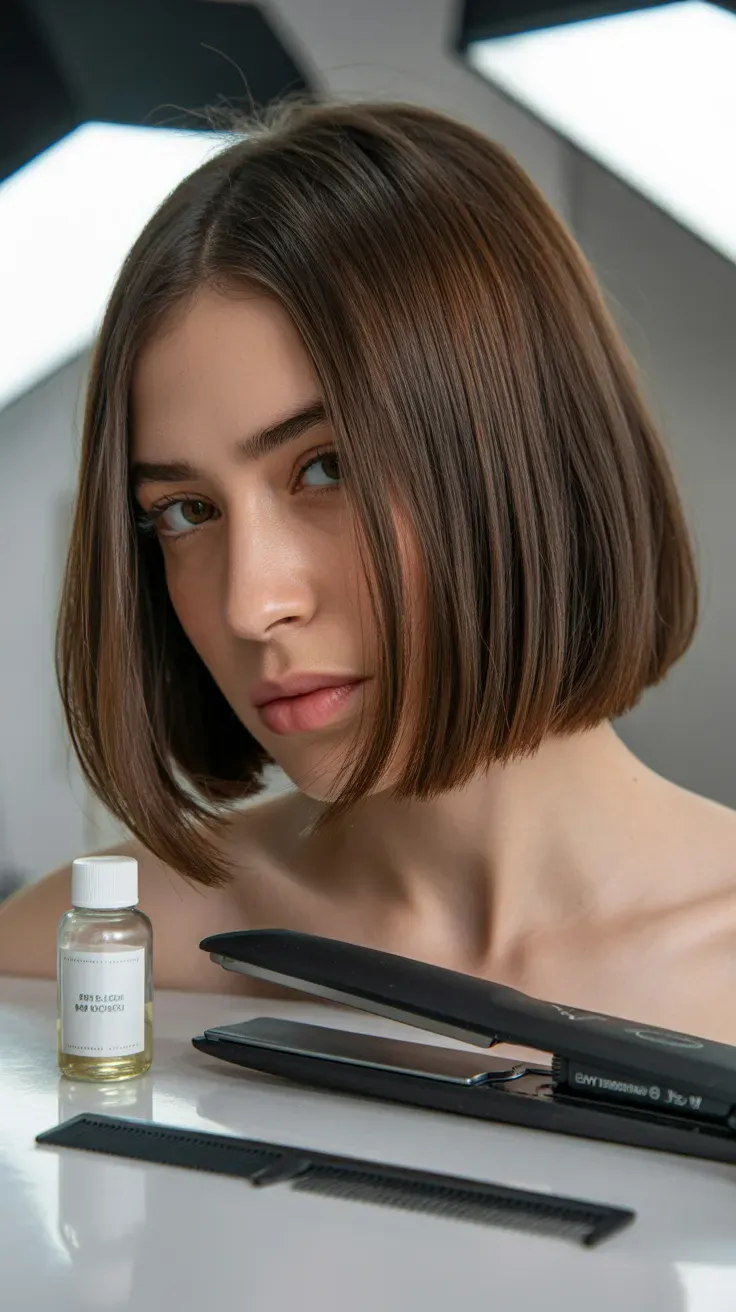
Why it works: The blunt perimeter combined with interior chopping creates a dense-looking edge while still allowing movement underneath, which reads as thicker hair from every angle. It keeps length minimal enough that ends don’t have room to thin out and go stringy.
Ask for: Ask for “a blunt chin-length bob with internal point-cutting” so the outline stays sharp but the inside layers stay light.
3. Collarbone-Length Choppy Lob

Why it works: A collarbone-length lob, or long bob, keeps some length for versatility while the choppy ends prevent the classic “flat sheet” look that longer fine hair often falls into. The shorter length also means less weight pulling the hair down, so it holds shape and bounce longer through the day.
Ask for: Request “a lob with heavy point-cutting at the ends, no thinning shears,” since thinning shears can make fine hair look sparser.
4. A-Line Choppy Bob
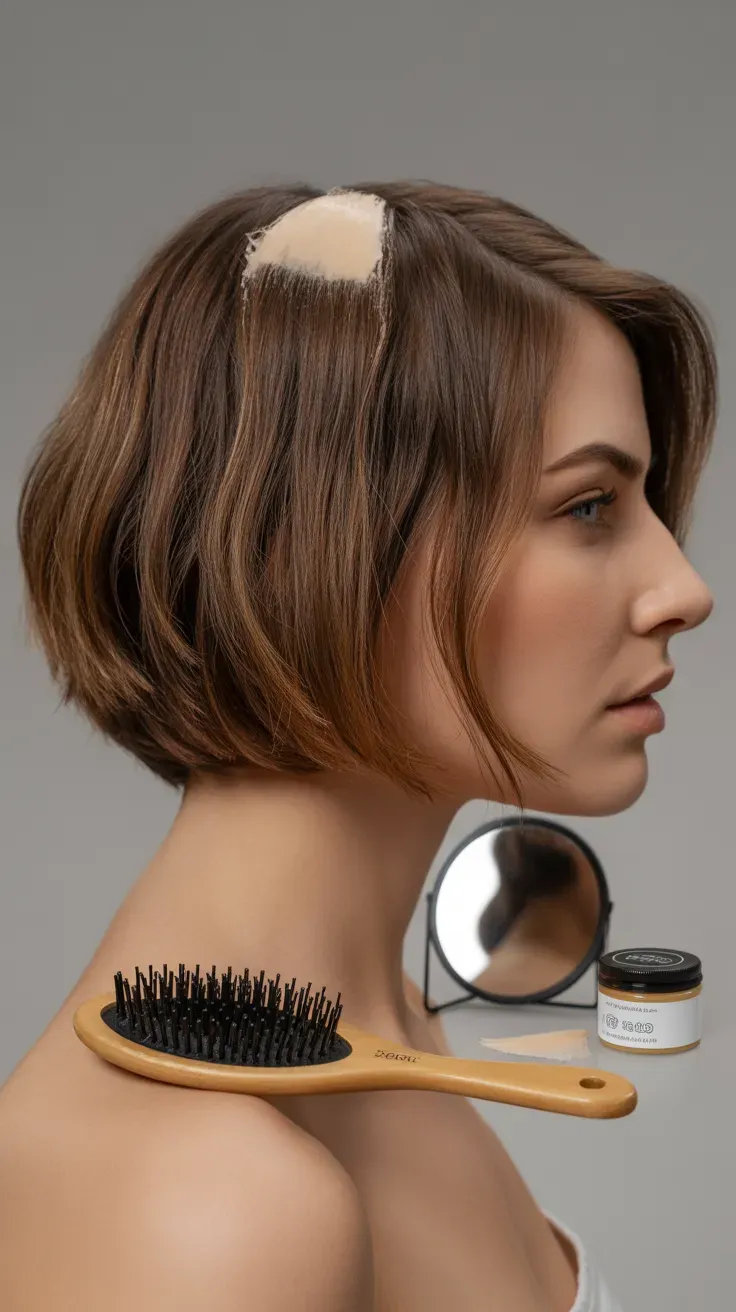
Why it works: The angled silhouette, shorter in the back and longer in the front, draws the eye diagonally and creates the illusion of more volume at the crown where fine hair tends to fall flattest. The choppy ends along the angle keep the shape from looking stiff or too structured.
Ask for: Say “an A-line bob, short in the back and angled longer toward the chin, with choppy ends throughout.”
5. Inverted Choppy Bob
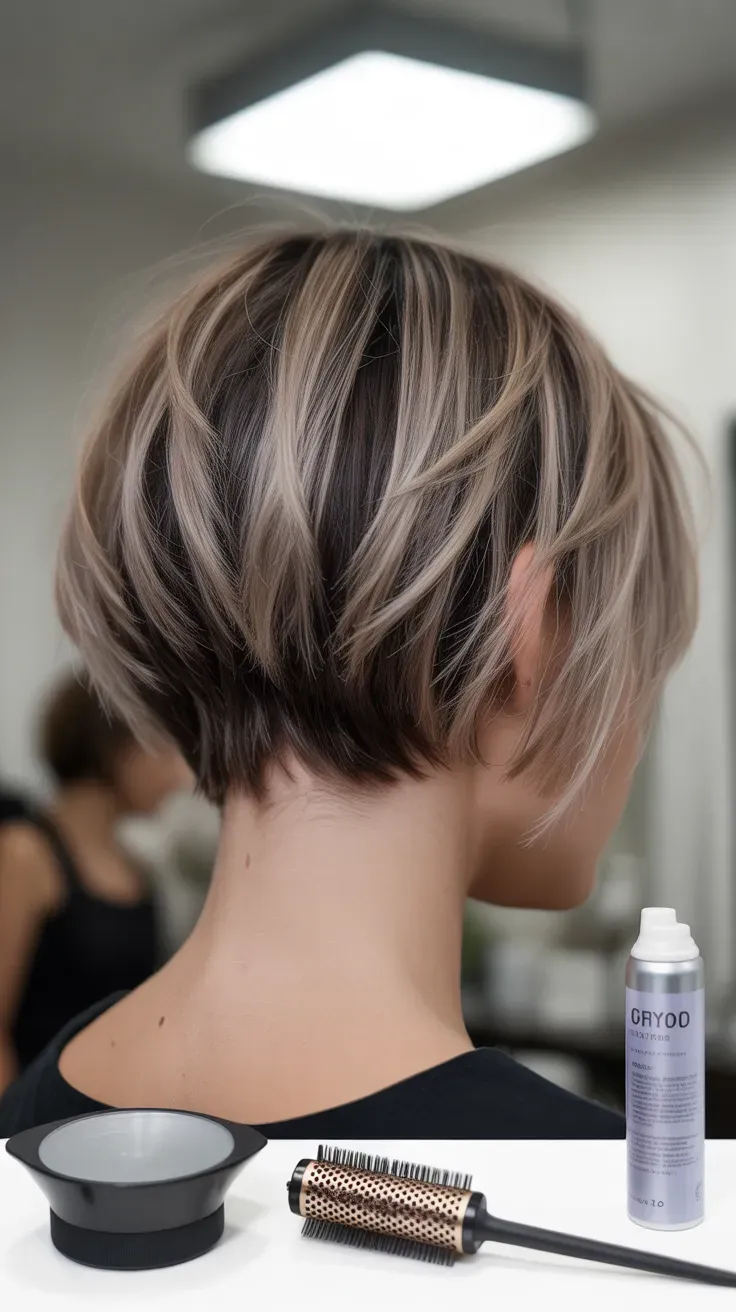
Why it works: Stacking shorter layers underneath at the crown builds physical lift right where thin hair usually falls flattest against the scalp. The graduated, choppy transition into longer front pieces keeps the whole shape from looking bulky or artificial.
Ask for: Ask your stylist for “an inverted bob with heavy stacking at the crown and graduated length toward the front.”
6. Stacked Choppy Bob
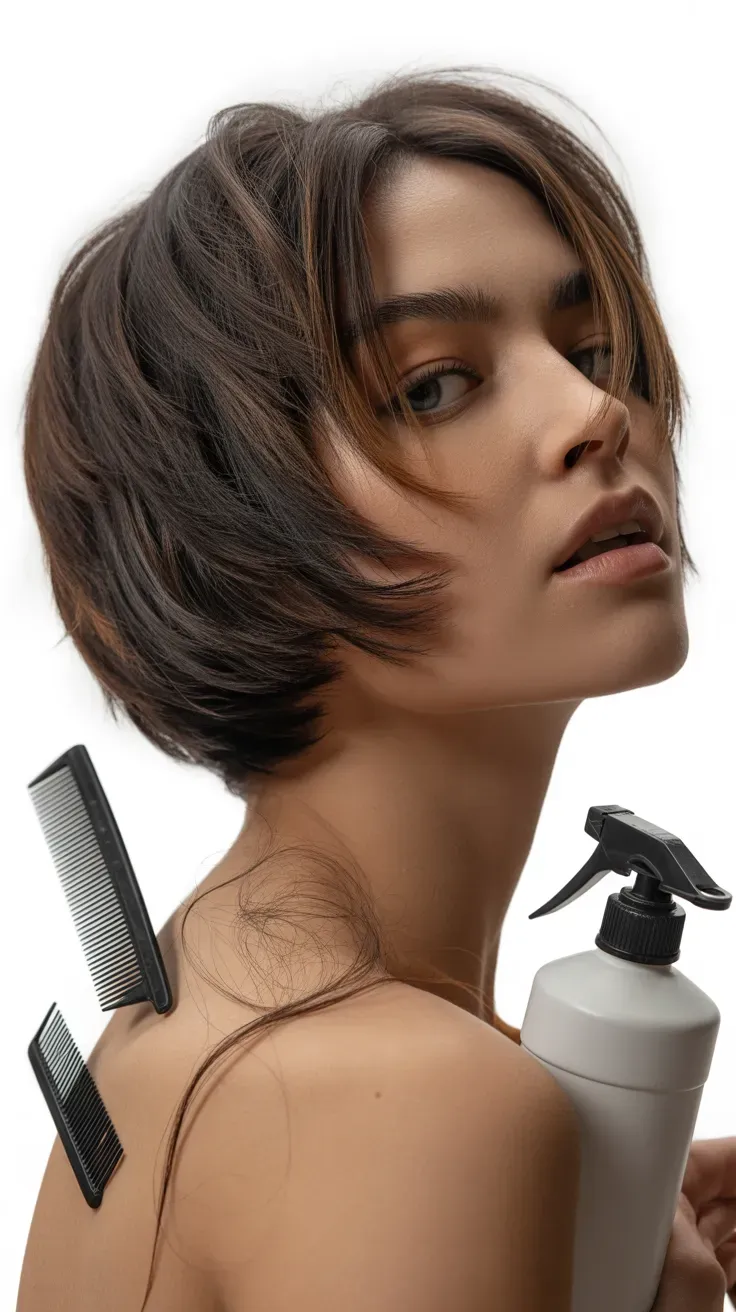
Why it works: Multiple short layers stacked on top of each other at the back create visible density and a rounded, fuller silhouette that single-length fine hair can’t achieve on its own. The choppiness between each layer stops the stack from looking like a helmet.
Ask for: Ask for “heavy stacking in the back with two to three layers, cut with a razor for texture.”
7. Asymmetrical Choppy Bob
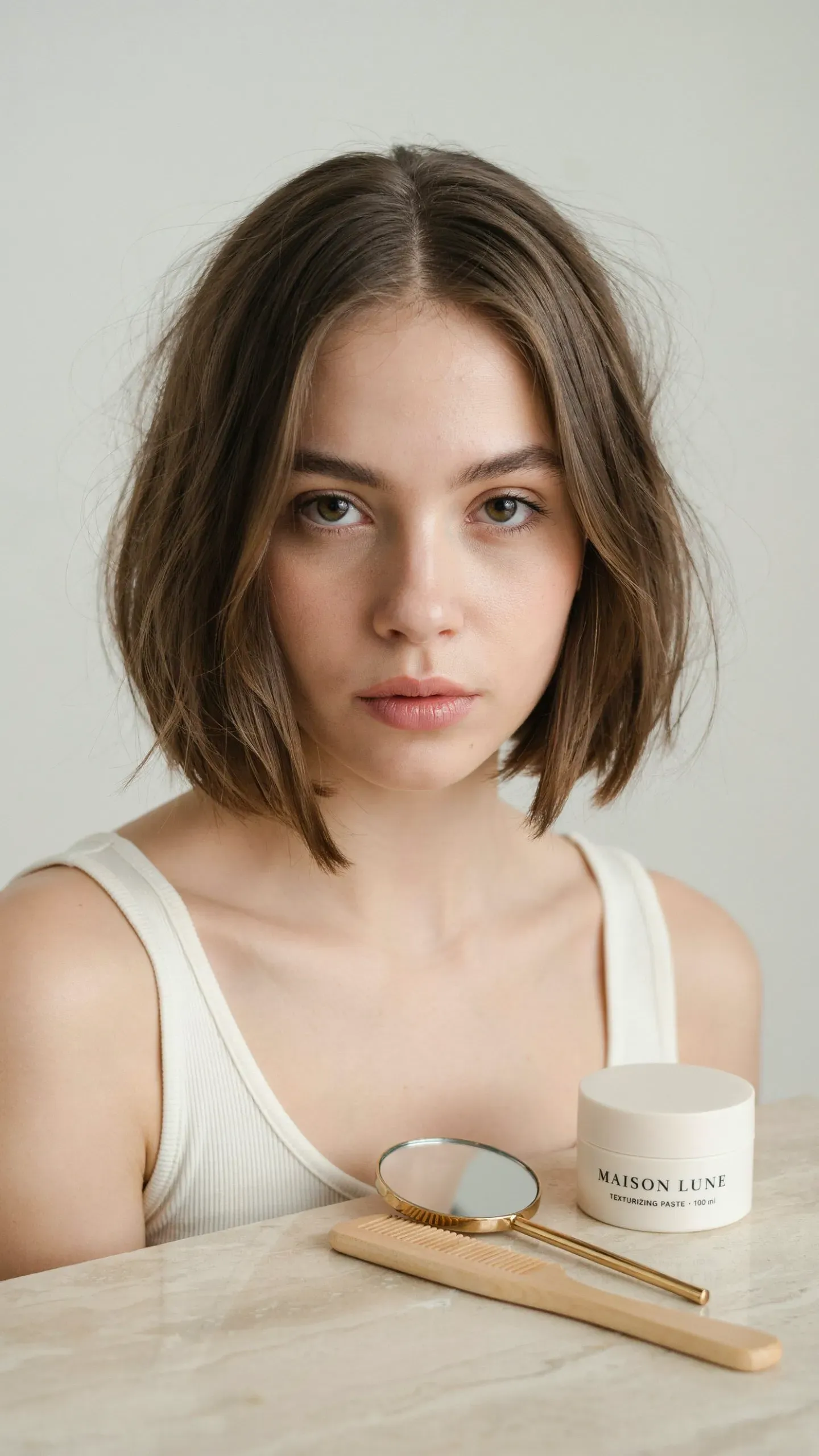
Why it works: The uneven lengths break the eye’s natural symmetry, making the whole cut look more deliberate and textured rather than simply “thin.” Because one side always has more visual weight, the style automatically reads as fuller no matter which way it’s parted.
Ask for: Request “an asymmetrical bob with a two-inch length difference between sides and choppy point-cut ends.”
8. French Girl Choppy Bob

Why it works: This bob is cut with deliberately uneven, undone-looking ends that mimic natural texture, which hides the smoothness that can make fine hair look thin and flat. The slightly messy finish also means less daily styling effort is needed to keep volume looking intentional.
Ask for: Say “a textured bob with disconnected ends, styled undone rather than smoothed.”
9. Choppy Bob with Curtain Bangs
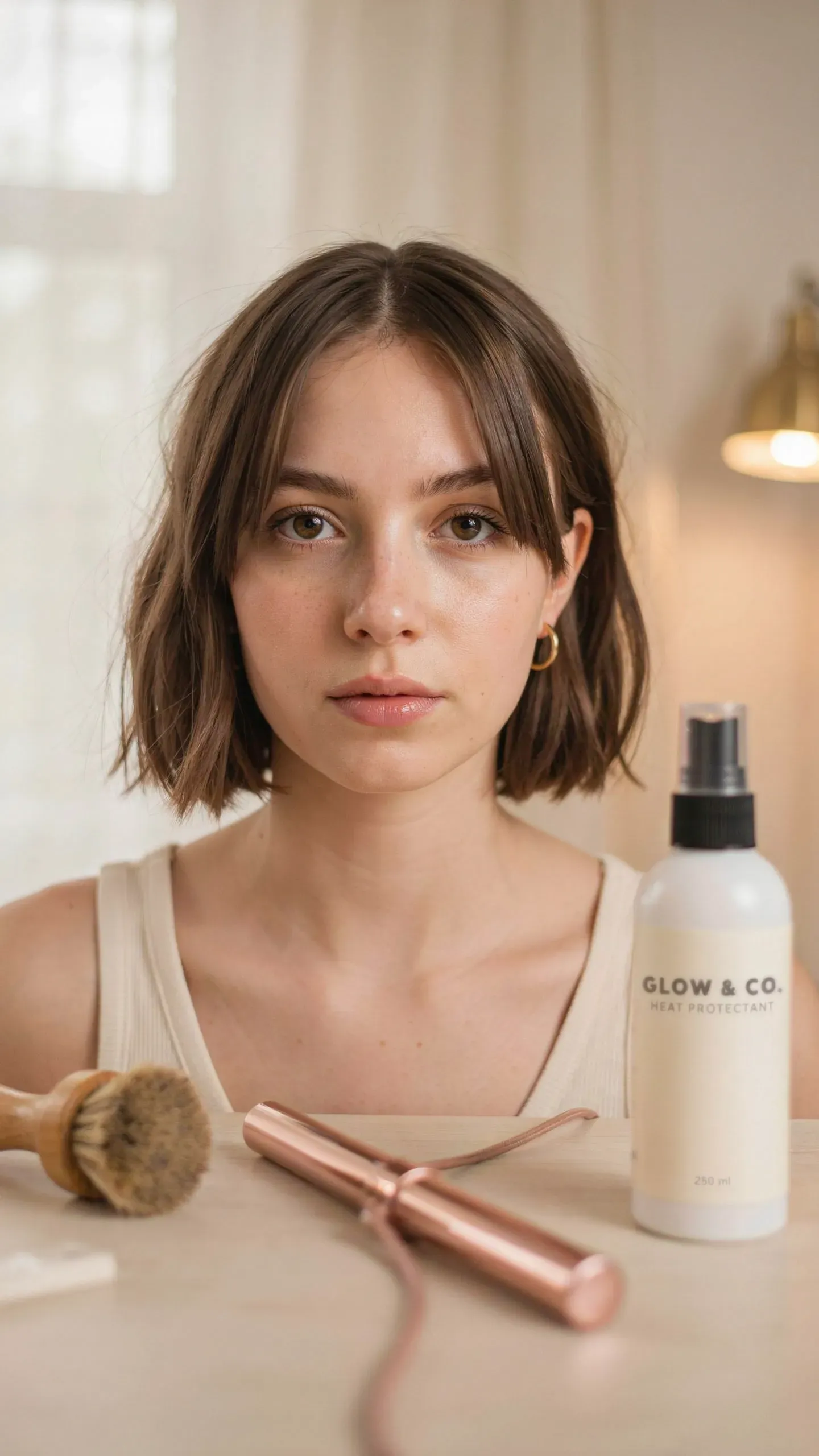
Why it works: Curtain bangs open up and frame the face, drawing attention away from the crown, which is usually where fine hair looks thinnest. The wispy, parted ends of the bangs blend into the choppy layers below for a soft, full-looking front section.
Ask for: Ask for “curtain bangs cut long enough to tuck behind the ears, blended into the bob with a razor.”
10. Choppy Bob with Wispy Bangs
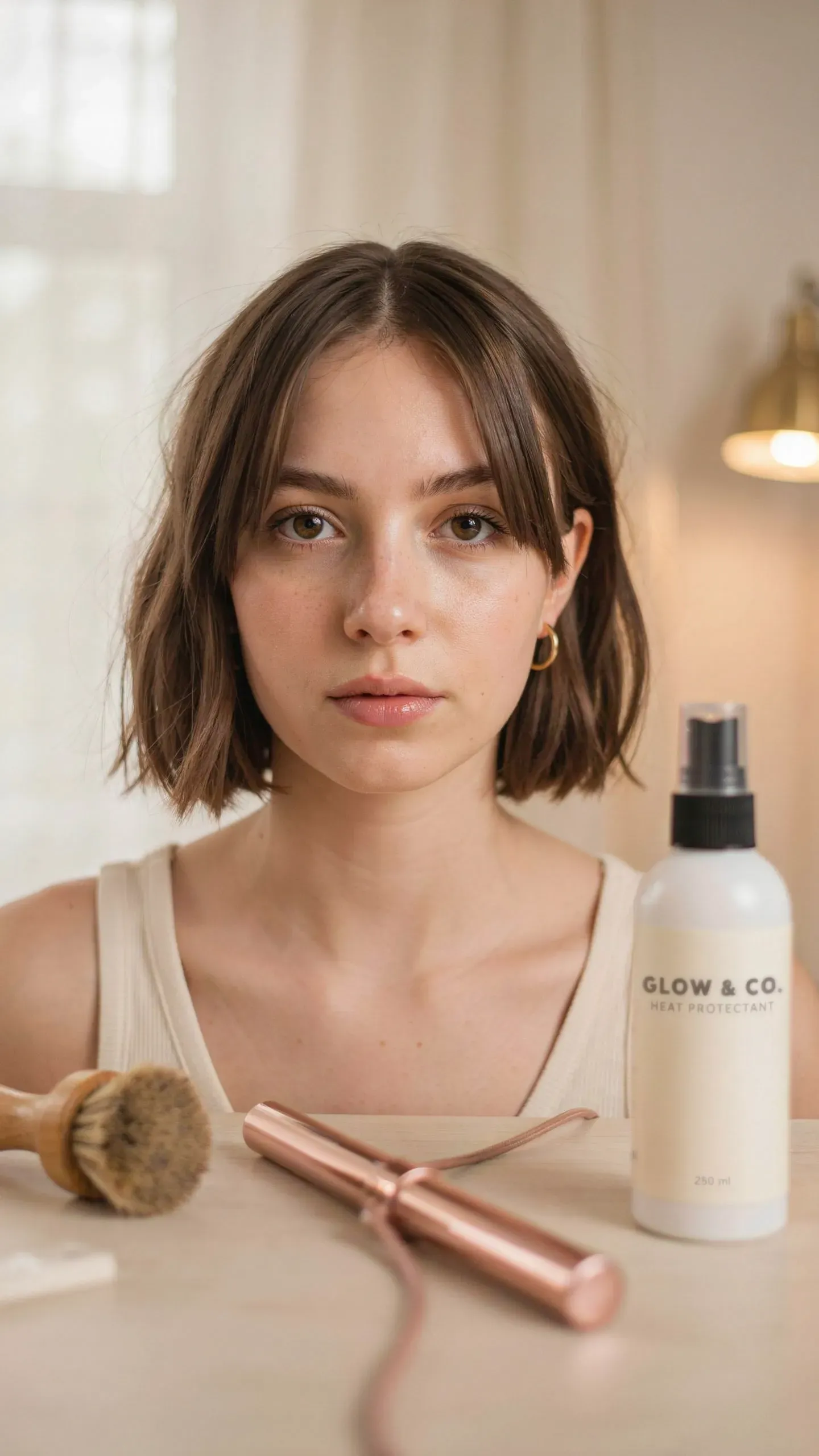
Why it works: Because wispy bangs are cut thin and feathered rather than dense, they don’t overwhelm fine hair’s natural texture and instead blend seamlessly for a soft, full fringe. This softness at the forehead balances the rest of the choppy bob so nothing looks sparse by comparison.
Ask for: Tell your stylist “wispy, feathered bangs cut just above the brow, thinned at the ends only.”
11. Choppy Bob with Blunt Micro-Fringe

Why it works: A short, blunt micro-fringe adds a dense block of visible hair right at the hairline, instantly making the whole front section look thicker by contrast. It’s a bold styling choice that pulls focus away from any thinning at the temples.
Ask for: Ask for “a blunt micro-fringe cut straight across just above the brow bone.”
12. Choppy Bob with Side-Swept Fringe
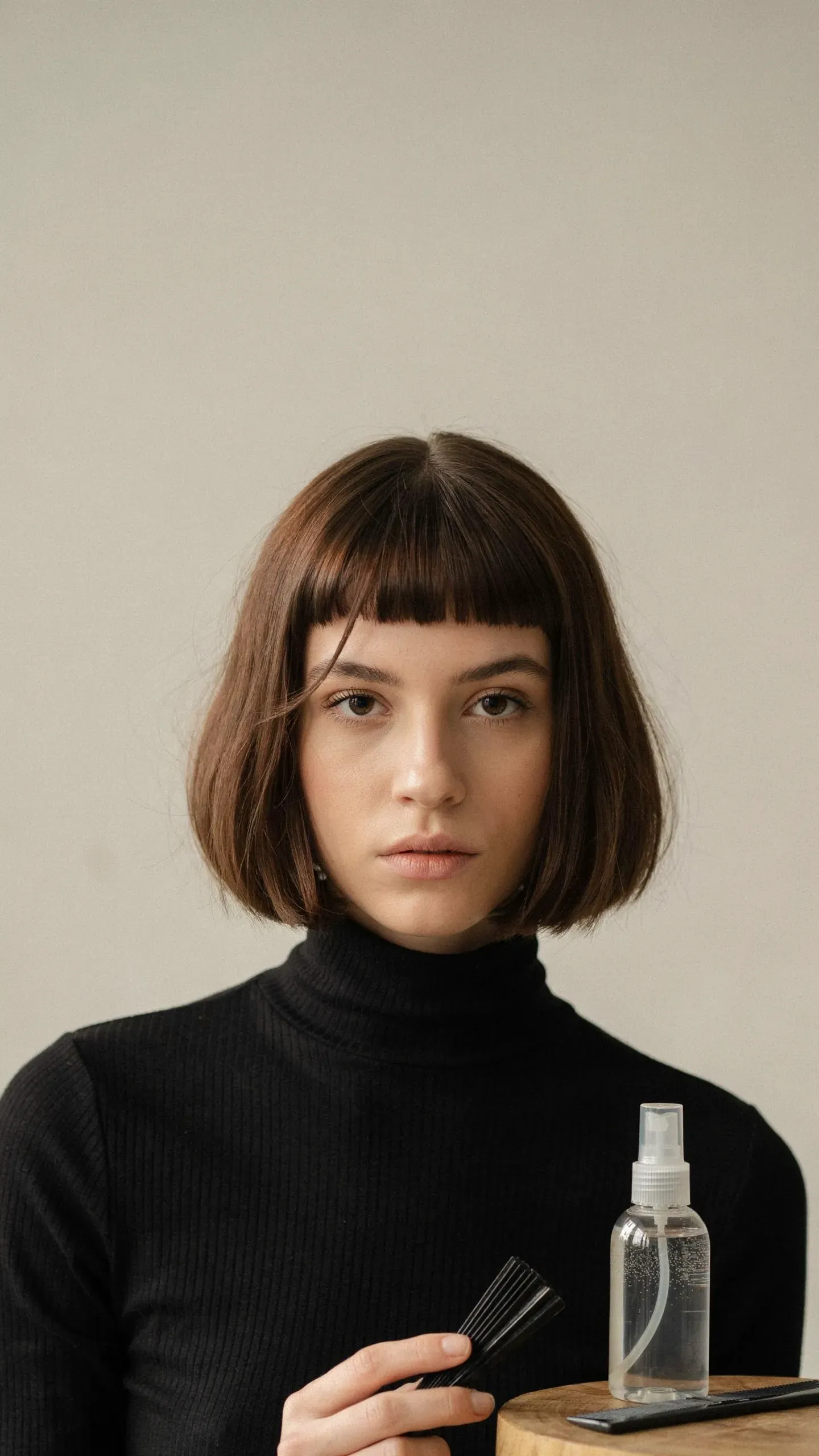
Why it works: Sweeping the fringe to one side creates diagonal movement across the forehead, which reads as more dynamic and full than a straight, flat hairline. It also softens the face shape while keeping the rest of the choppy bob doing the volume work at the back.
Ask for: Say “a long side-swept fringe blended into the bob, no blunt line at the part.”
13. Textured Shaggy Bob
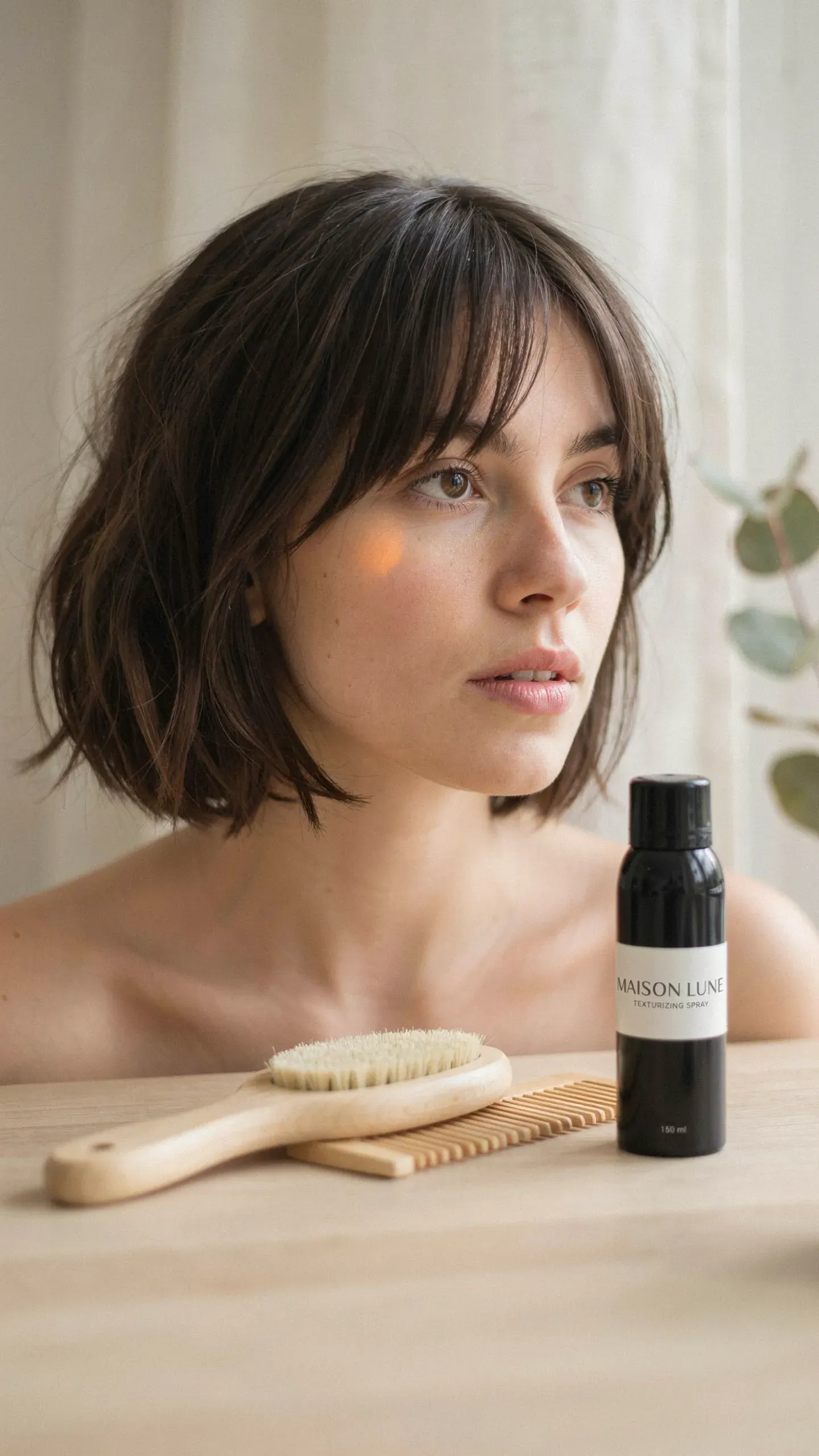
Why it works: Heavy shag layering throughout the bob creates multiple points of texture and movement, which tricks the eye into perceiving far more density than the hair actually has. The choppy, uneven layers also mean less noticeable regrowth or thinning at the roots since attention is spread across the whole head.
Ask for: Ask for “a shaggy bob with layers cut close to the head at the crown and choppy through the ends.”
14. Razor-Cut Choppy Bob

Why it works: A razor, instead of scissors, cuts each strand at an angle rather than straight across, which softens the ends and creates natural-looking texture that fine hair typically lacks on its own. This technique also removes bulk without removing overall length, so the hair stays fuller-looking for longer between cuts.
Ask for: Ask specifically for “a razor cut rather than scissor cut, especially through the ends.”
15. Point-Cut Feathered Bob
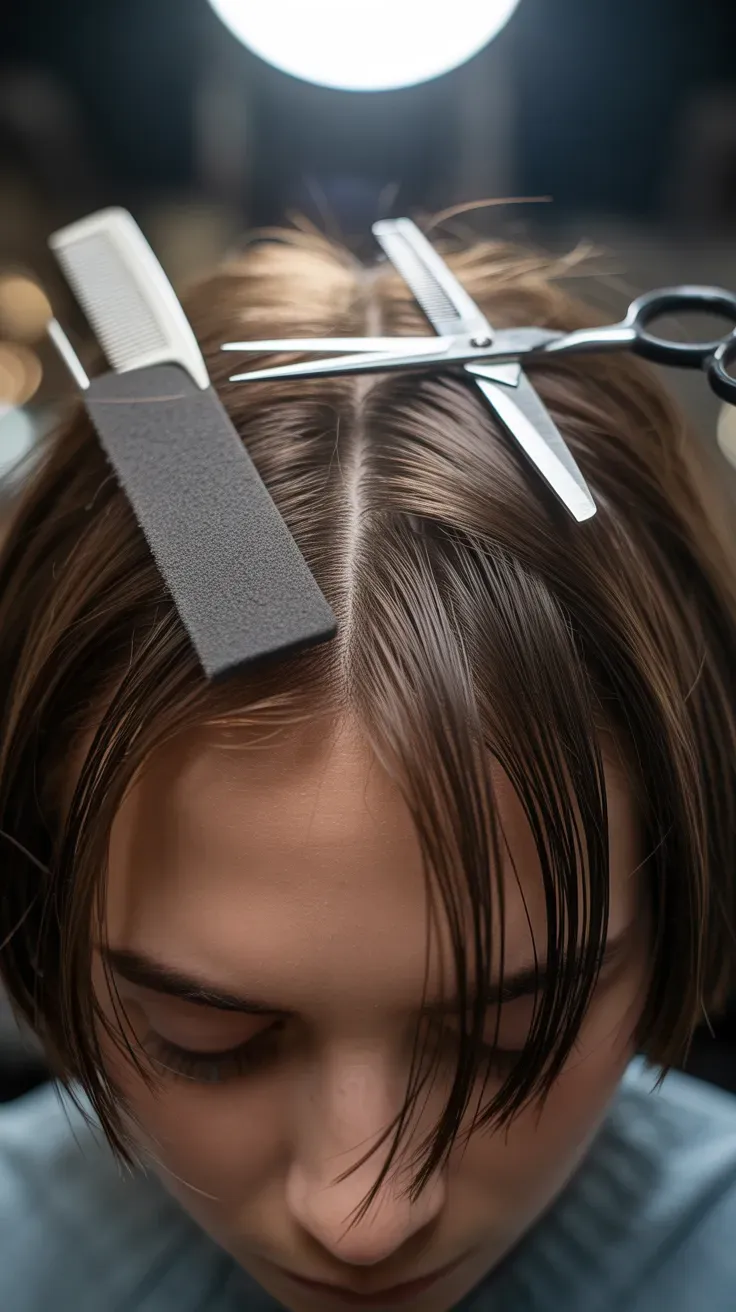
Why it works: Point-cutting removes small triangular sections from the ends rather than cutting a straight line, which softens the silhouette and adds the illusion of extra strands filling in gaps. This technique is especially gentle on fine hair since it avoids the thinning shears that can make ends look see-through.
Ask for: Say “point-cut the ends instead of blunt cutting, all the way around the perimeter.”
16. Choppy Bob with Face-Framing Layers
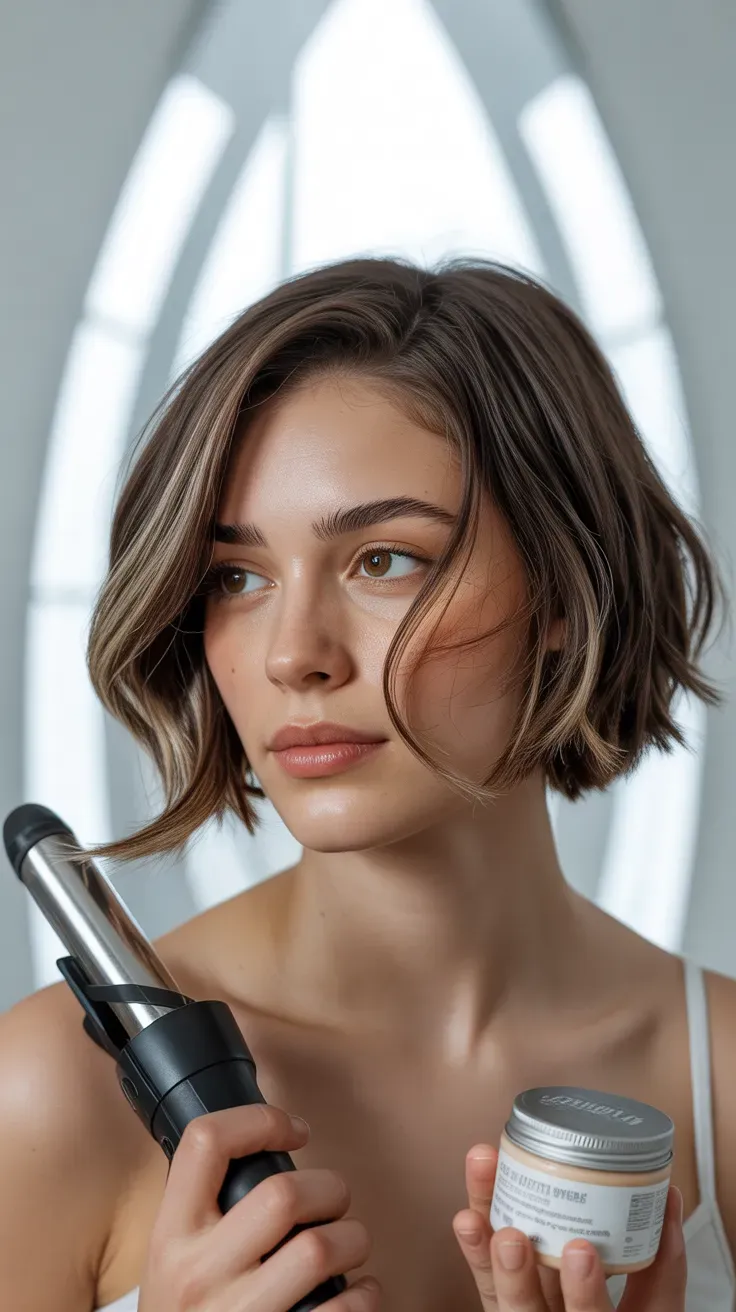
Why it works: Longer layers curved around the cheekbones add visible strands right at the face, which is where thin hair often looks its sparsest against the skin. The rest of the bob stays shorter and choppy, giving contrast that makes the face-framing pieces look extra full.
Ask for: Ask for “long face-framing layers left slightly longer than the rest of the bob, curled under at the ends.”
17. Deep Side-Part Choppy Bob
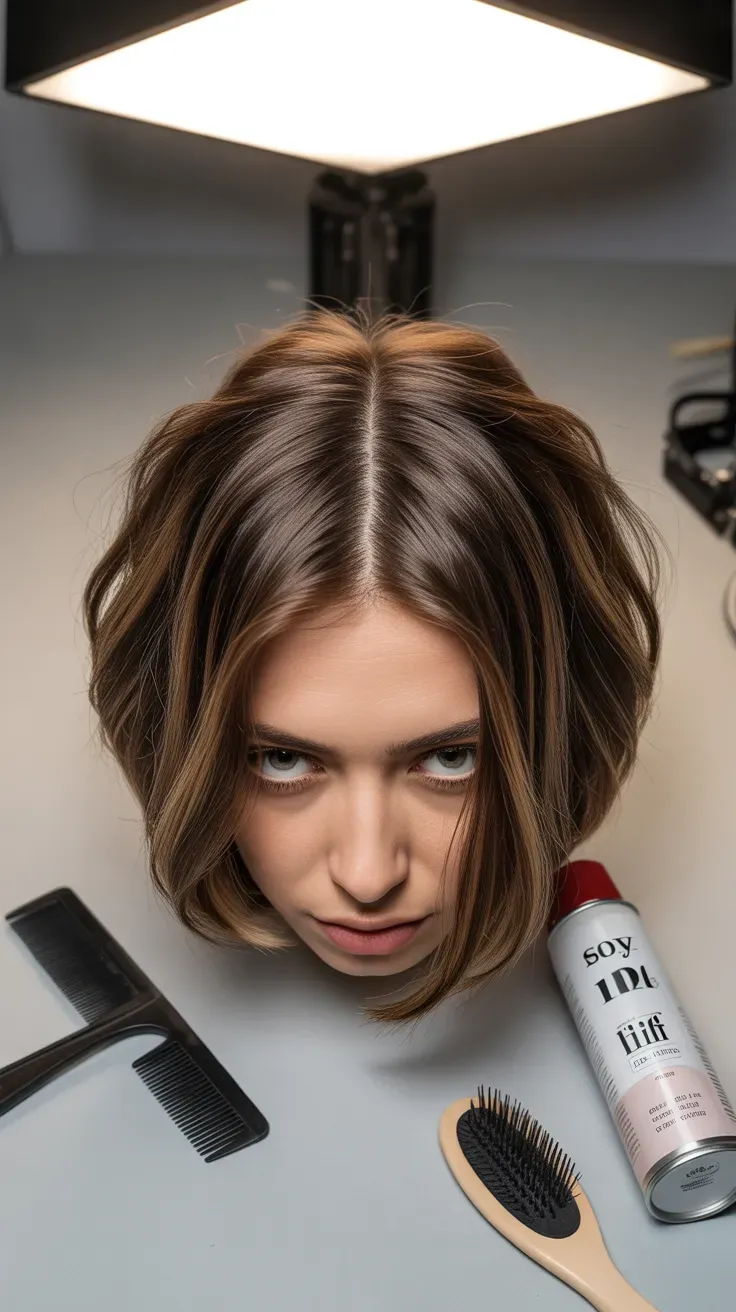
Why it works: Shifting the part deep to one side forces more hair to fall on one side of the head, creating an instant illusion of thickness and lift at the root that a center part can’t achieve on fine hair. The choppy ends throughout keep the heavier side from looking flat once it settles.
Ask for: Ask your stylist to “cut the bob with the part already set deep to one side” so the shape falls correctly.
18. Center-Part Choppy Bob
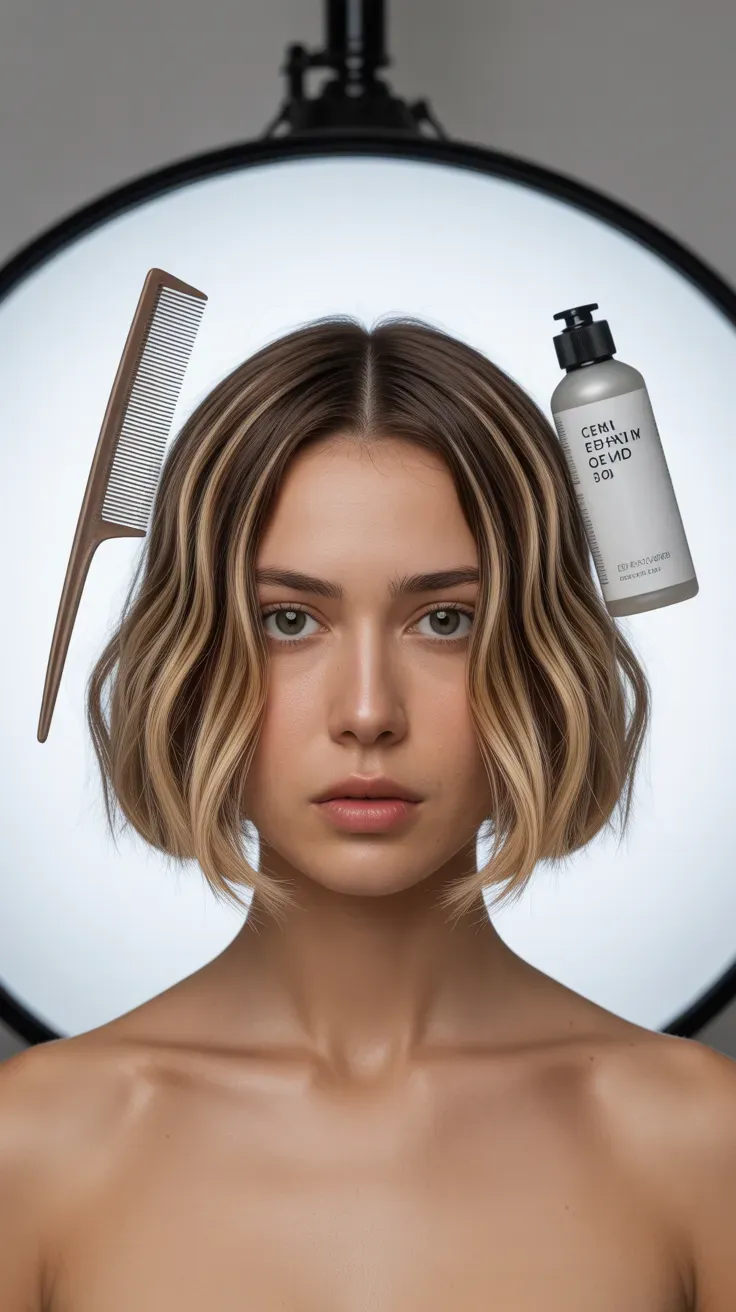
Why it works: A center part paired with choppy, textured ends keeps the style modern and symmetrical without the flatness that a center part alone can cause on fine hair. The broken-up ends on both sides balance the visual weight so neither half looks thinner than the other.
Ask for: Say “a center-part bob with heavy texturizing through the mid-lengths and ends to avoid flatness.”
19. Choppy Bob with Undercut Nape
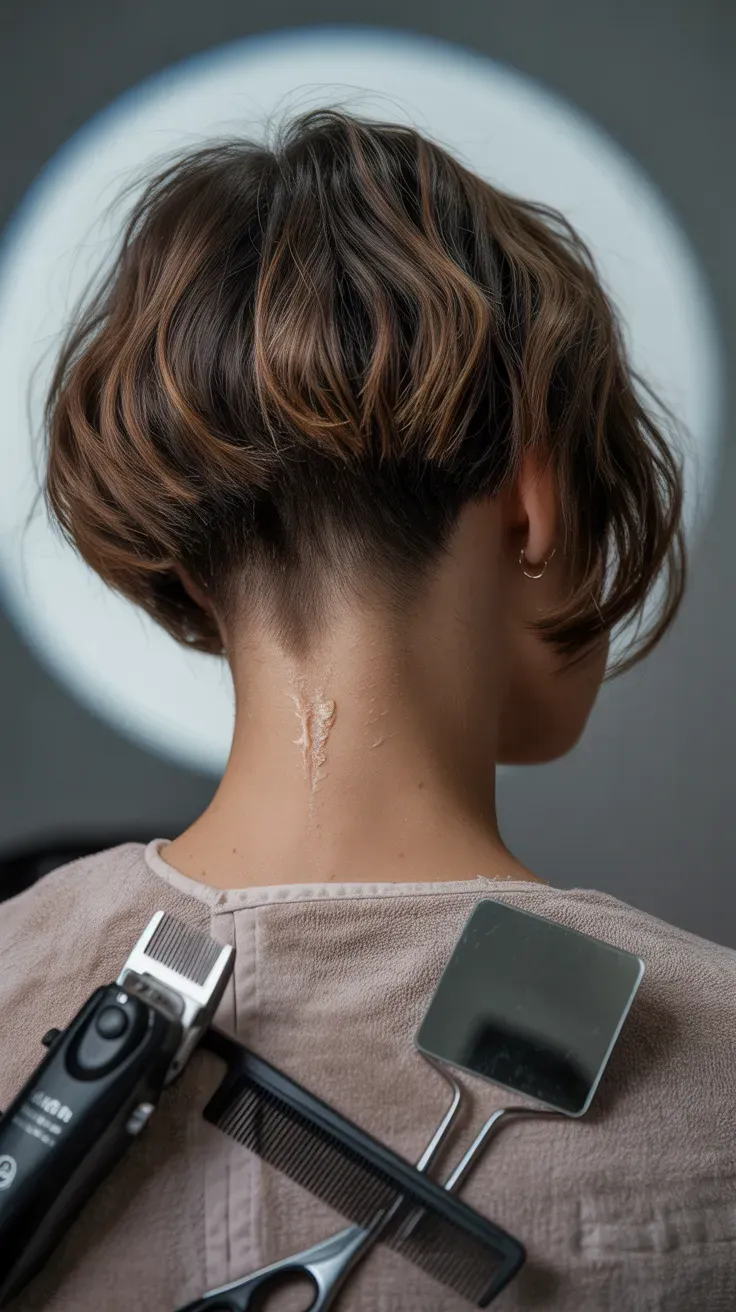
Why it works: Removing bulk at the nape with a subtle undercut lightens the overall weight of fine hair, allowing the top layers to sit up and forward with more visible body instead of being pulled down flat. It’s a hidden detail, so it adds volume without changing the bob’s visible silhouette when worn down.
Ask for: Ask for “a light undercut at the nape only, kept hidden under the top layer of the bob.”
20. Beachy Wavy Choppy Bob
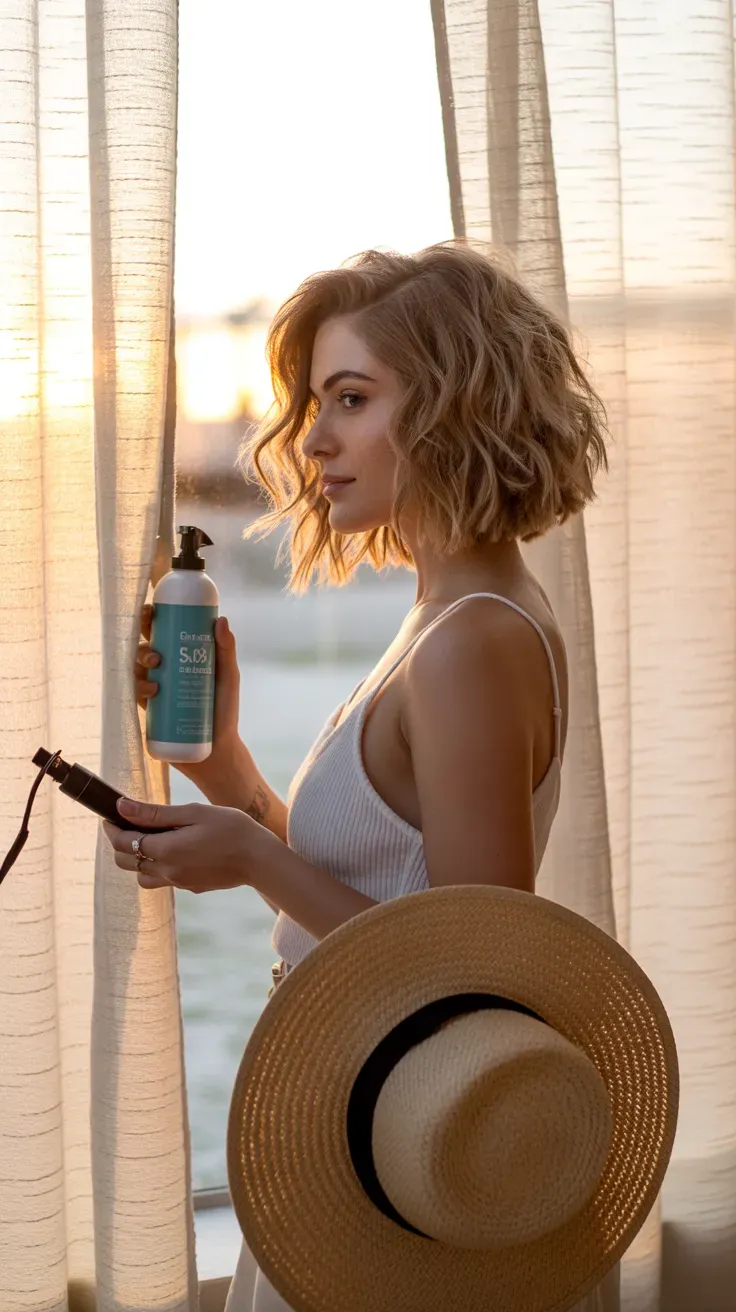
Why it works: Loose waves add dimension and bend to each strand, which naturally fills out the silhouette of fine hair far more than straight styling does. Because the bob is already choppy, the waves fall unevenly in a way that looks intentionally tousled rather than limp.
Ask for: Use “a one-inch curling wand, alternating curl direction section by section, then shake out with fingers, not a brush.”
21. Sleek Straight Choppy Bob
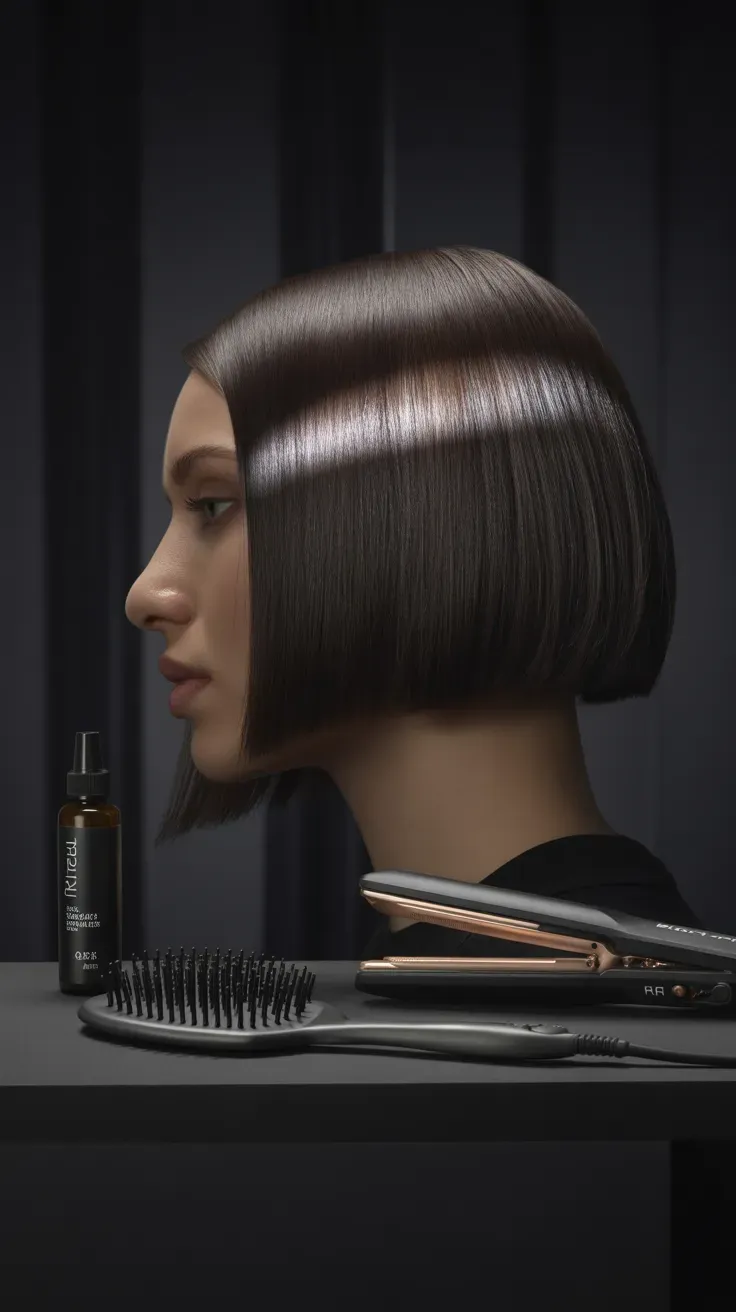
Why it works: Flat-ironing fine hair sleek and straight creates a glossy, reflective surface that reads as healthy and dense, especially when paired with choppy ends that add visual breaks along the smooth line. The straight finish also keeps flyaways controlled, which can otherwise make fine hair look wispy and thin.
Ask for: Use “a ceramic flat iron on a low-medium heat setting, pressing in small one-inch sections for a sleek finish.”
22. Choppy Bob with Root-Lift Blowout
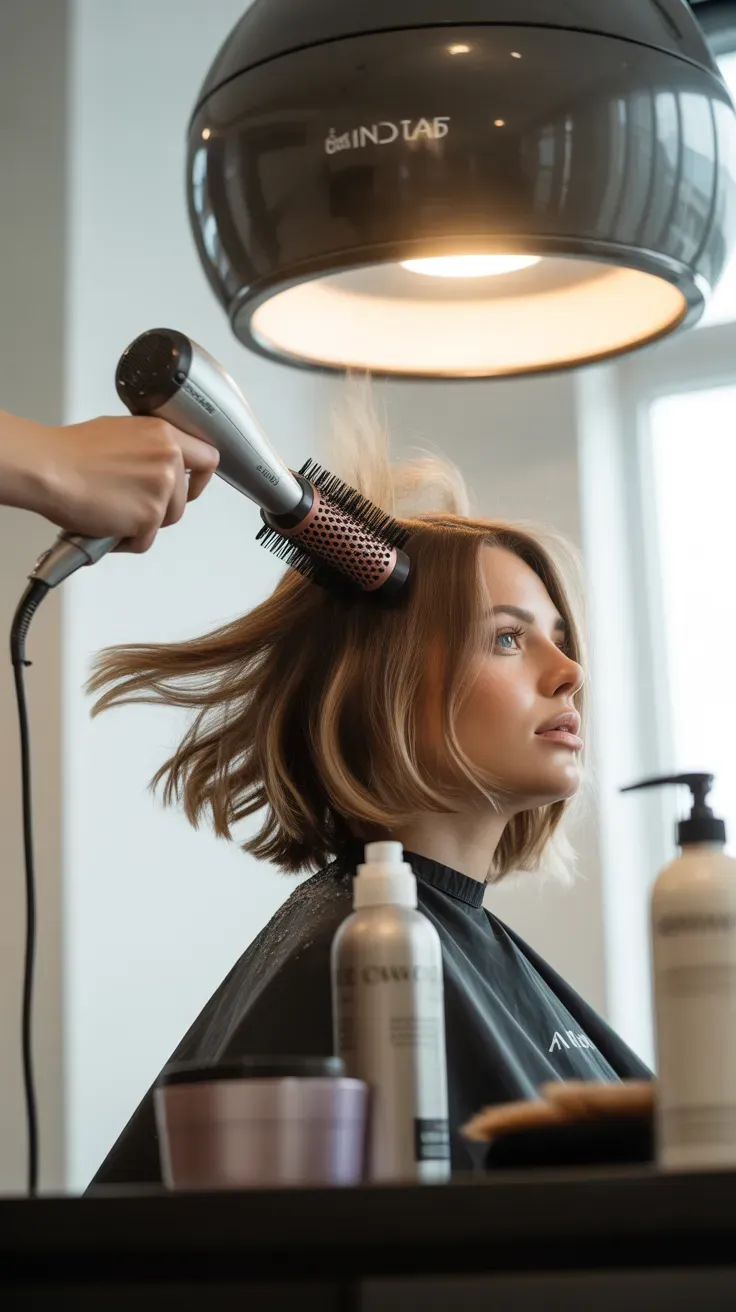
Why it works: Blow-drying with a round brush directed at the roots lifts hair away from the scalp before it has a chance to lie flat, which is the single biggest volume boost fine hair can get without a haircut. The choppy layers then catch and hold that lift better than one-length hair would, since there’s less weight pulling everything back down.
Ask for: At home, “blow-dry against the direction of growth at the roots using a round brush, then finish with cool air to set the shape.”
23. Piecey Choppy Bob with Flipped Ends
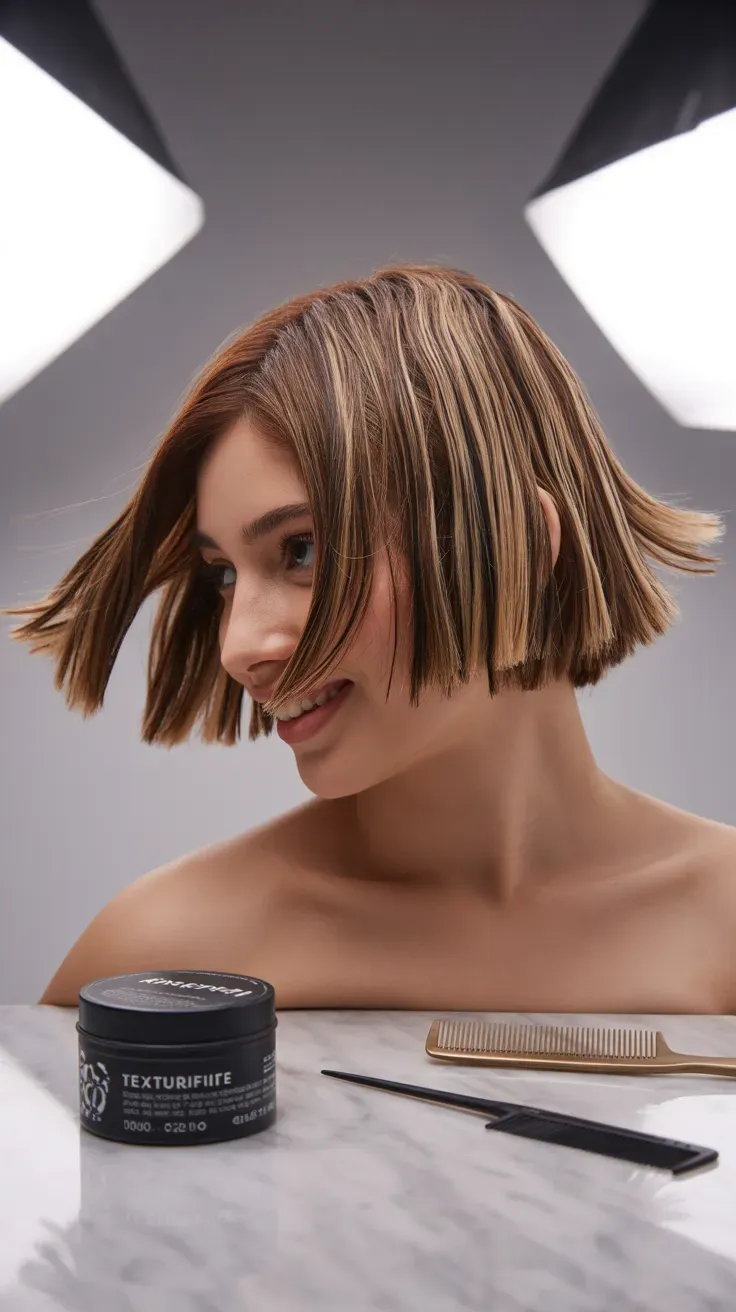
Why it works: Flipping the ends outward with a round brush or flat iron adds a distinct curve that breaks up the straight fall of fine hair, creating visible separation between pieces. That separation is what makes hair look thicker, since the eye reads distinct pieces as more strands than a smooth, single sheet.
Ask for: At home, “curl the ends outward away from the face using a one-inch iron, holding for five seconds per section.”
24. Tucked-Under Choppy Bob
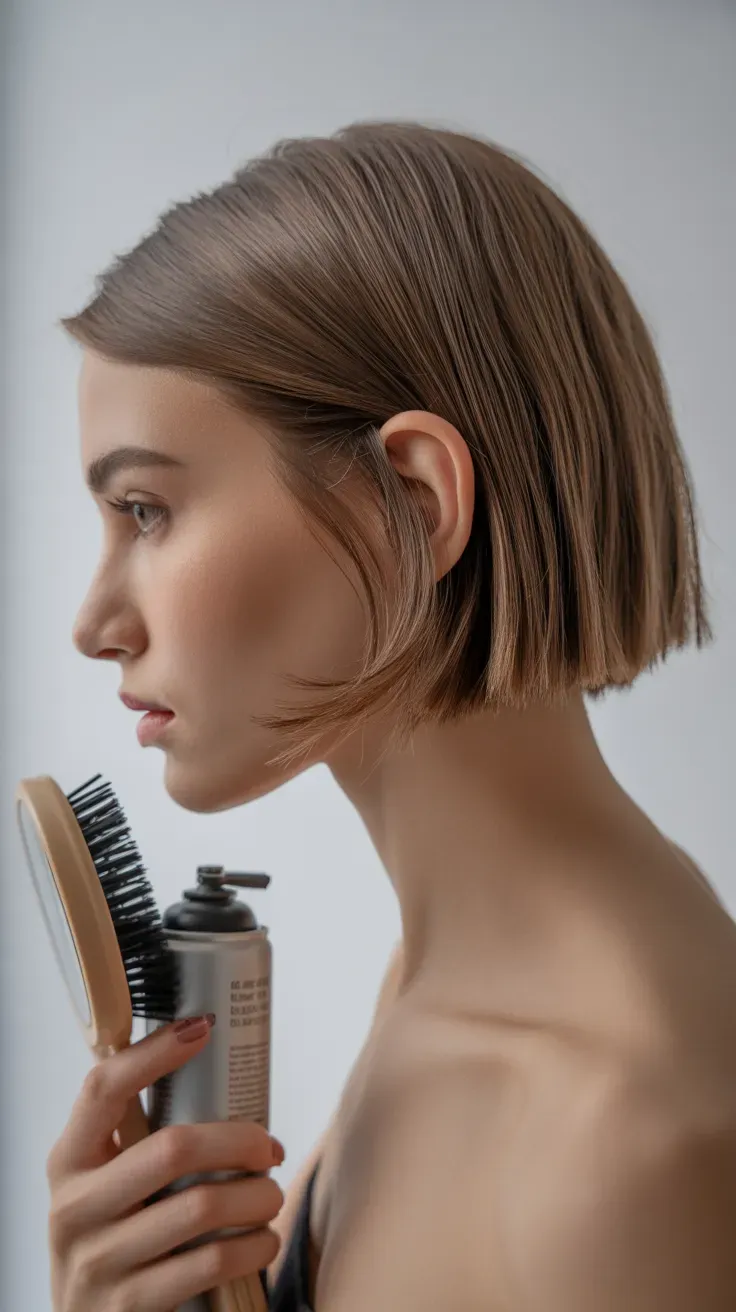
Why it works: Curling the ends under creates a rounded, bell-like shape that adds width and fullness along the jawline, an area where fine hair often looks its thinnest. The choppy internal layers keep this rounded shape from looking too smooth or wig-like.
Ask for: At home, “curl ends under toward the face using a round brush and blow dryer, rolling the brush inward as you dry.”
25. 90s-Inspired Flip Bob
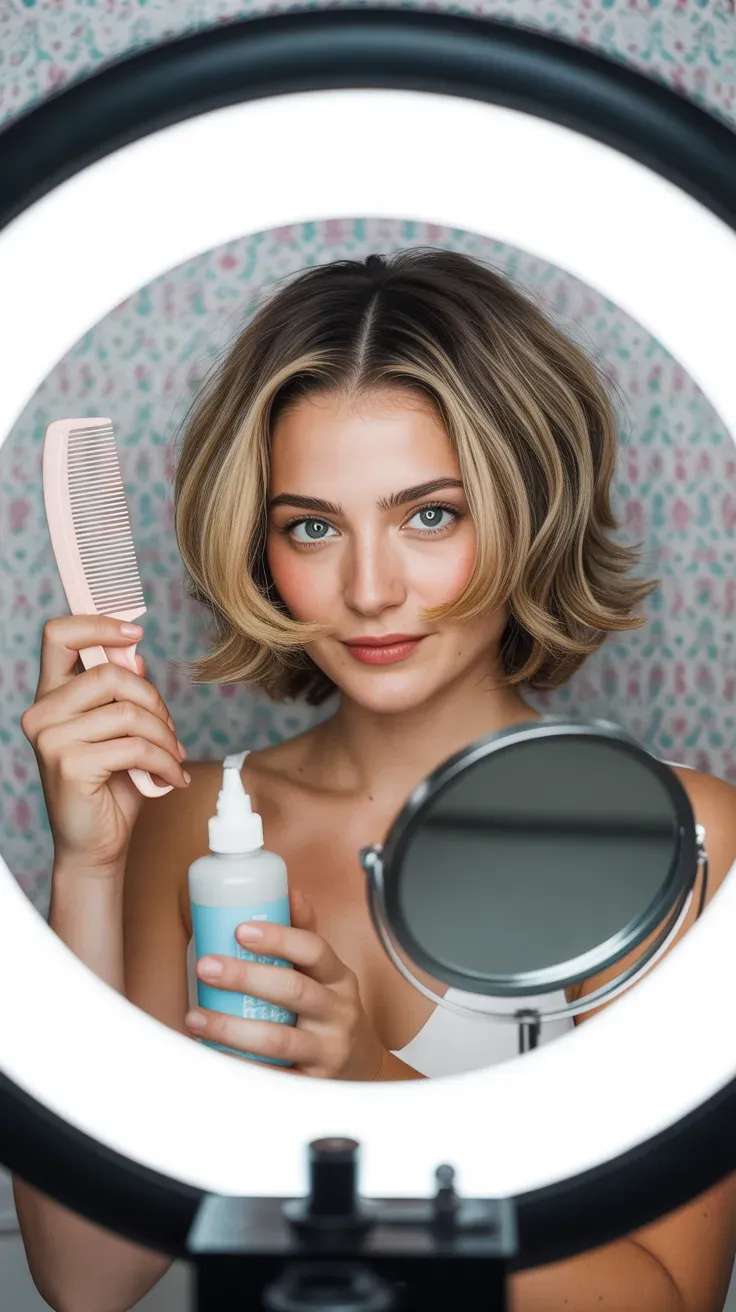
Why it works: This nostalgic flip style curls both ends slightly outward or inward at once, creating layered movement that makes each strand appear thicker and more defined. The playful flip also draws attention to shape and motion rather than density, which shifts focus away from thinness.
Ask for: At home, “set ends with velcro rollers for ten minutes, then release and finger-comb into place.”
26. Curly Choppy Bob
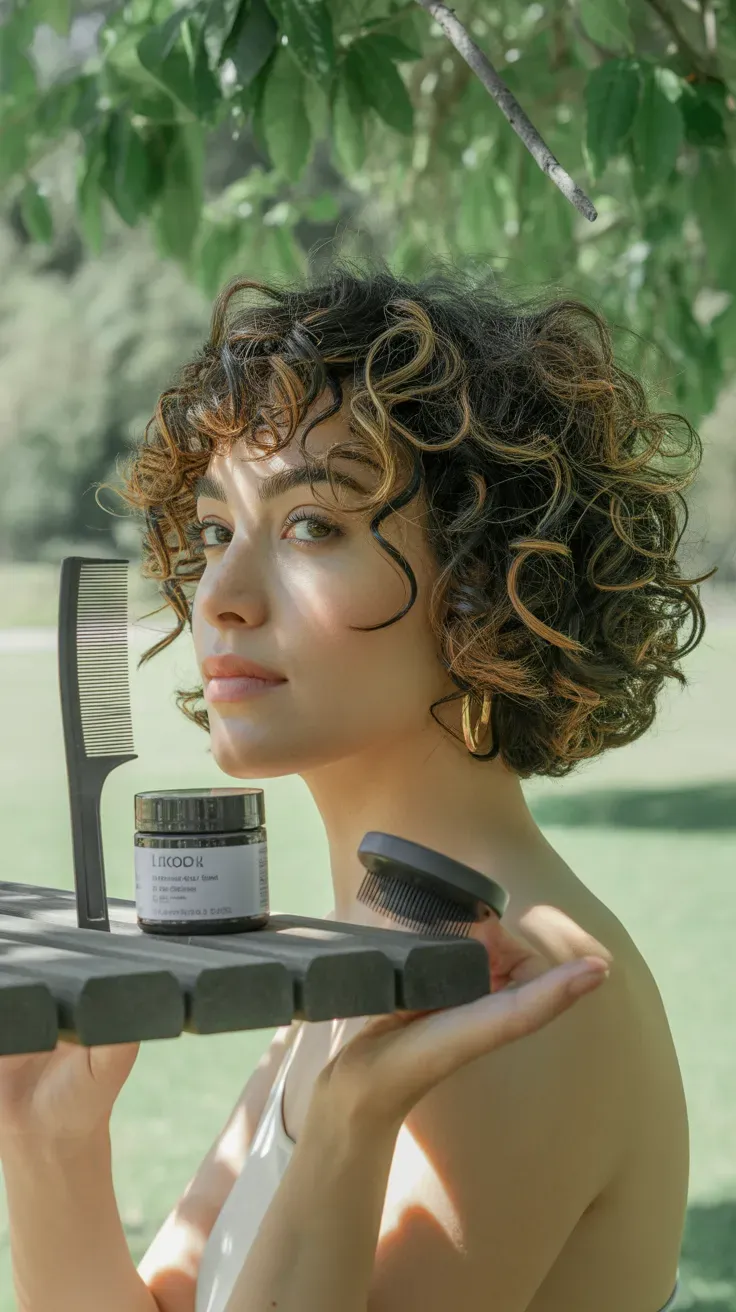
Why it works: Natural curl pattern already adds volume and spring that straight fine hair lacks, and cutting it into choppy layers lets each curl fall and bounce independently instead of clumping into one heavy mass. This gives the illusion of far more hair than actually exists on the head.
Ask for: Ask your stylist to “cut curl by curl, dry, rather than cutting the hair wet and straight.”
27. U-Shaped Choppy Bob
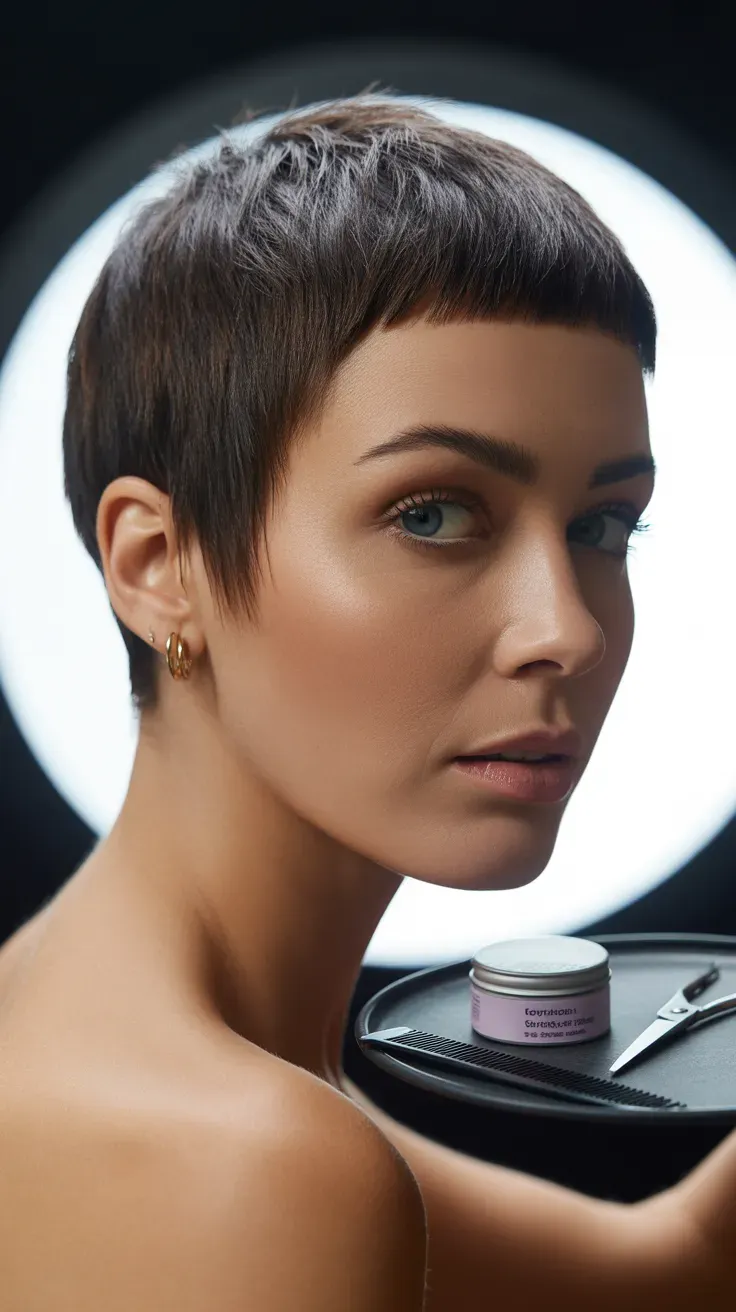
Why it works: The soft, rounded U-shape perimeter keeps the ends looking full and continuous rather than choppy in a way that reveals gaps, which works especially well for fine hair that shows thinning at sharp angles. This shape also flatters most face shapes since it curves gently rather than cutting a hard line.
Ask for: Ask for “a U-shaped perimeter cut with soft, rounded point-cutting, no hard angles at the ends.”
28. Ear-Length Cropped Choppy Bob
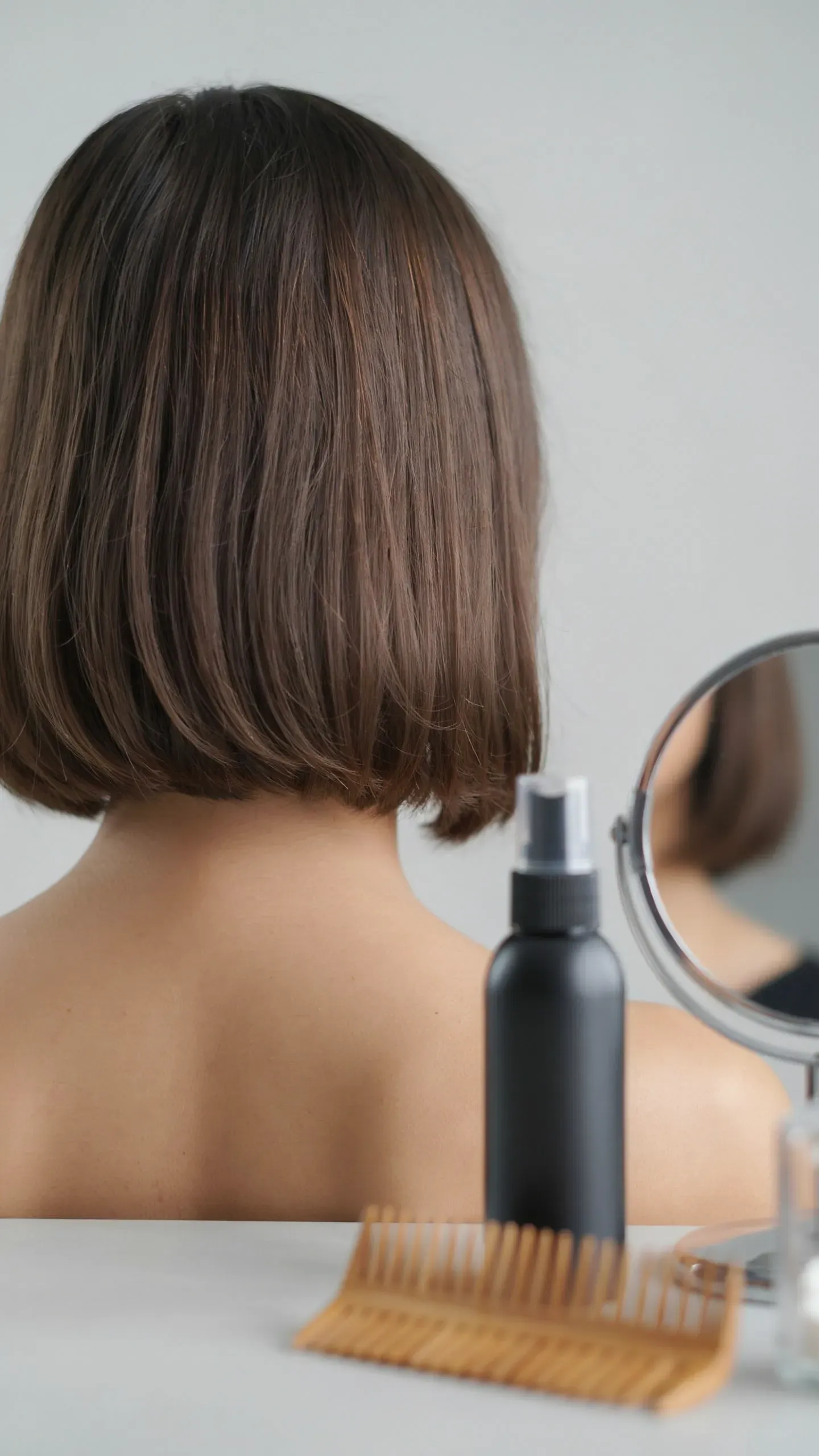
Why it works: The shortest option on this list, this cropped length carries the least weight of any style here, which means fine hair has the best chance of holding lift and texture all day long. The choppy, piecey finish adds edge and personality so the short length feels styled rather than simply thin.
Ask for: Ask for “an ear-length crop with heavy texturizing on top, kept short and light through the sides.”
FAQs
What’s the best everyday hairstyle for thin, fine hair? For everyday wear, a stacked choppy bob, an inverted choppy bob, or a jaw-length classic choppy bob tend to work best. All three build in layers or graduation that lift hair away from the scalp, which is the main thing thin, fine hair needs to look fuller without extra daily effort.
How to make thin, fine hair look fuller for everyday wear? Start by applying a lightweight volumizing spray to damp roots before blow-drying, since heavier products will weigh fine hair down. Dry with a round brush directed against the roots to build lift, and set your part slightly off-center or deep to one side, since a dead-center part tends to look flatter on thin hair.
Are updos good for thin, fine hair? Updos can work well for thin, fine hair, especially with a bob-length cut, since the shorter layers create texture that’s easier to pin and tease for extra volume at the crown. That said, very sleek, tight updos can sometimes reveal the scalp more than loose, textured styles, so a slightly undone updo with a bit of backcombing usually looks fuller than one pulled perfectly smooth.
Wrap-Up
Every one of these choppy bobs works the same basic way: shorter shape, softer ends, and volume placed exactly where thin, fine hair needs it most. Whether you lean toward a sleek chin-length cut or a tousled, wavy version, the right choice really comes down to how much styling time you want to spend and what fits your everyday routine best.