
Fine wavy hair sits in an awkward middle ground — too much texture to behave like straight hair, but not enough thickness for waves to hold their shape without help. It’s easy to end up with a style that looks great right after styling and falls apart within an hour, leaving you back at square one.
The fix isn’t fighting the wave pattern, it’s working with it through the right cut and a little technique. With a few adjustments, your natural texture can look intentional and full instead of limp. Here are 25 hairstyles chosen to bring out the best in fine, wavy hair.
1. Layered Lob for Wavy Fine Hair
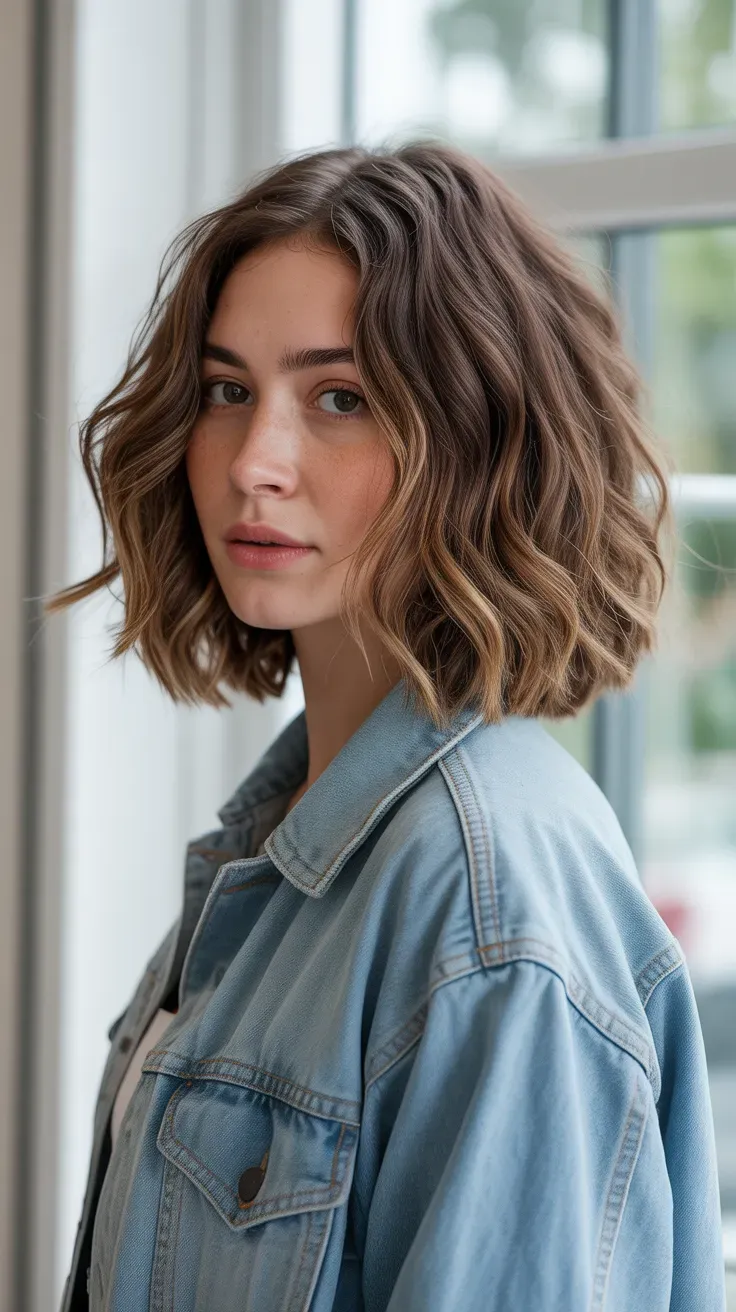
Why it works: Layering a long bob lets each wave move independently instead of clumping into one heavy section, which keeps fine waves looking full rather than stringy. The shorter length also reduces the weight pulling the wave pattern out.
Ask for: Ask for “long layers cut to follow the natural wave pattern, starting at the chin.”
2. Wavy Shag with Curtain Bangs
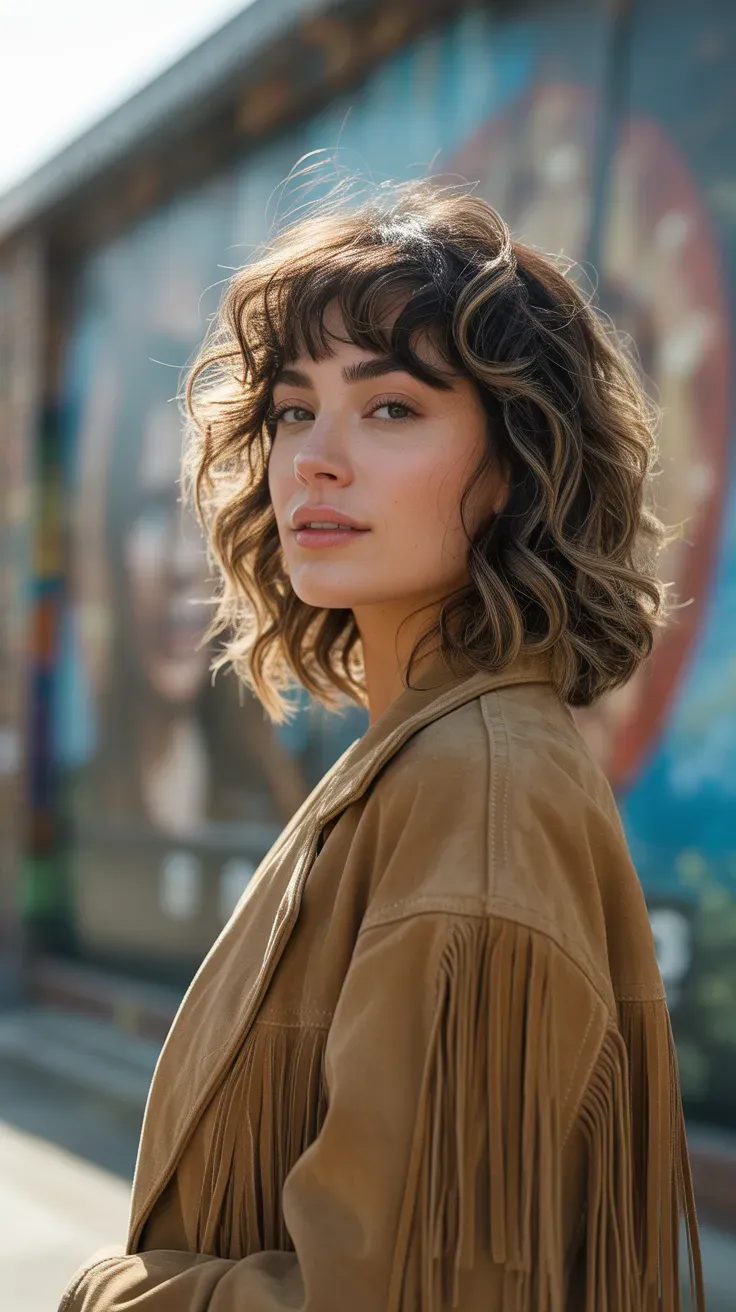
Why it works: A shag’s heavy layering breaks up the wave into smaller sections that hold their shape better than one long, continuous piece of hair. Curtain bangs blend into that same texture, so they never look like a flat, separate section.
Ask for: Ask for “shag layering that follows the wave pattern, with curtain bangs left slightly longer.”
3. Beachy Waves Bob
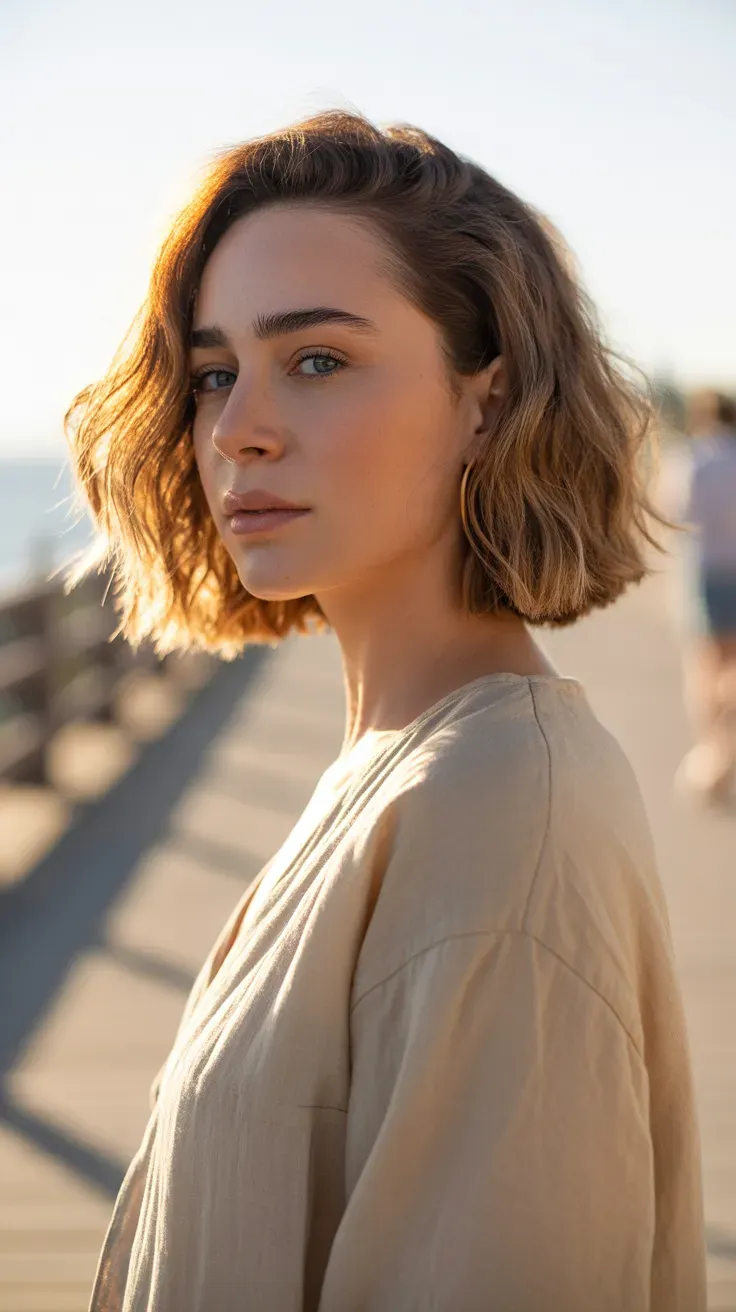
Why it works: Keeping the bob at shoulder length gives fine waves just enough weight to hold a soft shape without dragging them completely straight. A texturizing spray enhances the natural pattern instead of forcing a curl the hair can’t sustain.
Ask for: Mist a texturizing spray through damp hair, scrunch gently, and let it air-dry or diffuse on low heat.
4. Wavy Pixie Cut
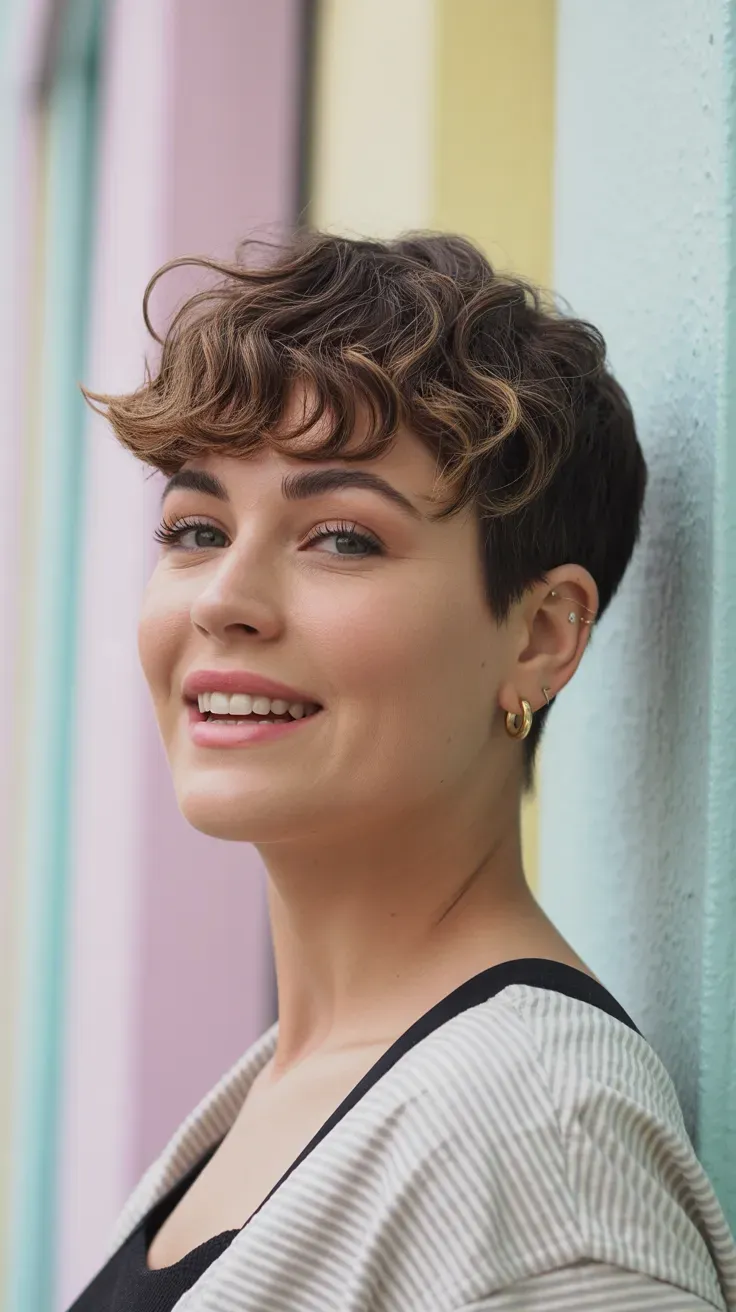
Why it works: Short hair gives fine waves the least distance to travel before they can spring back into shape, which means the texture holds far longer than it would at length. The pixie length also naturally lifts at the crown, adding volume the wave pattern alone can’t provide.
Ask for: Ask for “a pixie cut with the natural wave pattern left intact, minimal thinning shears used.”
5. Long Layered Waves
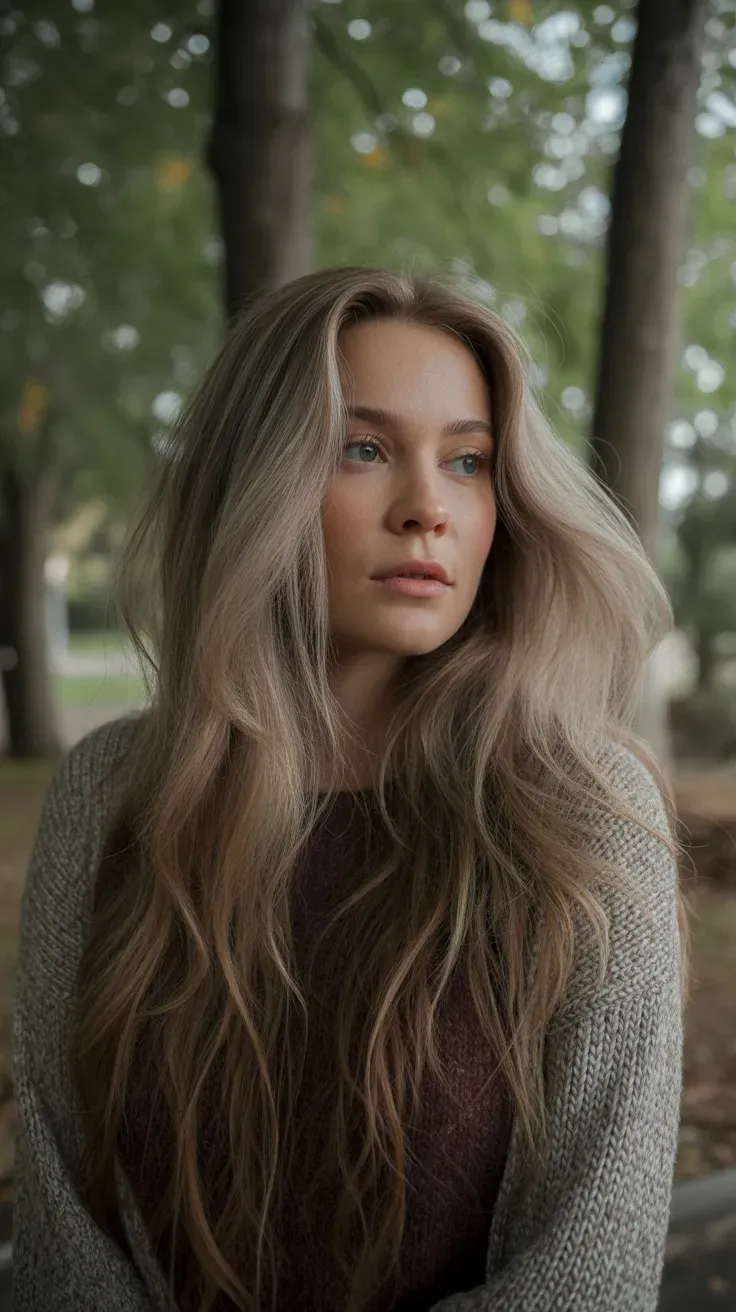
Why it works: Layering long hair removes just enough weight to let the natural wave show through without cutting off the length. Without any layers, long fine hair often stretches into a limp, barely-there wave from its own weight.
Ask for: Ask for “long layers starting below the shoulder, cut while the hair is dry so the wave pattern is visible.”
6. Wavy Bob with Side Part
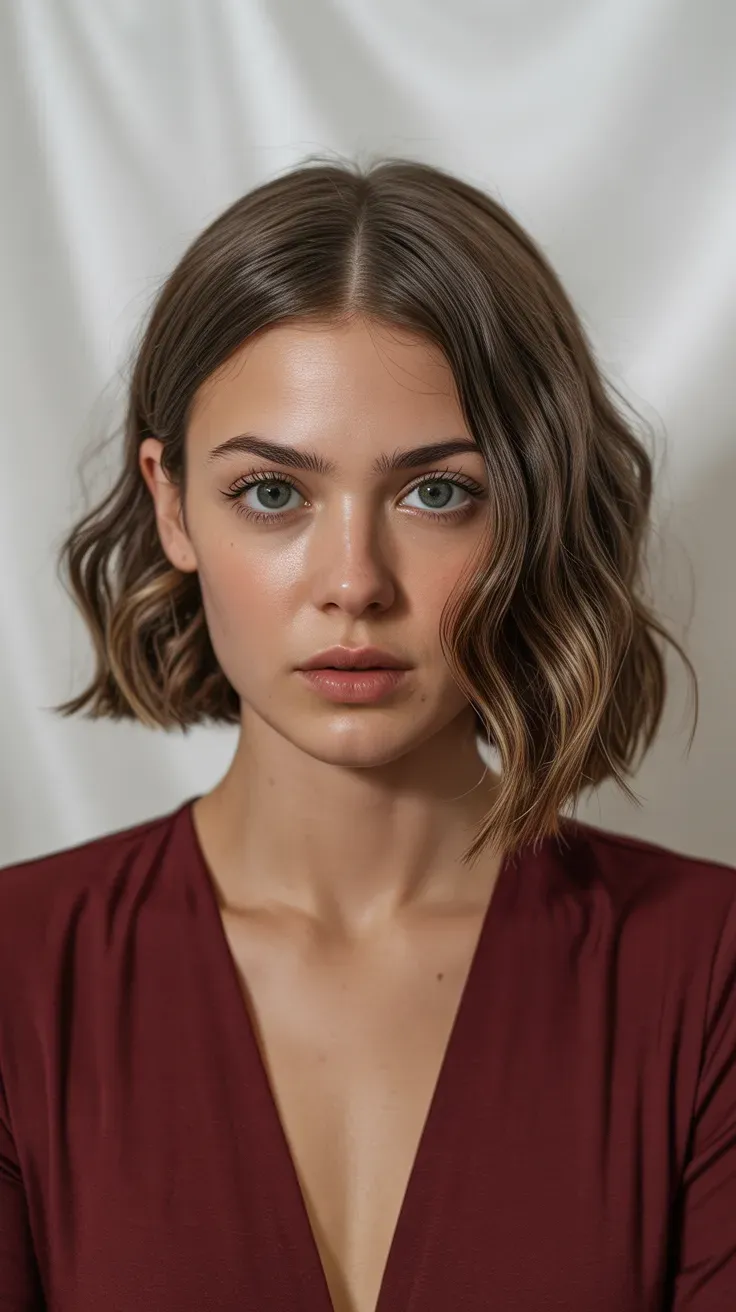
Why it works: A deep side part piles more hair on one side, giving fine waves a natural boost of volume right at the root. The bob length keeps the waves from stretching out under their own weight throughout the day.
Ask for: Ask for “a side part cut into the bob so the waves fall asymmetrically on purpose.”
7. Half-Up Wavy Style
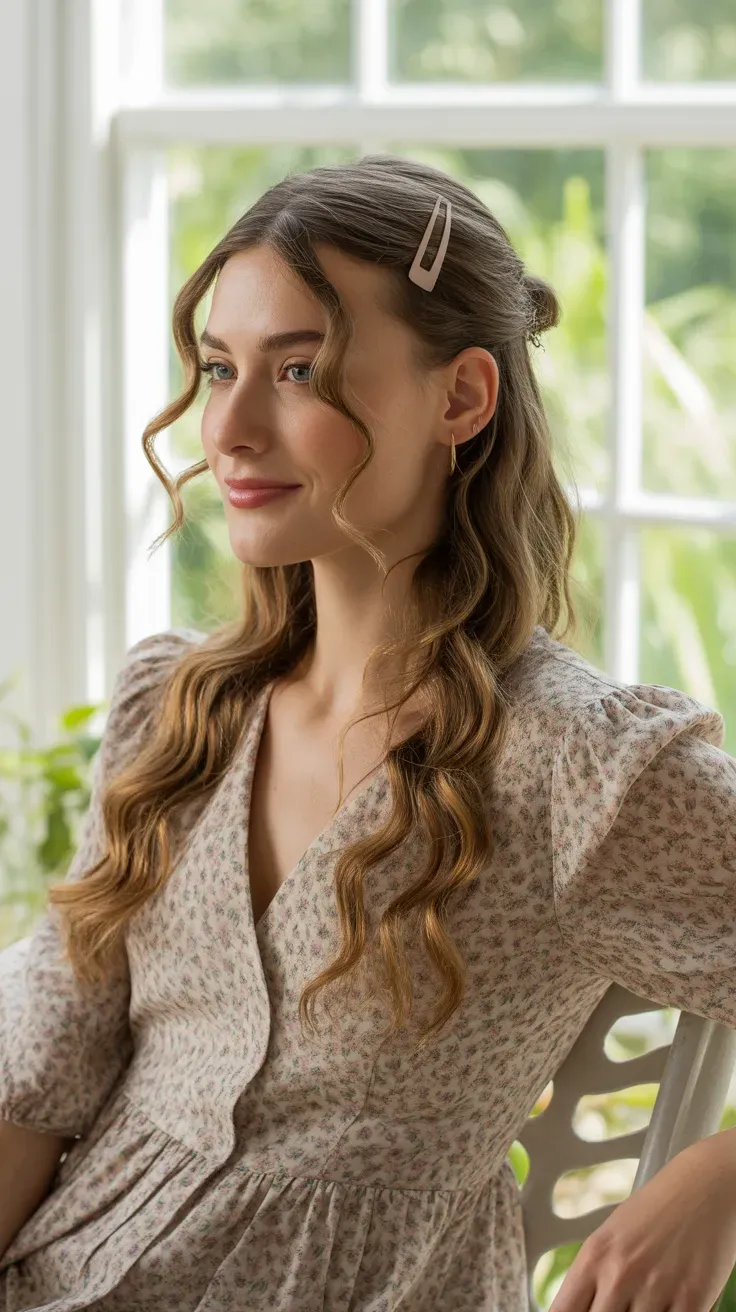
Why it works: Pulling back the top section lifts the crown while the loose waves underneath keep their natural movement without added pressure. This is one of the quickest ways to add shape to fine wavy hair on busy days.
Ask for: Gather the top two inches of hair, twist once, and secure with a small clip.
8. Wavy Crop with Wispy Bangs

Why it works: A short crop lets fine waves spring up close to the scalp instead of stretching down, while wispy bangs stay light enough not to weigh down the front. The combination keeps the whole style airy rather than flat.
Ask for: Ask for “a wavy crop with feathered, point-cut bangs left slightly longer at the sides.”
9. Diffused Wavy Curls

Why it works: Diffusing dries the wave pattern gently from the root, which builds volume as it sets rather than weighing the hair down the way regular blow-drying can. This method also causes far less frizz than towel-drying or air-drying without product.
Ask for: Scrunch a lightweight mousse into damp hair, then diffuse on low heat while lifting toward the scalp.
10. Wavy Lob with Face-Framing Layers
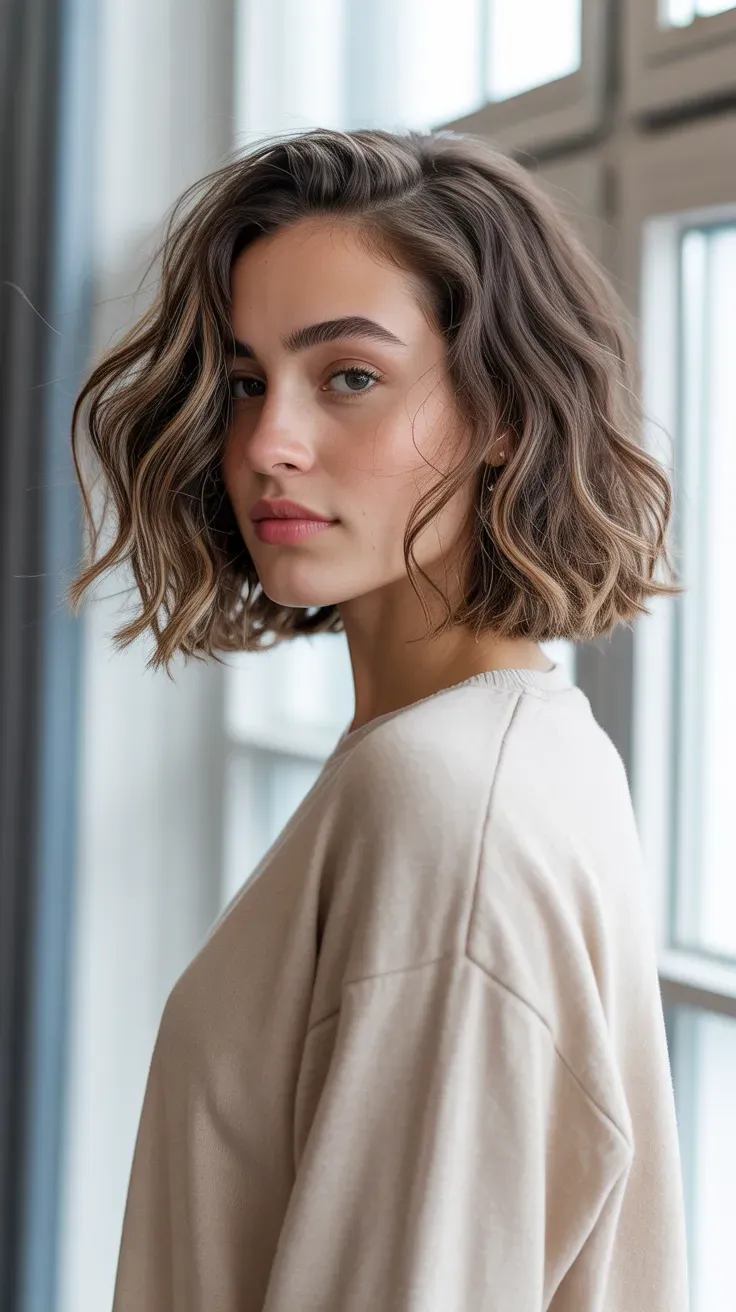
Why it works: Shorter layers around the face let the wave pattern show off its shape exactly where it’s most visible, while the rest of the length stays fuller for balance. This is a versatile option that works for both casual and dressier days.
Ask for: Ask for “face-framing layers starting at the jaw, cut to follow the natural wave.”
11. Braided Wavy Half-Up
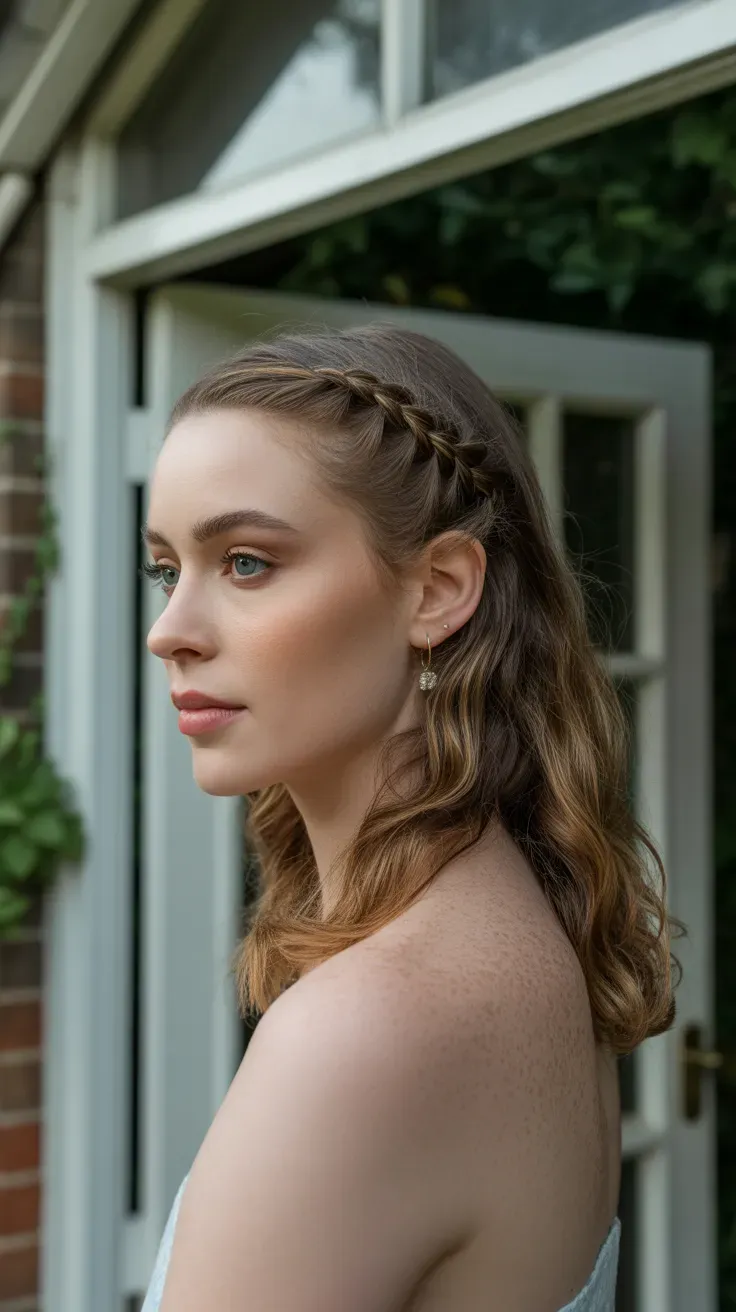
Why it works: A thin braid pulled back adds texture and structure without requiring enough hair for a full braided style, which suits finer strands well. The waves left down keep the overall look soft rather than overly done.
Ask for: Braid a one-inch section from the crown and pin it back, leaving the rest of the waves loose.
12. Wavy Shag with Micro Bangs
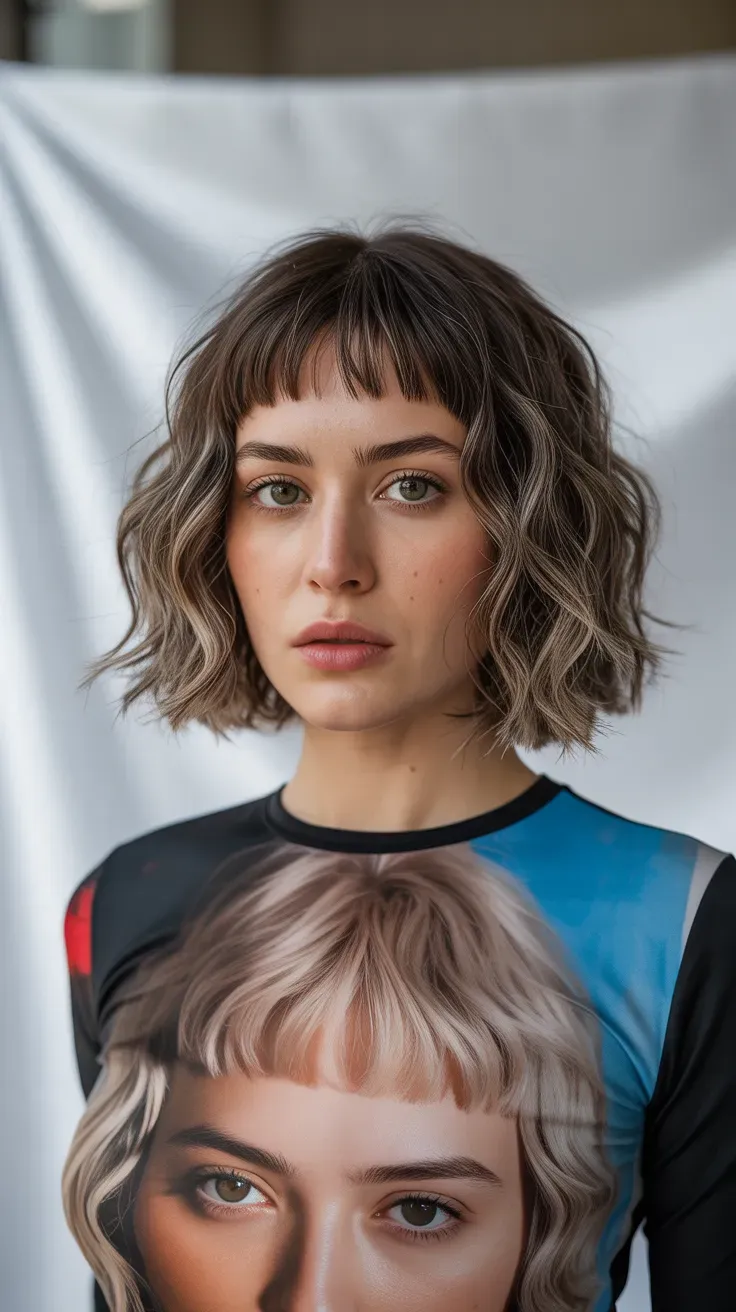
Why it works: Micro bangs add a small dense block of hair up front that balances the looser, wavier layers throughout the rest of the shag. This bolder combination suits fine wavy hair that wants more visual structure.
Ask for: Ask for “micro bangs cut dry, just above the brow, paired with shag layering throughout.”
13. Sleek Wavy Ponytail
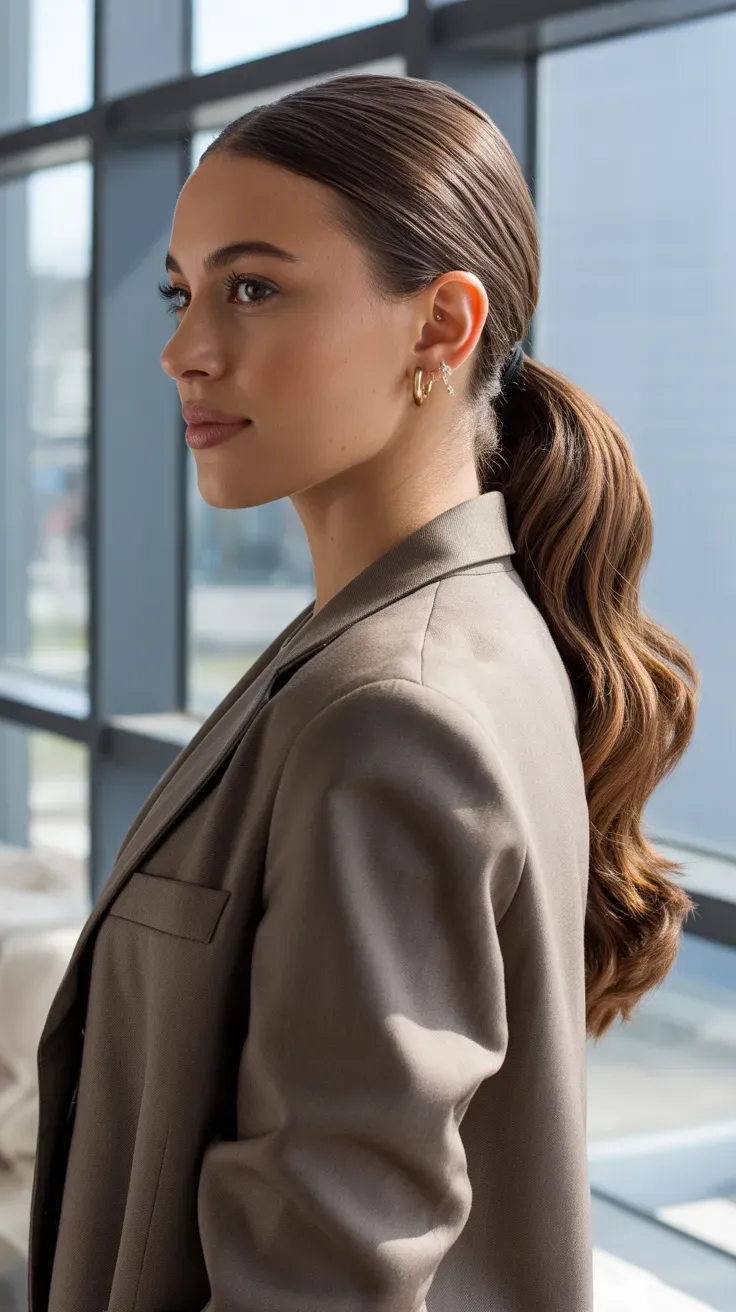
Why it works: Smoothing the top section back into a low ponytail controls flyaways at the root while letting the natural wave show through in the length left hanging. It’s a tidy option that still lets the texture do the work.
Ask for: Smooth the crown with a boar-bristle brush before securing a low ponytail, then let the ends wave naturally.
14. Wavy Bob with Root Volume
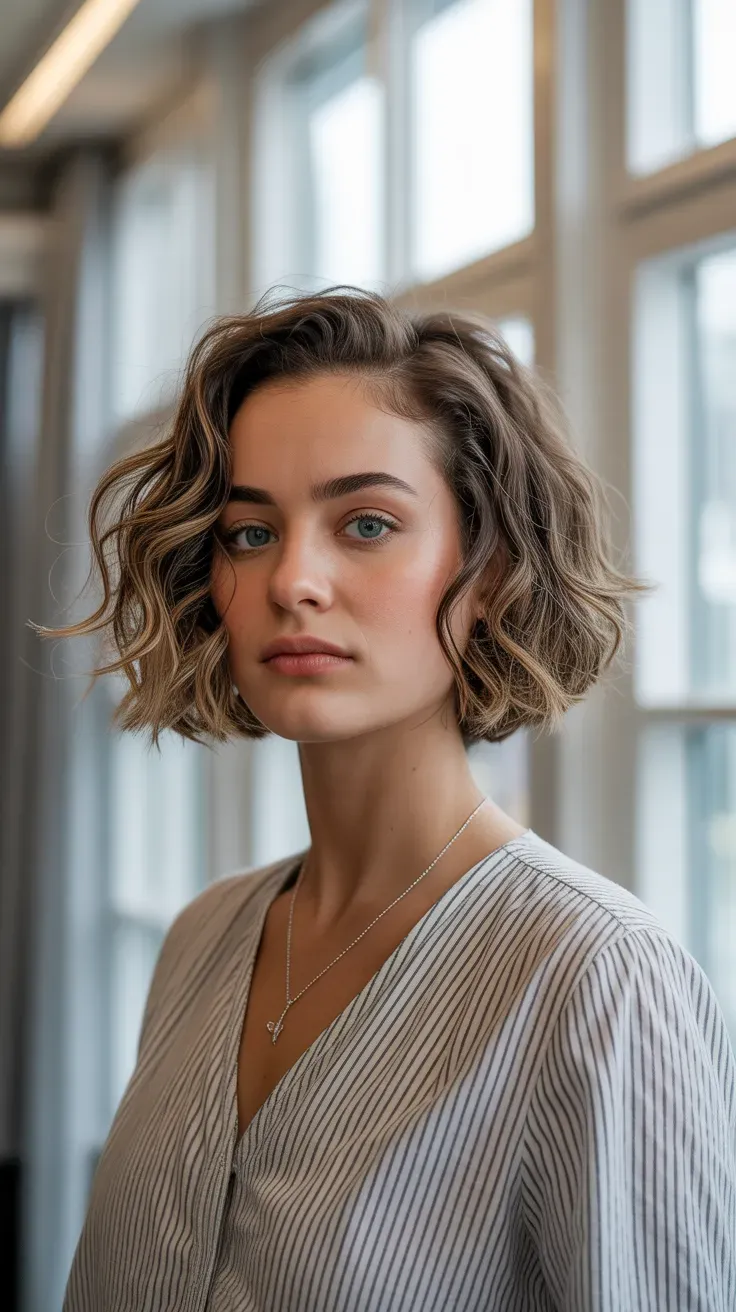
Why it works: Lifting only the roots while leaving the wave pattern untouched through the length gives the illusion of a fuller head of hair without disturbing the natural texture. This combination is especially useful for hair that’s wavy through the ends but flat at the crown.
Ask for: Spray a lightweight volumizing mist at the roots only, then scrunch the length to reset the wave.
15. Twisted Wavy Updo
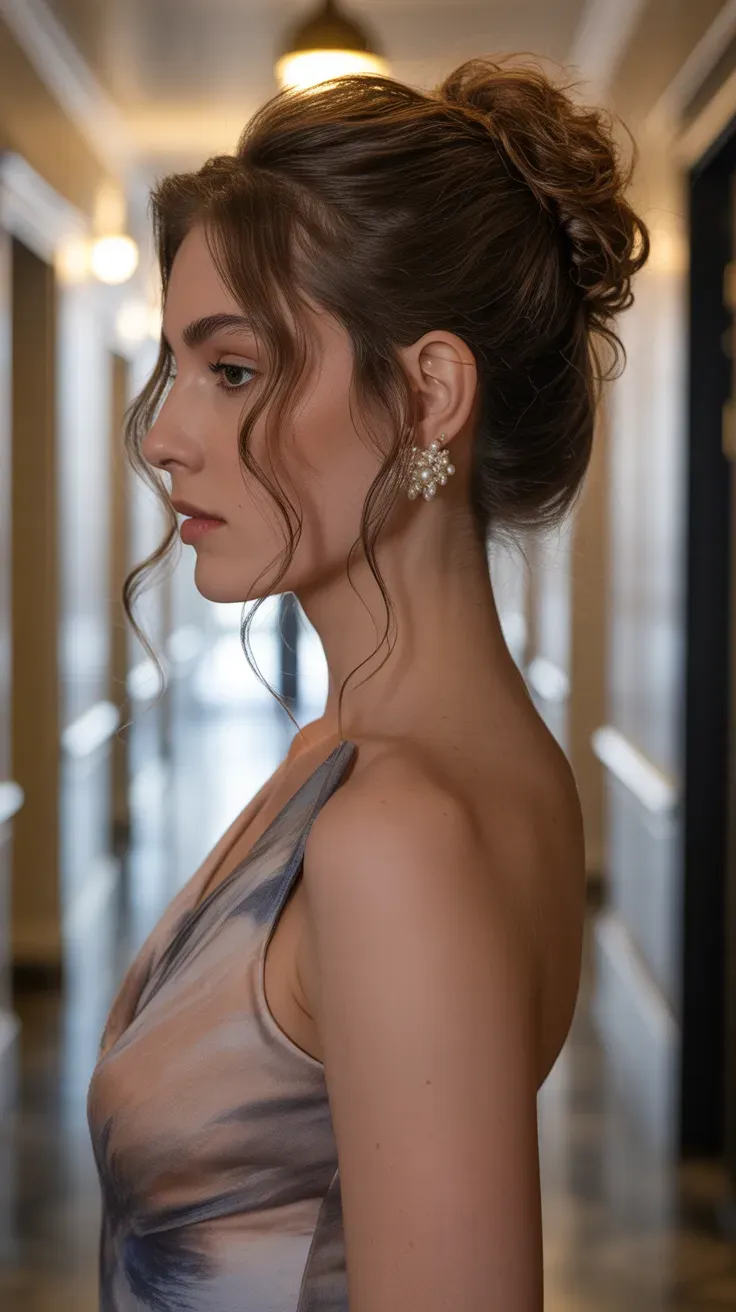
Why it works: Twisting the hair up rather than pulling it smooth preserves some of the natural wave within the updo itself, avoiding the flat look a slicked-back style can give fine hair. The loose, wavy tendrils around the face soften the overall shape.
Ask for: Twist sections loosely before pinning them up, and leave a few wavy pieces out around the hairline.
16. Wavy Hair with Headband
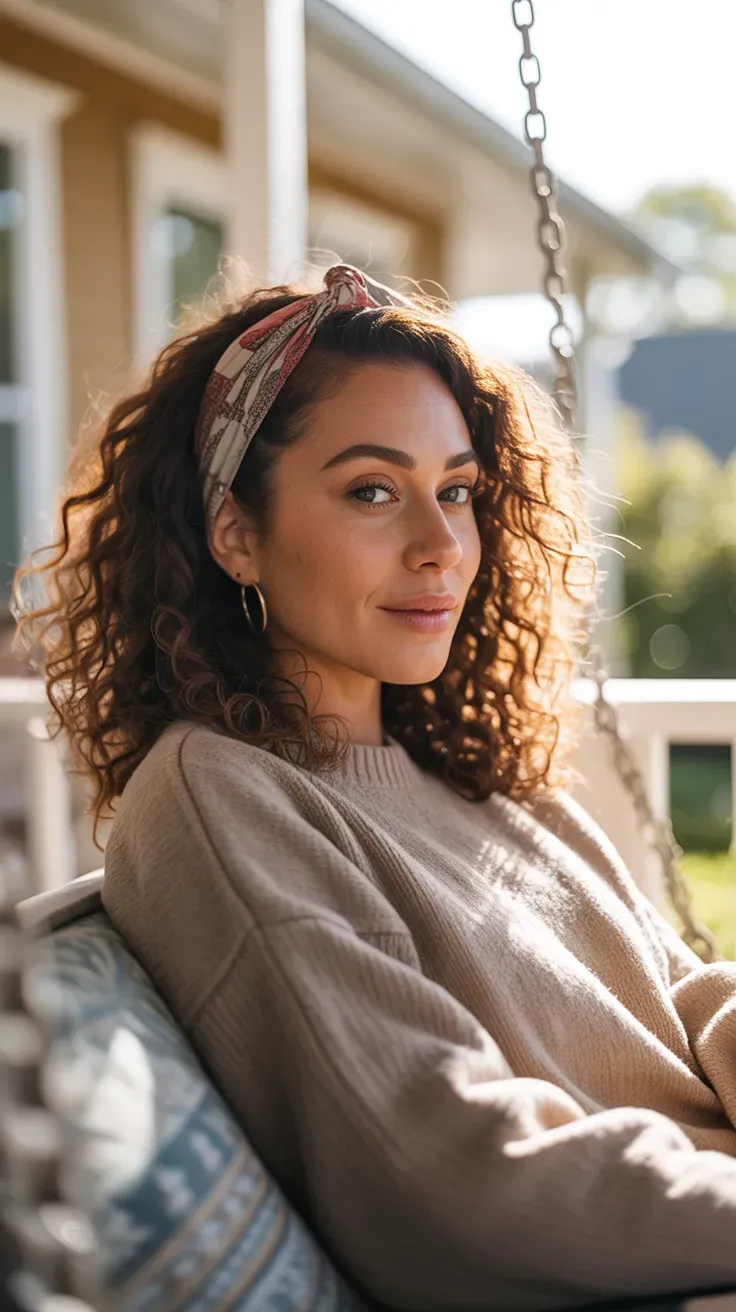
Why it works: A headband holds the front section back without flattening the crown the way a tight clip would, keeping the natural wave visible everywhere else. It’s an effortless styling option for days when you want texture without extra effort.
Ask for: Push the headband back just behind the hairline over freshly scrunched, air-dried waves.
17. Wavy Layered Crop
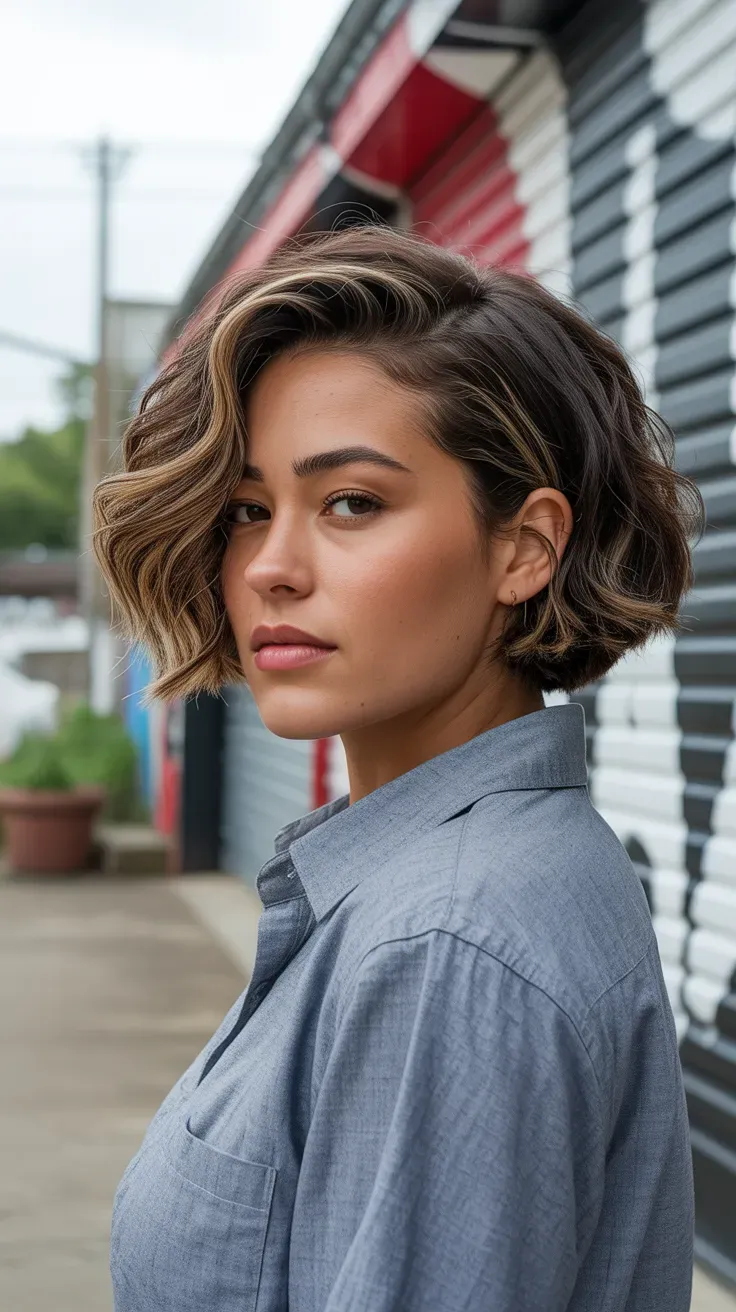
Why it works: Layering a crop specifically for wave pattern gives each section room to curl independently instead of being weighed down by the hair around it. Short length also means the wave never has far enough to travel before it loses shape.
Ask for: Ask for “a layered crop cut dry so each layer’s wave pattern can be seen and adjusted.”
18. Wavy Bob with Deep Side Part
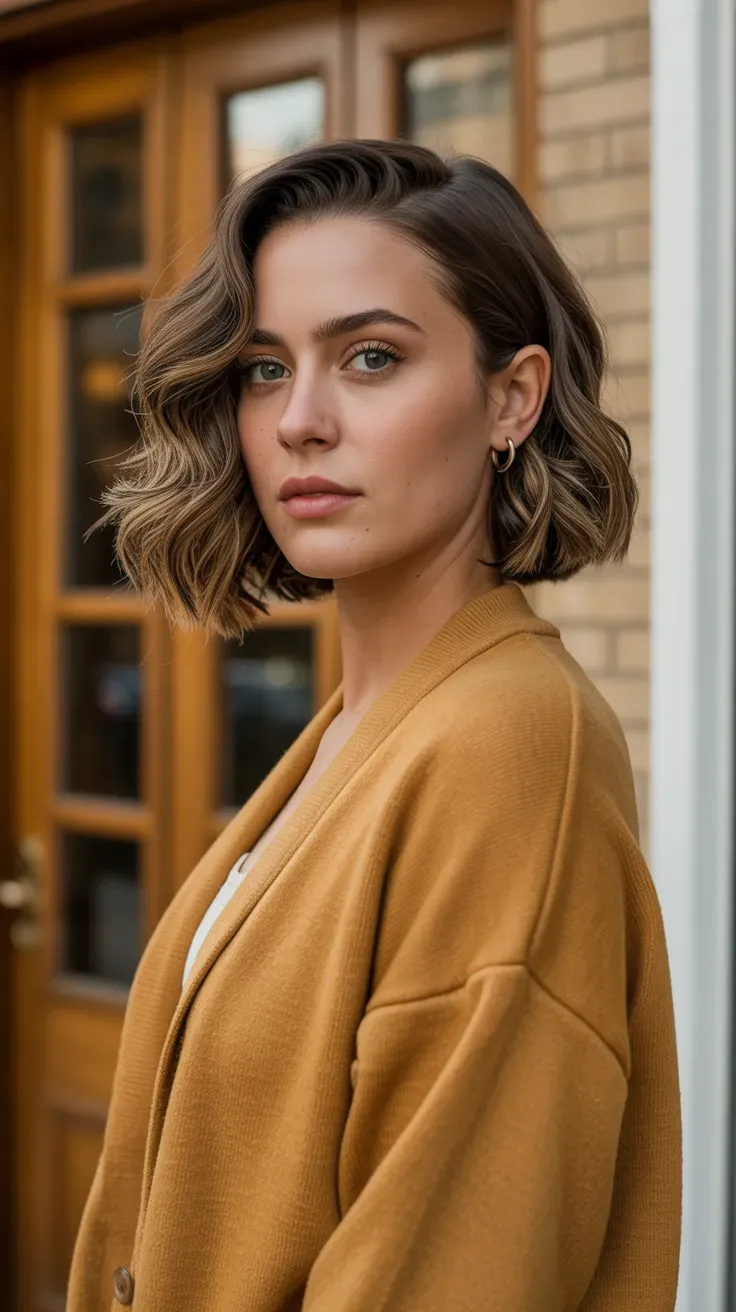
Why it works: An especially deep part exaggerates the volume difference between the two sides, making the fuller side look noticeably thicker than an even, centered part would. It pairs naturally with wavy texture since the hair already wants to fall unevenly.
Ask for: Ask your stylist to cut the bob to fall naturally along a deep side part.
19. Soft Wavy Chignon
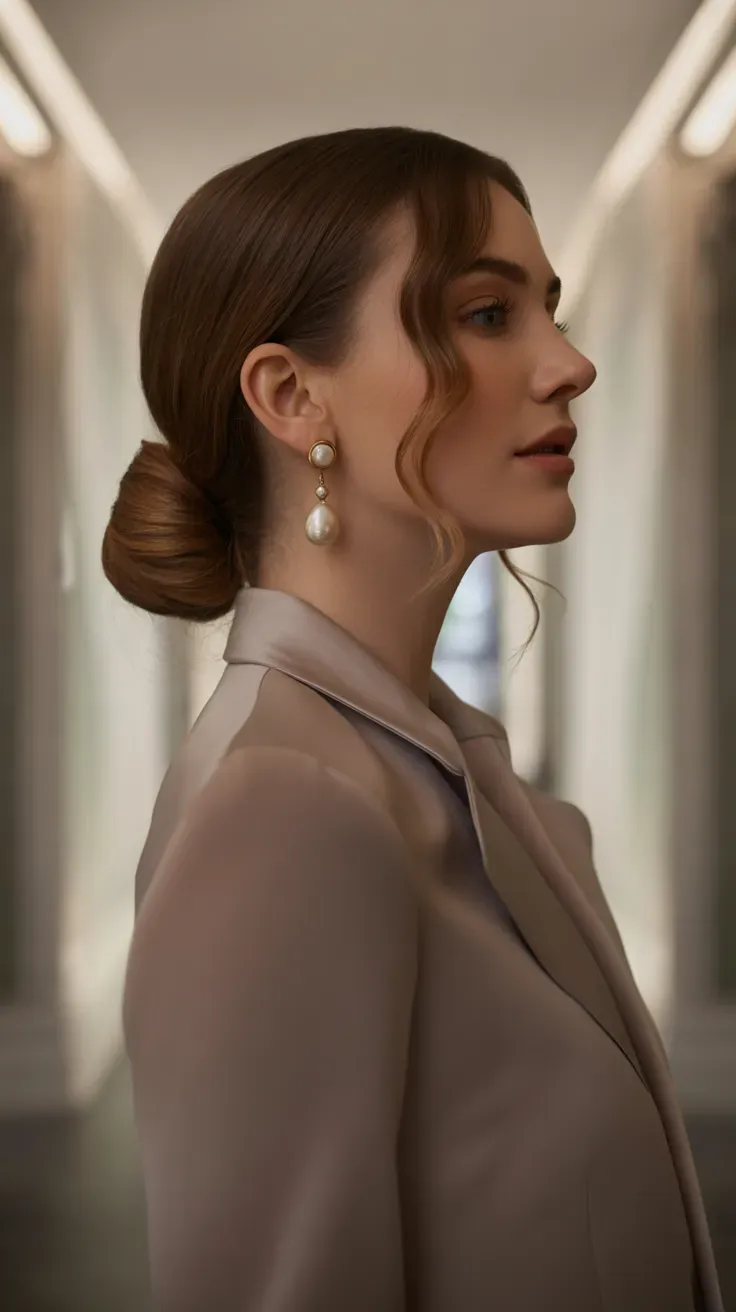
Why it works: Gathering the hair loosely into a low chignon and leaving a few wavy pieces out avoids the thin, stretched look a tightly pulled bun can give fine hair. The natural wave in the loose pieces keeps the style from looking too severe.
Ask for: Twist the hair loosely at the nape, secure with pins, then pull a few wavy strands loose around the face.
20. Wavy Hair with Texturizing Spray Finish
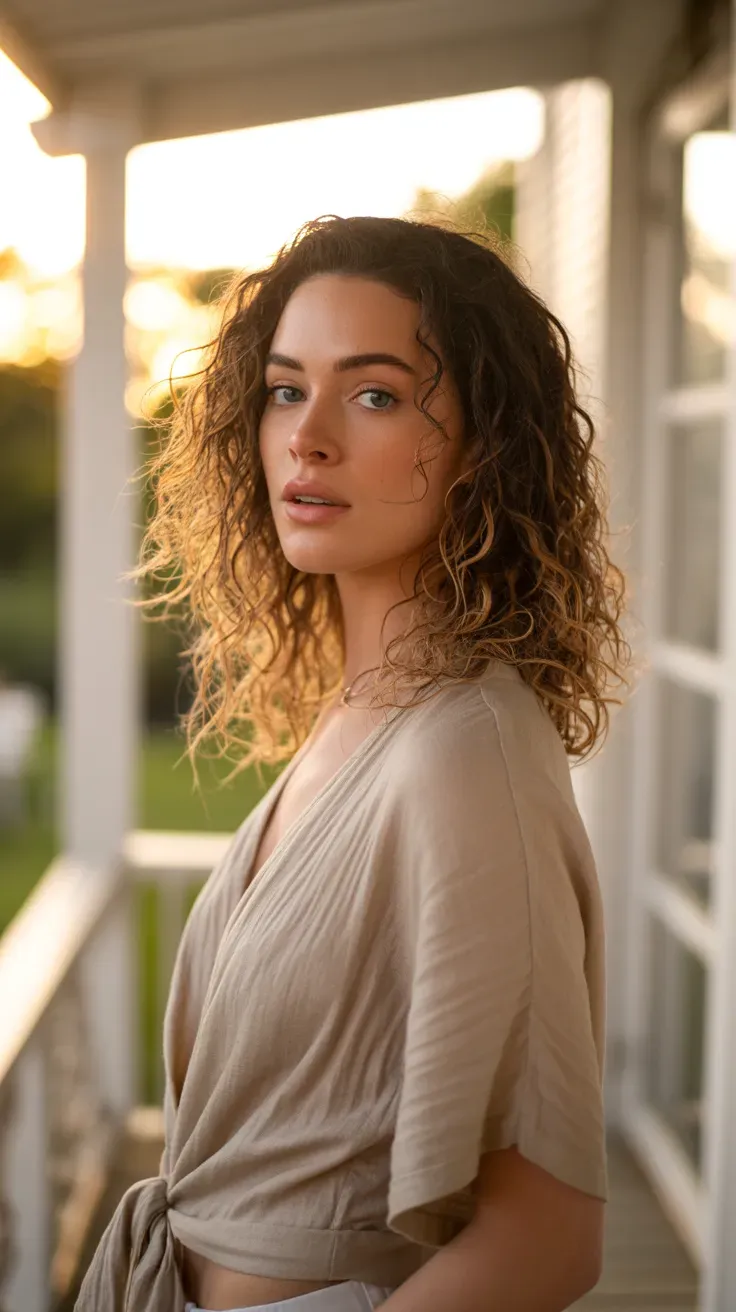
Why it works: A light texturizing spray adds just enough grip to the strands for the natural wave to hold its shape through the day instead of loosening out. Unlike heavier products, it won’t weigh down fine hair or make it look greasy.
Ask for: Mist texturizing spray through dry hair and scrunch gently from the ends upward.
21. Wavy Shag with Long Layers
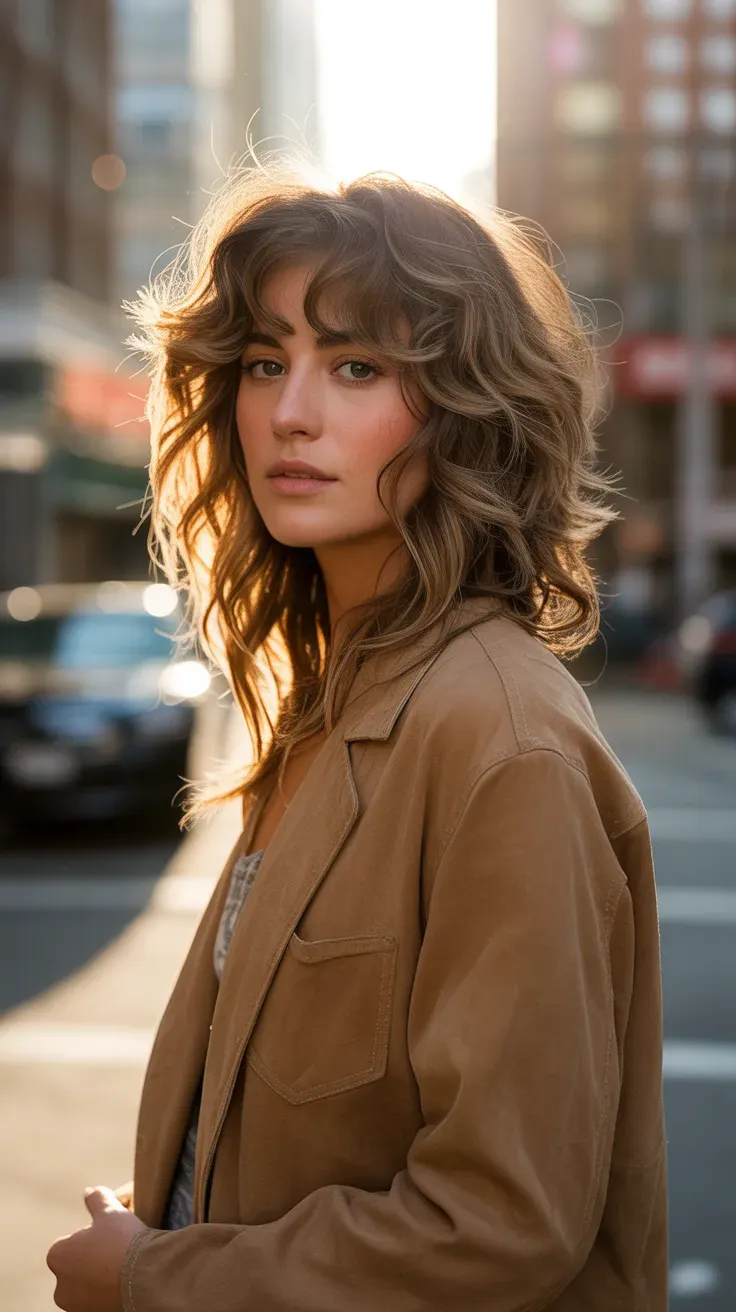
Why it works: Long layers spread throughout a shag give fine wavy hair the movement it needs at length, since one solid mass of hair would otherwise weigh the wave straight. This version keeps length while still delivering real texture.
Ask for: Ask for “long shag layers cut to enhance the natural wave, heaviest around the face.”
22. Wavy Pixie with Side Fringe
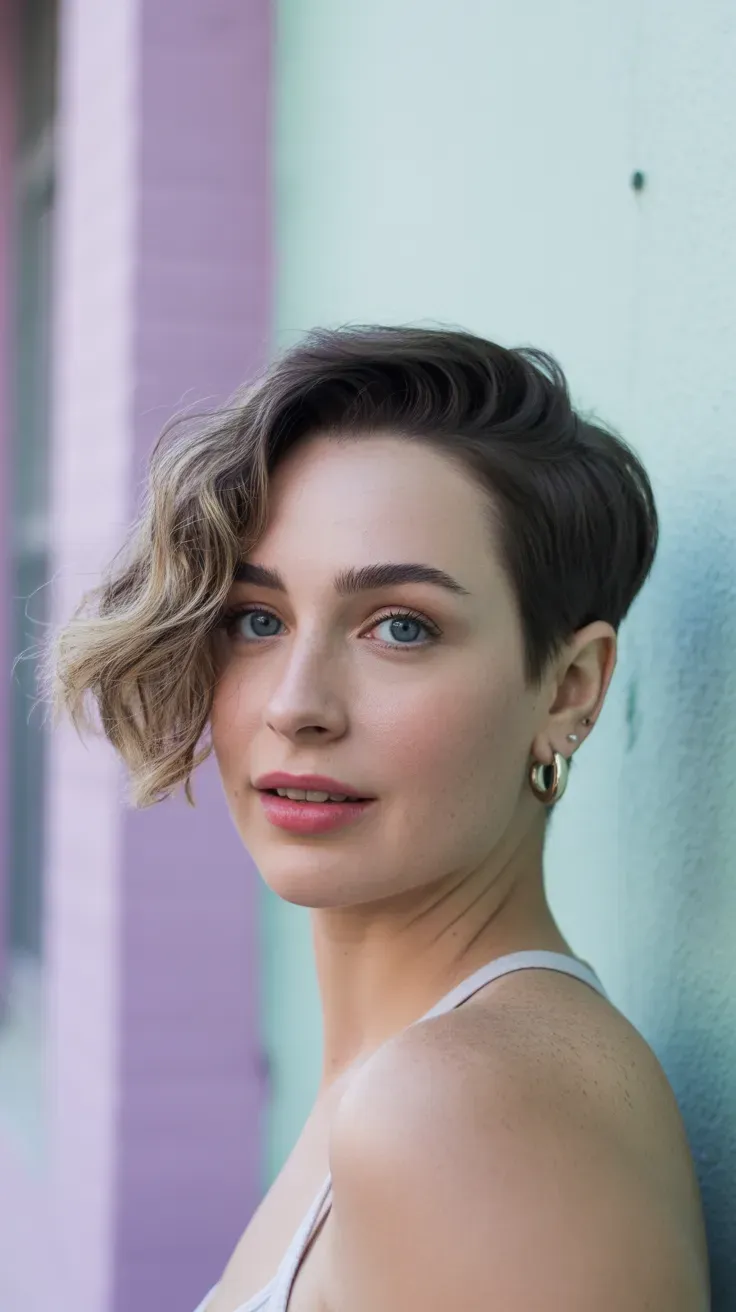
Why it works: Sweeping the fringe to the side rather than cutting it straight across lets the natural wave pattern continue uninterrupted across the whole style. This keeps a short pixie looking cohesive rather than having one flat, separate section.
Ask for: Ask for “a wavy pixie with the fringe swept to match the direction of the natural part.”
23. Wavy Top Knot
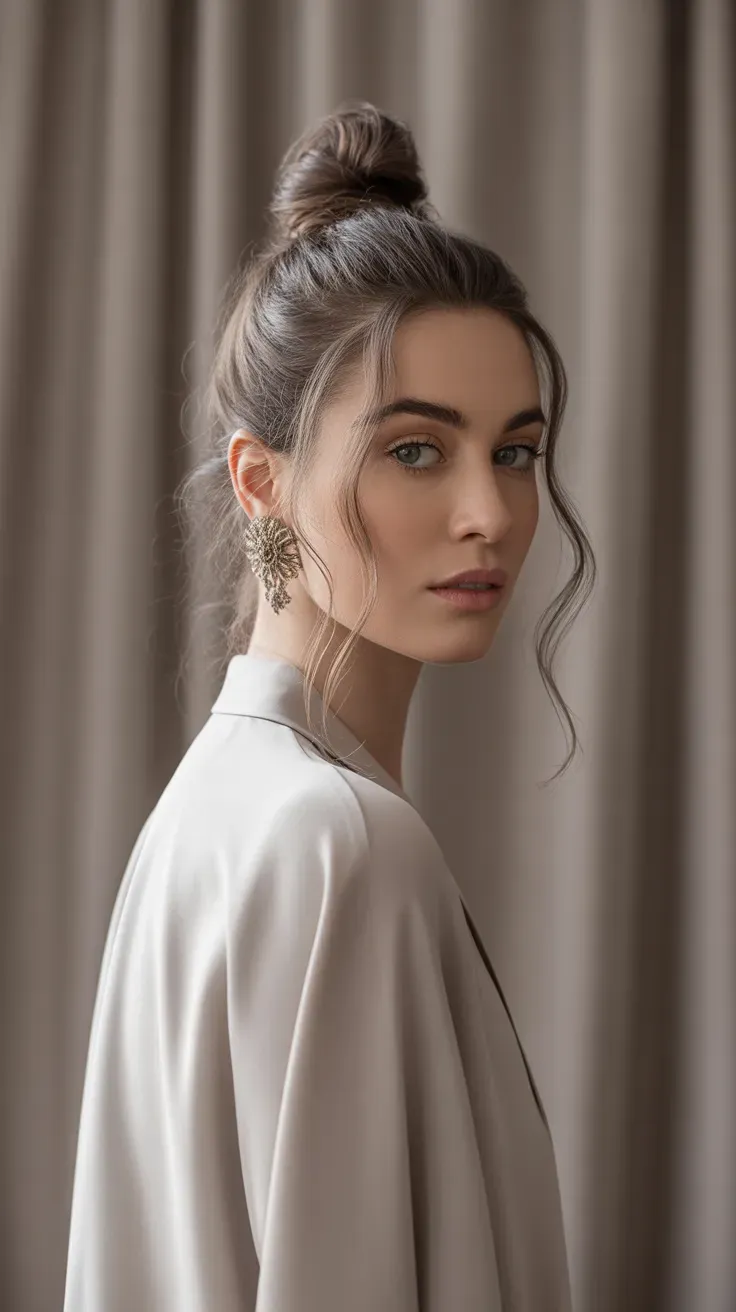
Why it works: Piling the hair loosely rather than pulling it tightly keeps the wave pattern visible even once it’s gathered up, avoiding the flat, thin look a smooth bun gives fine hair. A few loose pieces at the front continue that texture down onto the face.
Ask for: Twist the ponytail loosely into a knot without brushing out the natural wave first.
24. Wavy Bob with Curtain Bangs

Why it works: Curtain bangs that follow the same wave pattern as the rest of the bob look intentional rather than like an added-on piece, keeping the whole style cohesive. They also soften the forehead while letting the natural texture do most of the styling work.
Ask for: Ask for “curtain bangs cut to move with the natural wave rather than blow-dried straight.”
25. Wavy Hair with Natural Air-Dry Finish

Why it works: Letting hair air-dry without heat preserves the natural wave pattern at its fullest, since heat styling tends to loosen and stretch out fine texture over time. A lightweight leave-in product applied to damp hair helps the waves clump together for extra definition.
Ask for: Apply a small amount of leave-in cream to damp hair, scrunch gently, and avoid touching it again until fully dry.
FAQs
What’s the best hairstyle for fine wavy hair? A layered lob, a wavy shag with curtain bangs, or a wavy bob with root volume tend to work best, since each is cut specifically to let the natural wave show through without stretching it flat.
How to make fine wavy hair look fuller? Lift only the roots with a lightweight volumizing spray, scrunch a light mousse or texturizing product into damp hair rather than brushing it, and consider a diffuser instead of straight blow-drying so the natural clumping pattern stays intact.
Are updos good for fine wavy hair? Yes, especially loose twists and low chignons — a tightly pulled, smooth updo can look thin, but leaving in some natural wave and a few loose pieces around the face keeps the style looking full.
Wrap-Up
Fine wavy hair looks its best when the cut and styling work with the texture instead of trying to smooth it away, keeping the shape soft, full, and naturally placed. Choose the option that suits how much time you have and the look you’re going for, and let your personal preference guide the rest.