
Fine hair often looks its thinnest in the exact styles meant to show off length, since long, one-length hair has nothing to break it up or give it shape. The wolf cut — a shaggy, heavily layered style with roots in both the shag and the mullet — was practically made to solve that problem, but it’s easy to wonder which version actually suits thinner strands.
You don’t need drastic, choppy chunks all over to get the look right. With the right layering pattern, a wolf cut can build real volume at the crown and movement through the ends without sacrificing length. Here are 28 wolf cut variations chosen specifically to add body and texture to fine hair.
1. Classic Short Wolf Cut with Curtain Bangs

Why it works: Short, choppy layers throughout the crown remove the weight that flattens fine hair, letting each layer stand up independently for real volume. Curtain bangs add a soft frame around the face without the bulk of a full fringe.
Ask for: Ask for “a short wolf cut with heavy layering at the crown and center-parted curtain bangs.”
2. Long Wolf Cut with Wispy Layers
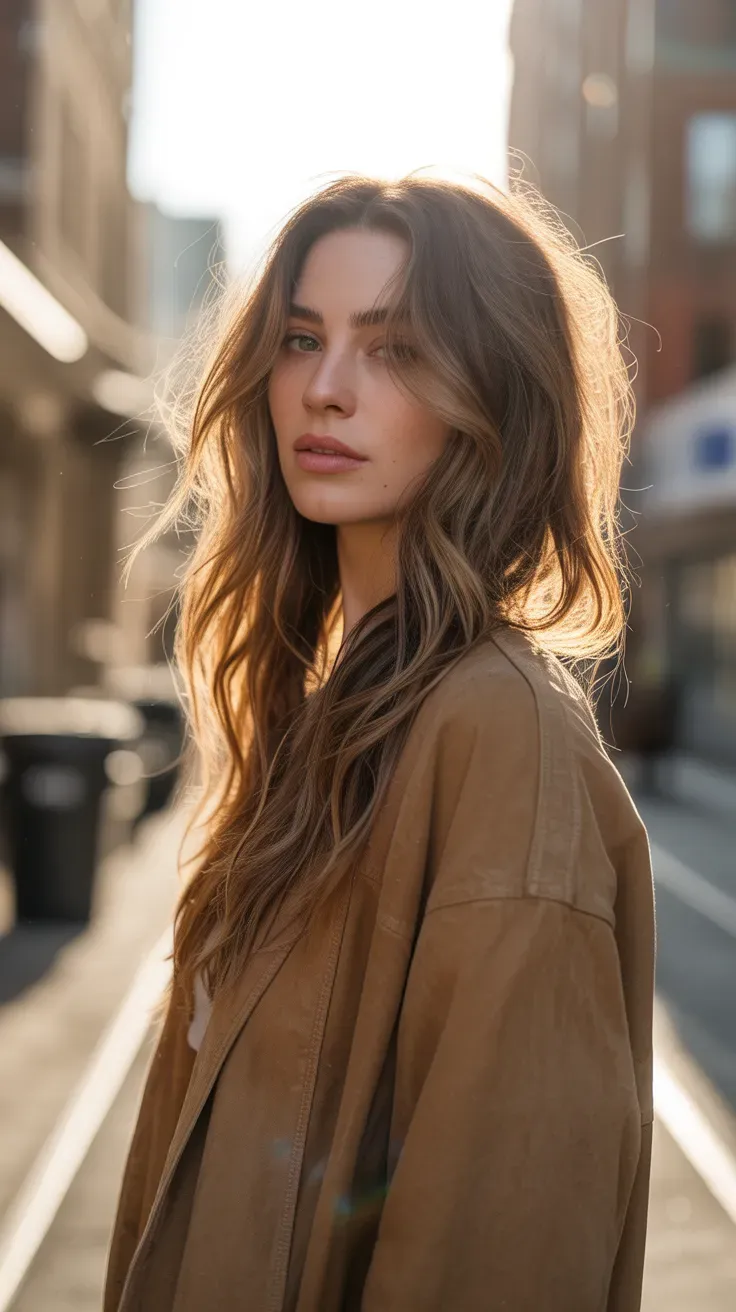
Why it works: Feathered, wispy layers spread throughout longer hair break up the heaviness that makes fine hair look stringy at length. Each layer catches light differently, which visually adds density even though the hair itself stays fine.
Ask for: Ask for “long wispy layers cut with a razor throughout, heaviest around the face.”
3. Wolf Cut Bob with Choppy Ends
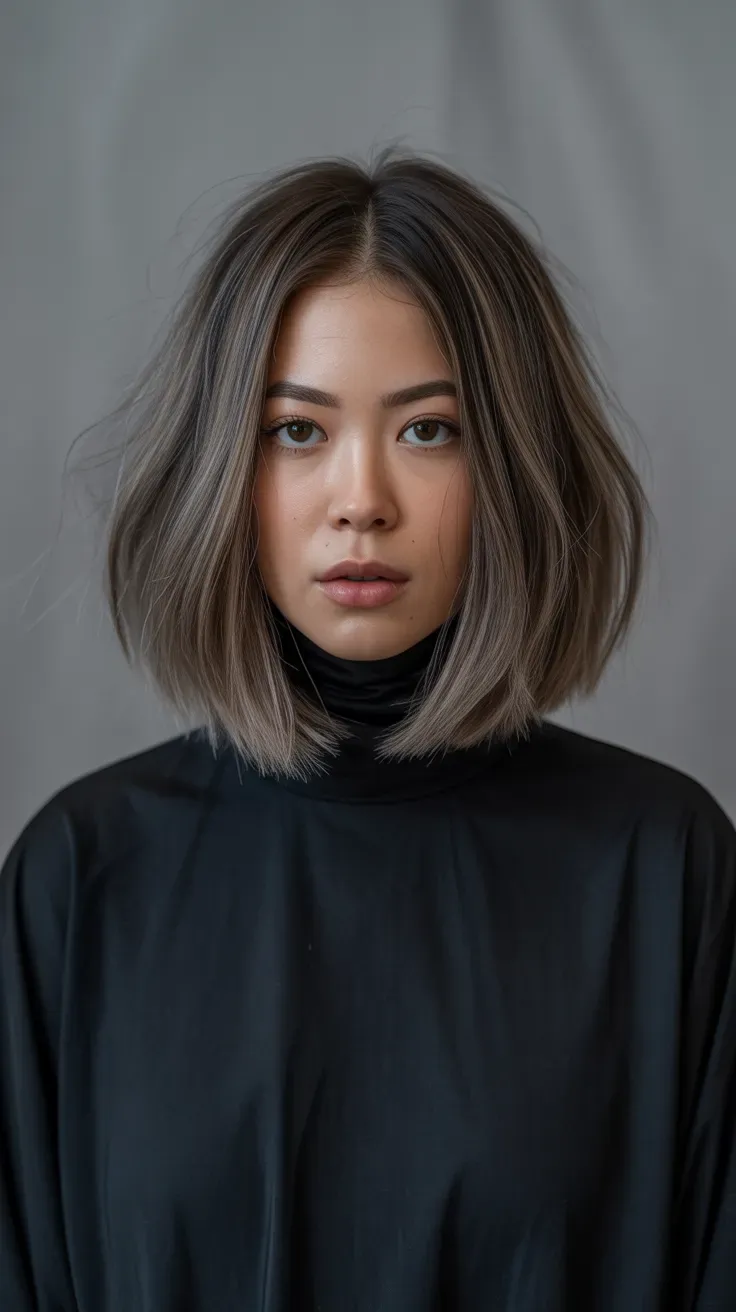
Why it works: Keeping the length at the shoulder while chopping the ends unevenly gives fine hair definition it wouldn’t have with a blunt cut. The shorter overall length also reduces the pull of gravity that drags fine strands flat.
Ask for: Ask for “a wolf bob with point-cut, choppy ends and layering starting mid-ear.”
4. Textured Wolf Pixie
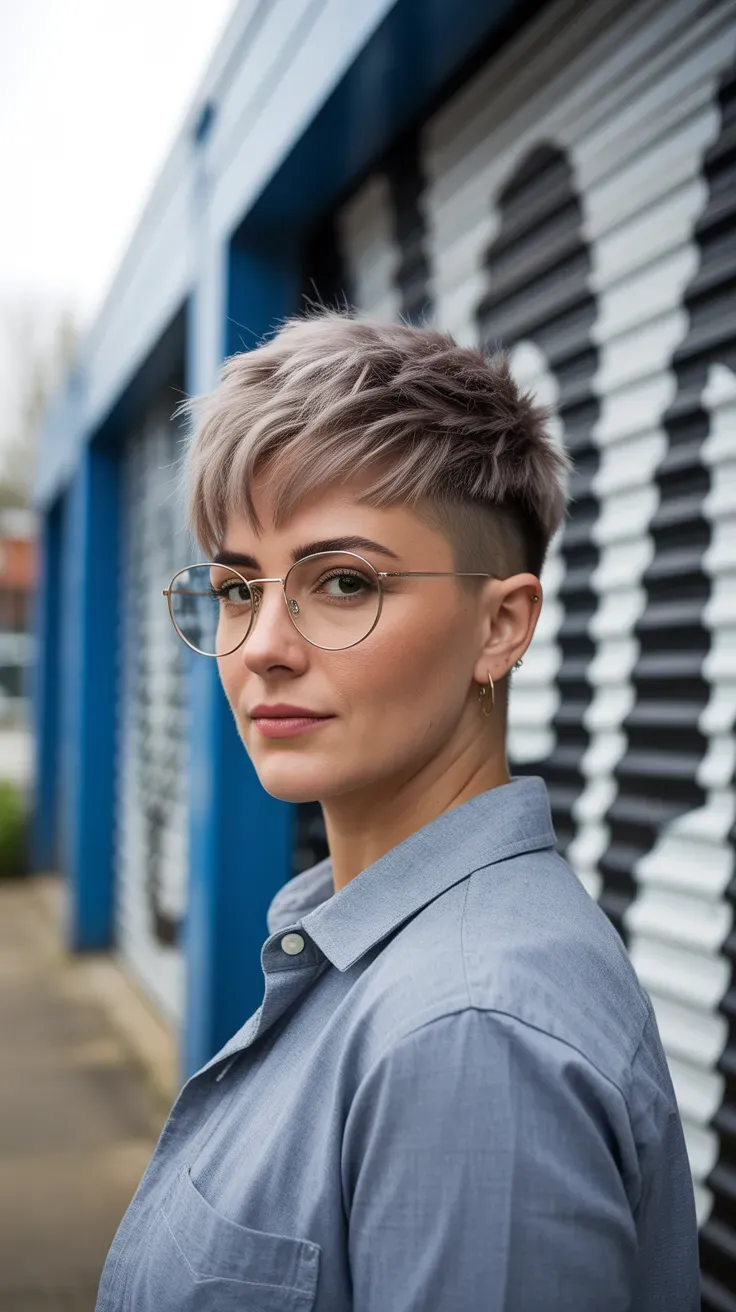
Why it works: Applying wolf-cut layering to a pixie length maximizes texture in the smallest amount of hair, giving fine strands the most lift possible. The choppy crown also disguises thinning far better than a smooth, rounded pixie shape would.
Ask for: Ask for “a wolf pixie with heavy texturizing shears used through the crown only.”
5. Wolf Cut with Face-Framing Layers

Why it works: Layers cut shortest around the face lift and open up the features while the rest of the wolf cut keeps its shaggy structure for volume. This combination softens the overall silhouette so it doesn’t read as too severe.
Ask for: Ask for “wolf cut layering through the back with shorter face-framing pieces starting at the chin.”
6. Shaggy Wolf Cut with Blunt Fringe
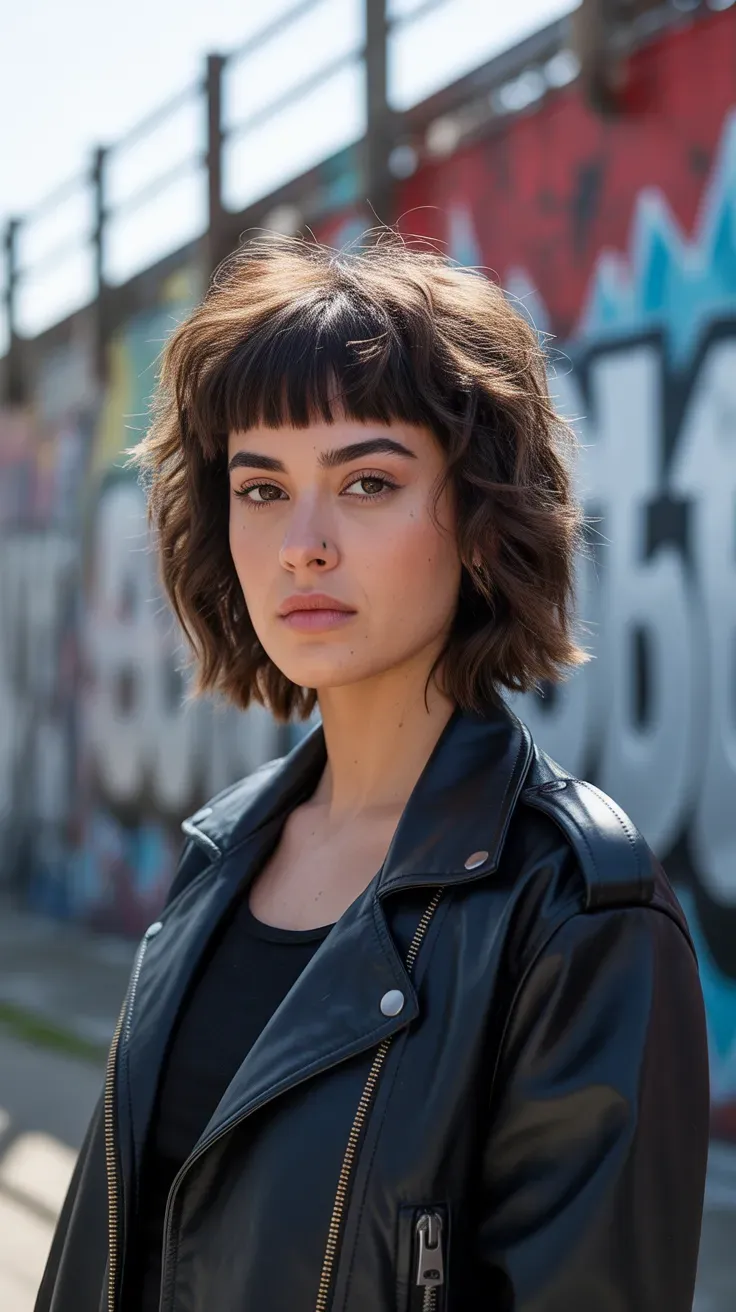
Why it works: A blunt fringe adds a dense, graphic line that contrasts against the shaggy layers behind it, making the whole style read as thicker than it is. The heavy front piece also draws attention upward rather than to thinner ends.
Ask for: Ask for “a blunt, brow-skimming fringe cut wet, paired with shaggy layers starting behind it.”
7. Wolf Mullet Hybrid
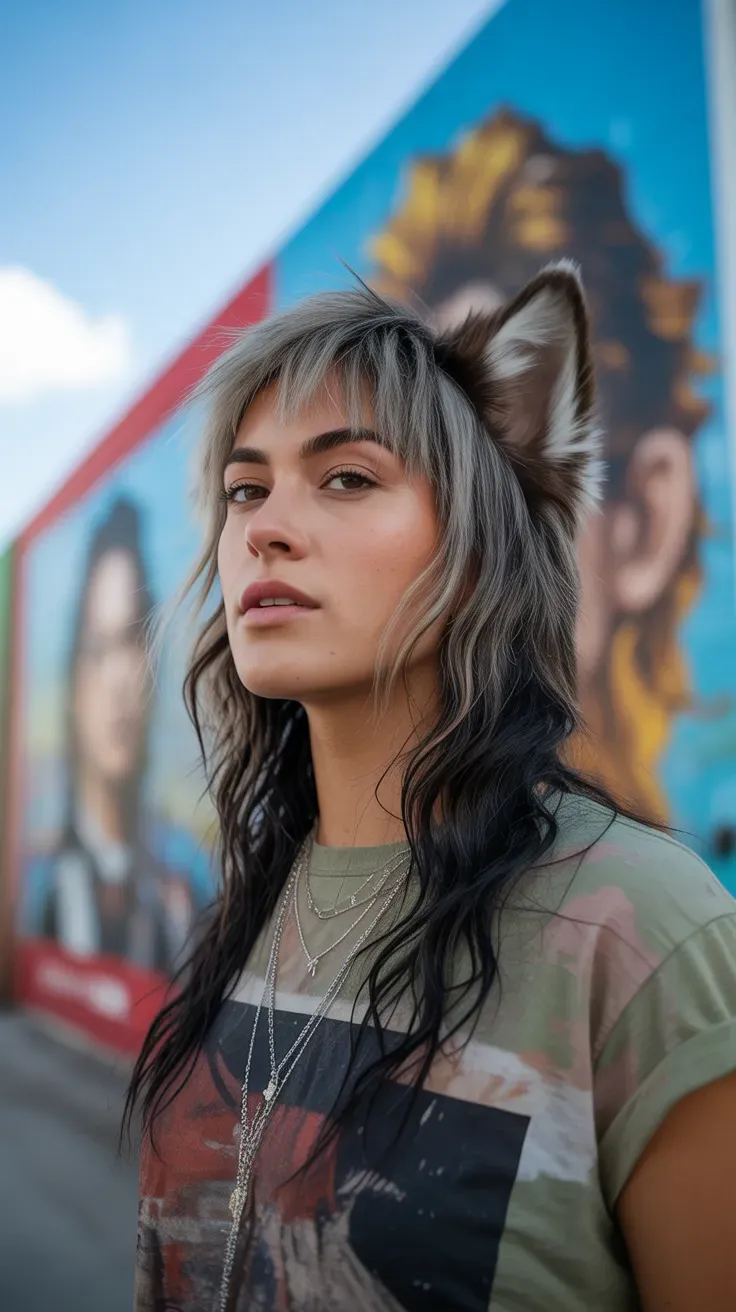
Why it works: Combining shorter, choppier layers on top with a bit more length in the back gives fine hair maximum volume where it’s needed most, right at the crown. The contrast in lengths also creates visual density that a single uniform length can’t achieve.
Ask for: Ask for “short choppy layers through the crown, blending into longer layers toward the nape.”
8. Wolf Cut with Feathered Layers
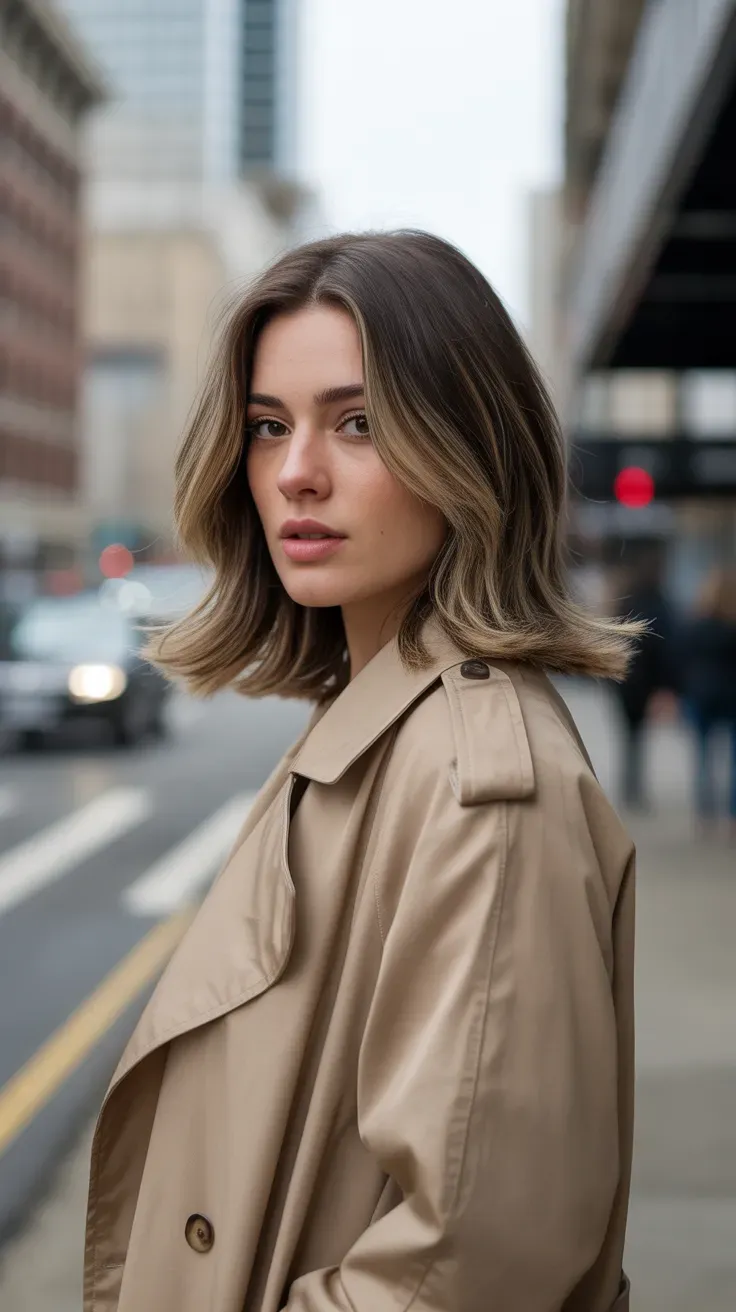
Why it works: Feathered, tapered layers flick outward instead of lying flat, giving fine hair a sense of thickness through the mid-lengths where it often looks its most limp. This softer version of the wolf cut works well for those who want volume without a very choppy finish.
Ask for: Ask for “feathered layers cut with a slight upward flick, concentrated from the ears down.”
9. Wolf Cut Lob
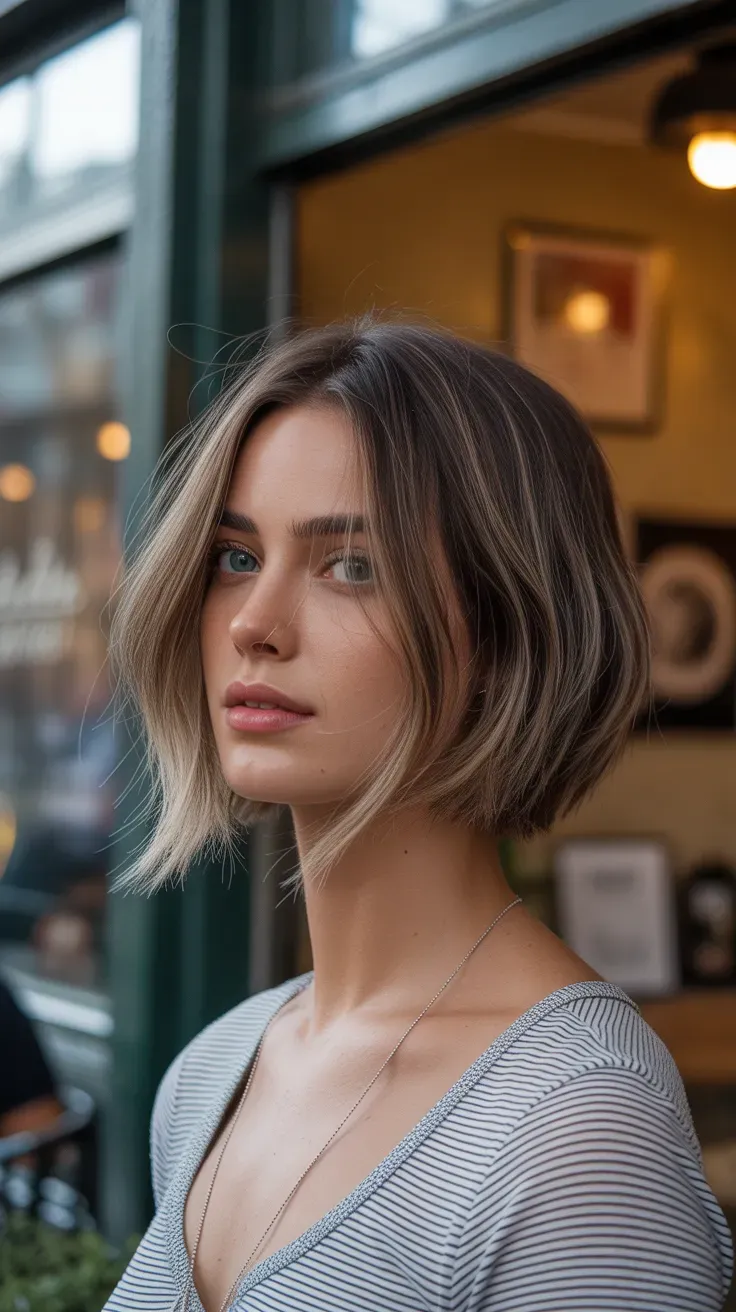
Why it works: Cutting the wolf layering into a long-bob length keeps the style manageable while still delivering the volume boost of shorter layers up top. It’s a middle ground for anyone who wants the wolf cut’s texture without committing to a shorter overall length.
Ask for: Ask for “a wolf lob with layering concentrated above the collarbone and length left mostly intact below.”
10. Wolf Cut with Micro Bangs
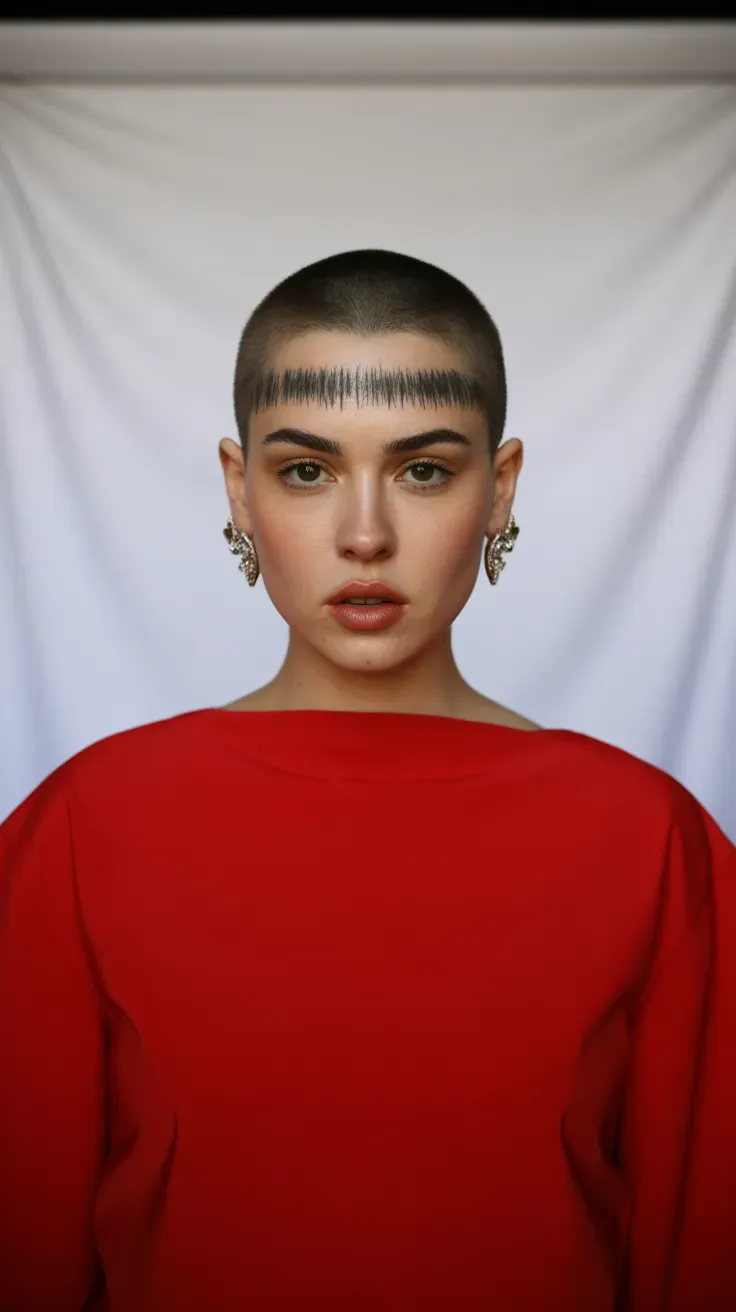
Why it works: Micro bangs sit high on the forehead and add a small but dense block of hair that visually balances the choppier layers below. This combination suits those who want a bolder statement while still keeping most of the volume-building benefits of the wolf cut.
Ask for: Ask for “micro bangs cut just above the brow, paired with wolf layering starting at the crown.”
11. Wolf Cut with Side-Swept Bangs

Why it works: Sweeping the bangs to one side keeps them softer and easier to manage than a blunt fringe while still adding fullness across the forehead. This version pairs especially well with fine hair that struggles to hold a heavier, straight-across bang.
Ask for: Ask for “long side-swept bangs blended into the wolf cut’s face-framing layers.”
12. Wolf Cut with Undercut Layers
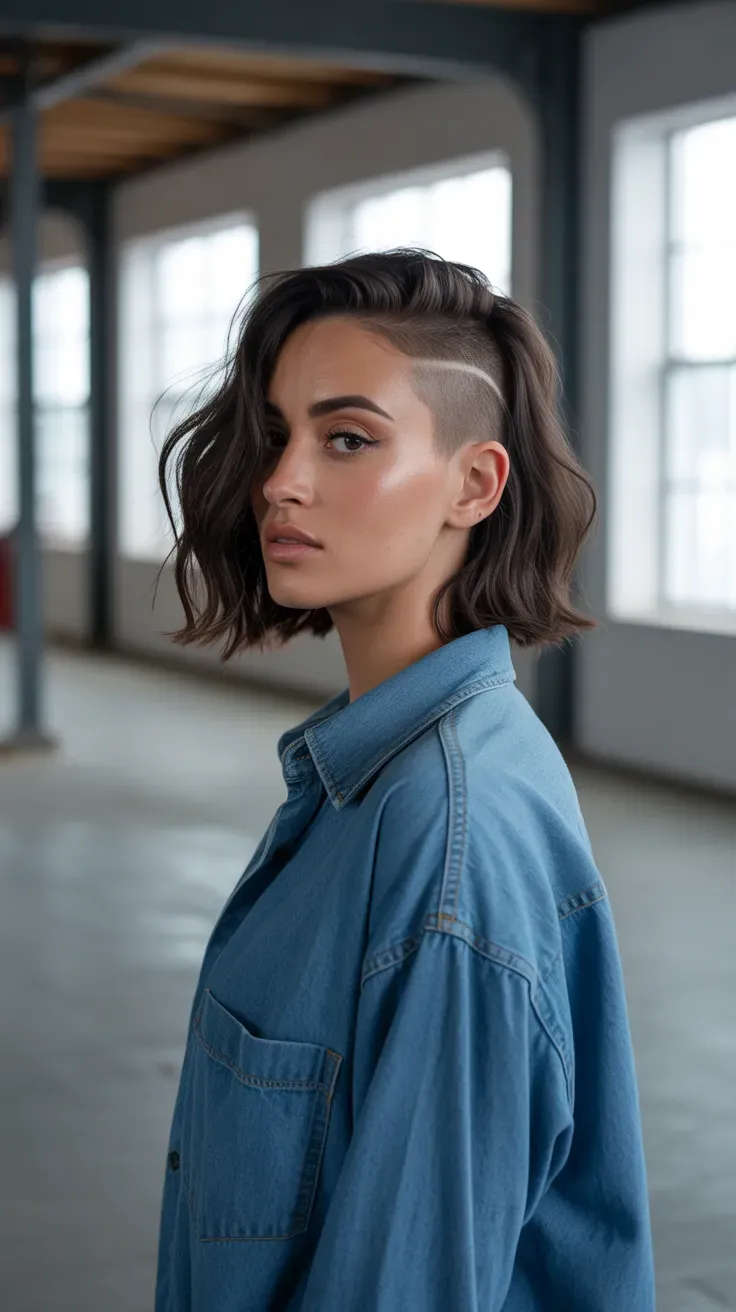
Why it works: Removing weight underneath with a subtle undercut lets the top layers sit up and forward with less resistance, creating extra lift at the crown. It’s a more dramatic option for fine hair that needs significant bulk removed to hold shape.
Ask for: Ask for “a low undercut beneath the nape, with wolf-cut layering left full on top.”
13. Wolf Cut with Heavy Root Lift
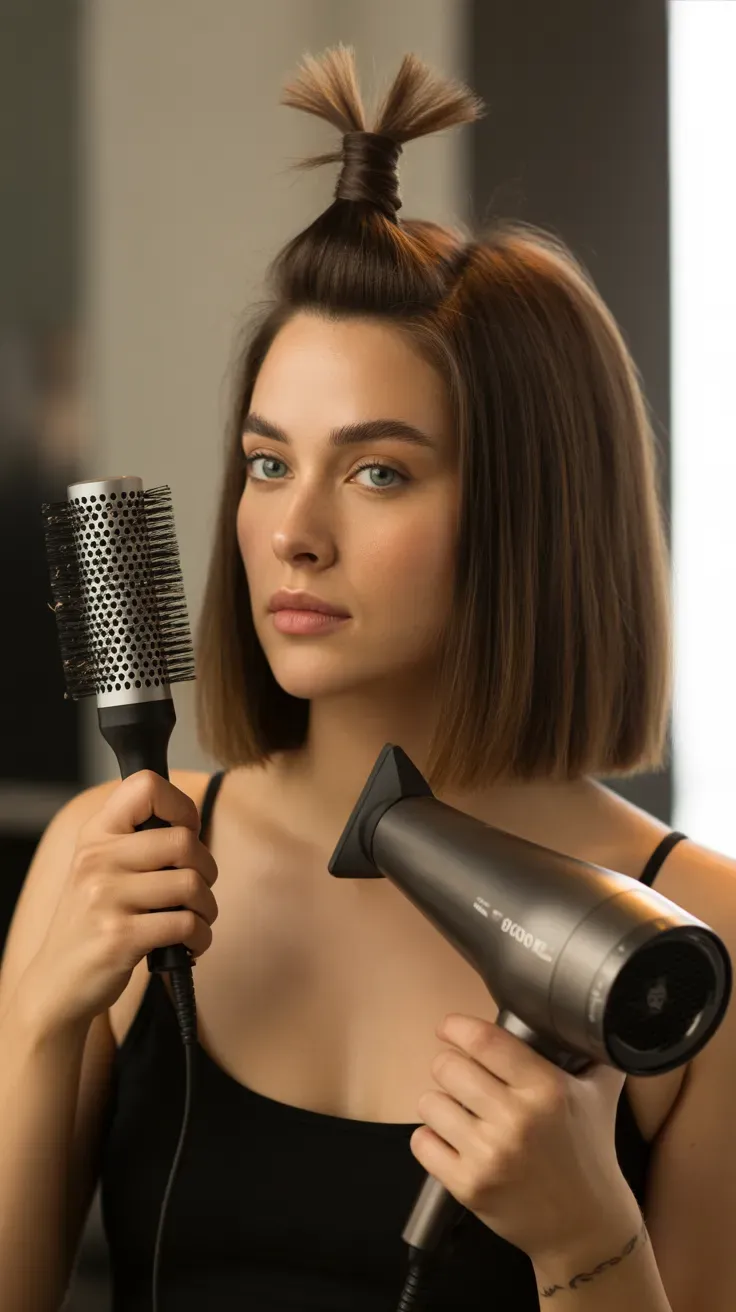
Why it works: Blow-drying the roots upward with a round brush before letting the shaggy layers fall naturally maximizes the volume the wolf cut is known for. This styling method works with any wolf cut length and is especially effective for very fine hair.
Ask for: Blow-dry the crown upward with a round brush for two minutes before letting the rest air-dry.
14. Wolf Cut with Piecey Ends
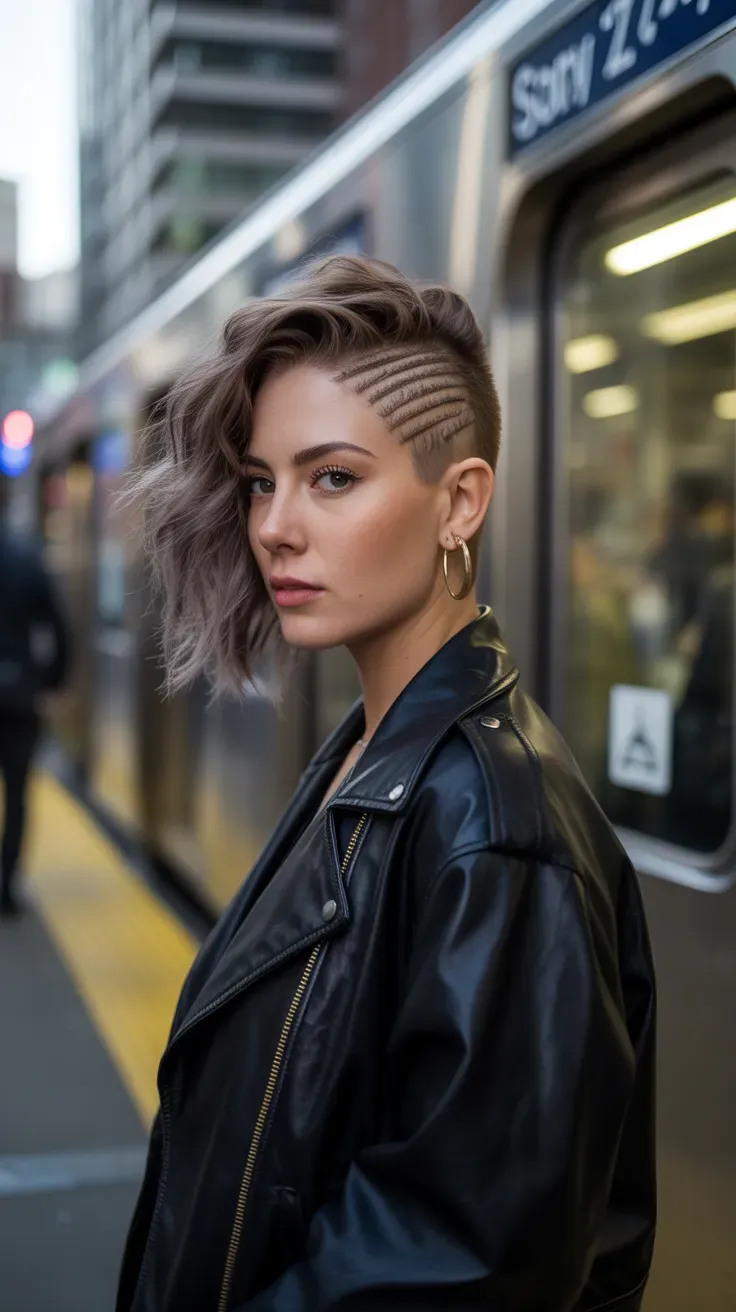
Why it works: Working a small amount of paste between the fingers and twisting sections at the ends creates distinct pieces that read as more numerous and dense than smooth, unstyled hair. This technique is a fast way to enhance an existing wolf cut without extra cutting.
Ask for: Rub a dime-sized amount of texture paste between your palms and twist small sections at the ends.
15. Wolf Cut with Curly Texture
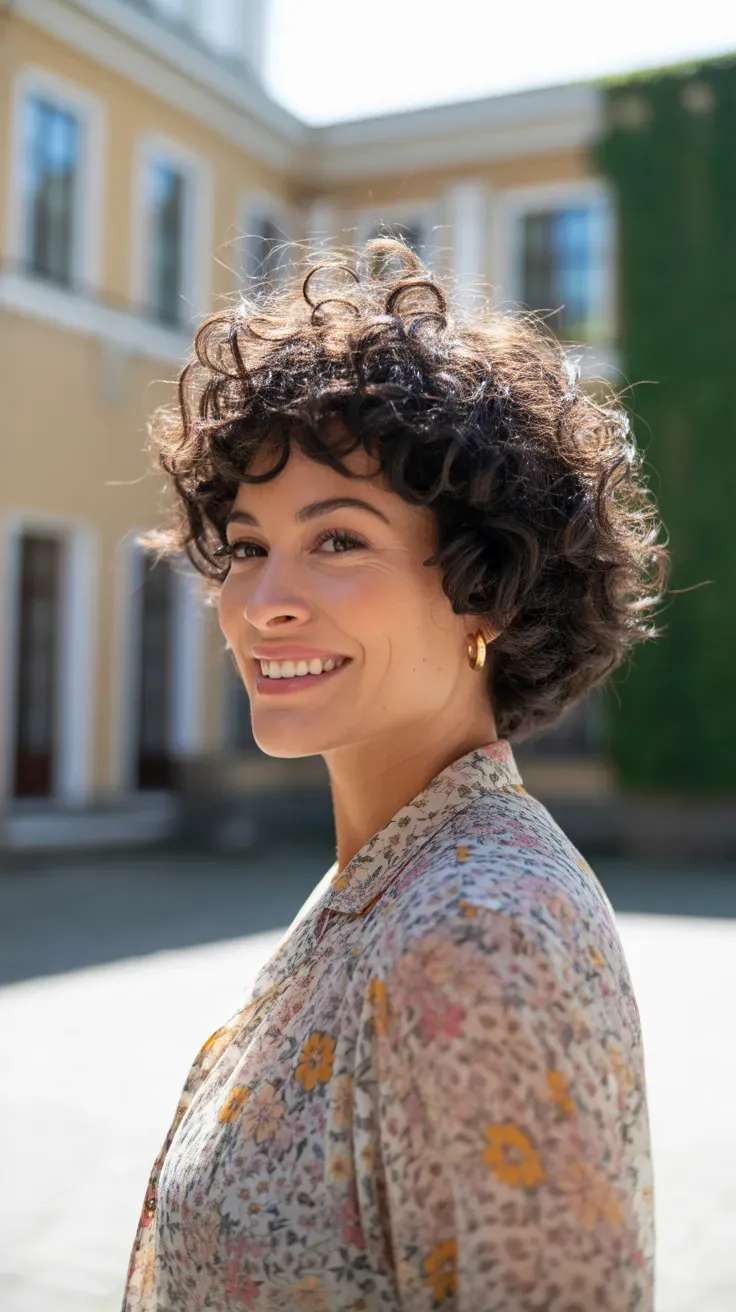
Why it works: On naturally curly or wavy hair, the wolf cut’s layering removes bulk while letting each curl spring up individually, which multiplies the appearance of volume. Fine, curly strands especially benefit since the layers stop the curls from weighing each other down.
Ask for: Ask for “wolf cut layering cut curl-by-curl while dry” so each curl falls at its natural length.
16. Wolf Cut with Straight Sleek Finish
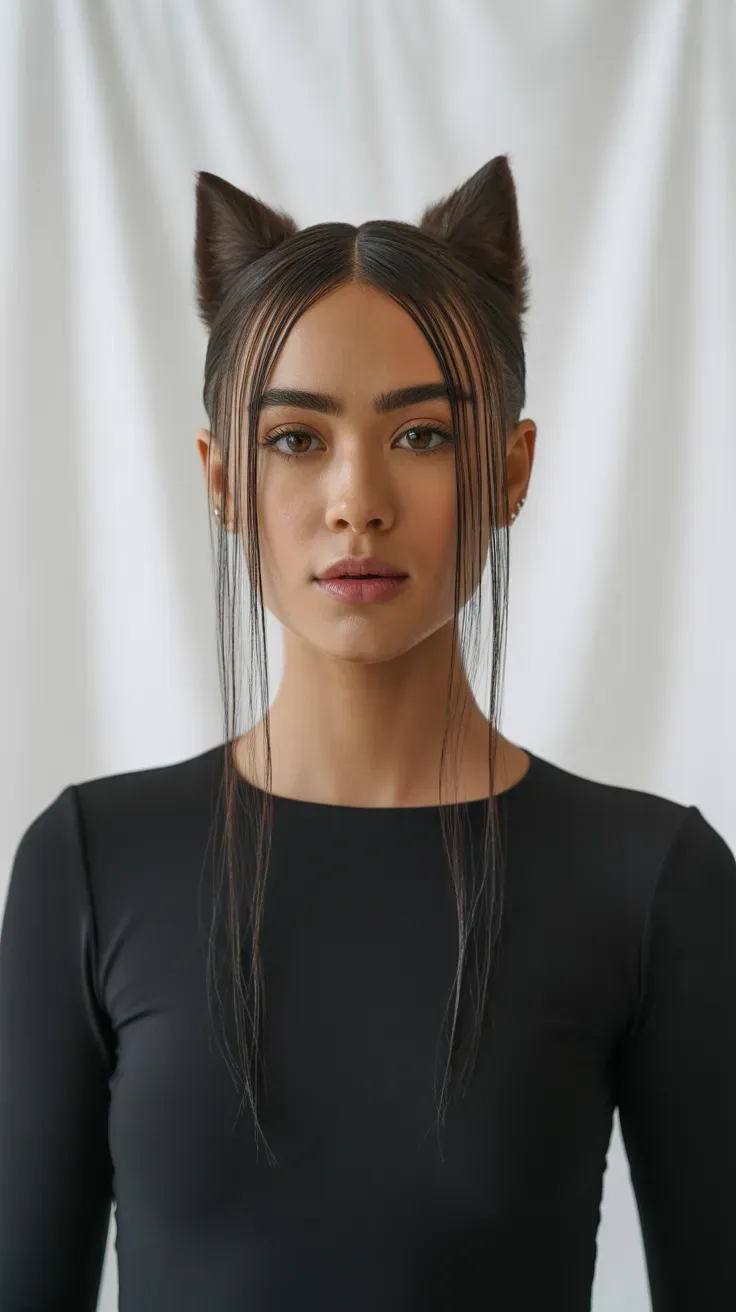
Why it works: Flat-ironing a wolf cut smooth still reveals its layered structure through the visible steps in length, giving even sleek, straight hair a sense of dimension. This finish suits days when soft, undone texture isn’t the goal but volume still is.
Ask for: Flat-iron each layer separately with a small amount of tension for a sleek, defined finish.
17. Wolf Cut with Deep Side Part
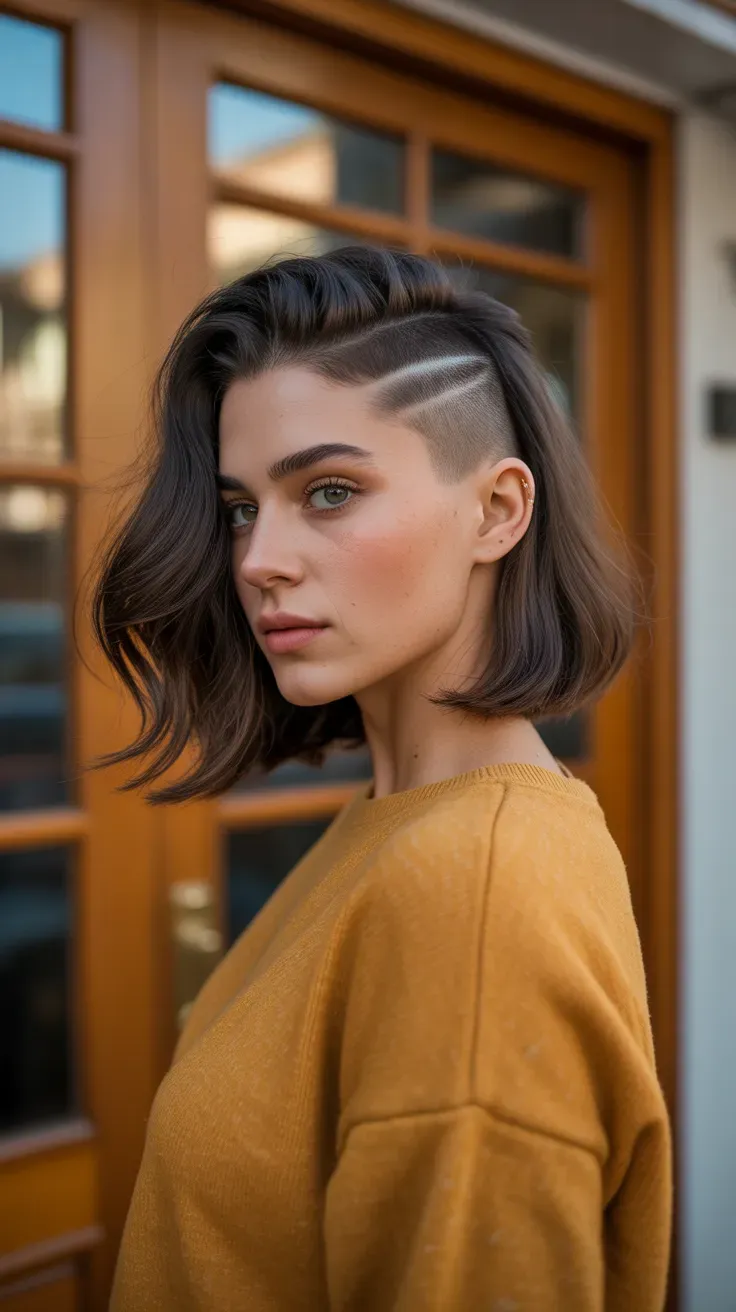
Why it works: Shifting the part deeply to one side automatically piles more hair onto the fuller side, adding visible volume without any extra styling steps. Paired with the wolf cut’s layers, this creates noticeably more lift than a centered part would.
Ask for: Ask your stylist to cut the layers to fall naturally with a deep side part.
18. Wolf Cut with Center Part
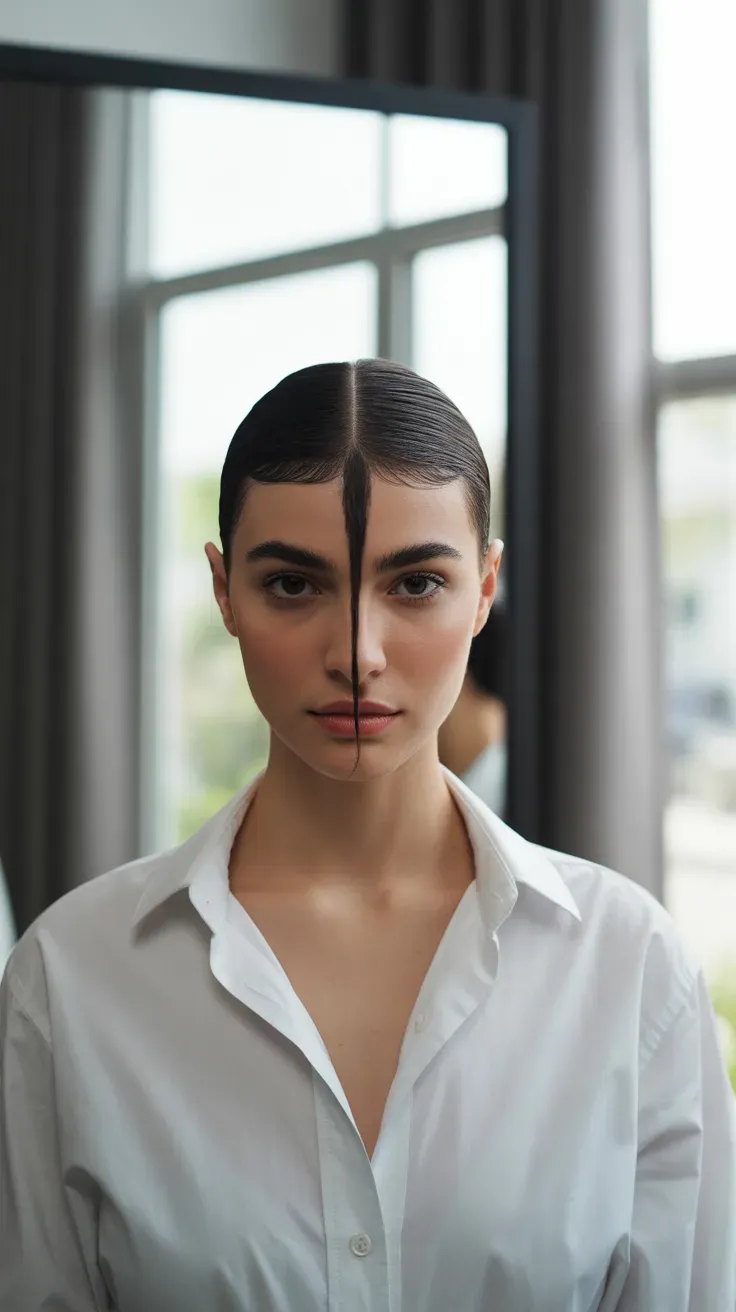
Why it works: A center part lets the wolf cut’s face-framing layers fall evenly on both sides, creating a balanced, symmetrical volume rather than favoring one side. This works especially well on longer wolf cuts where an even frame flatters most face shapes.
Ask for: Ask for “layers cut to mirror each other on both sides of a center part.”
19. Wolf Cut with Tousled Waves
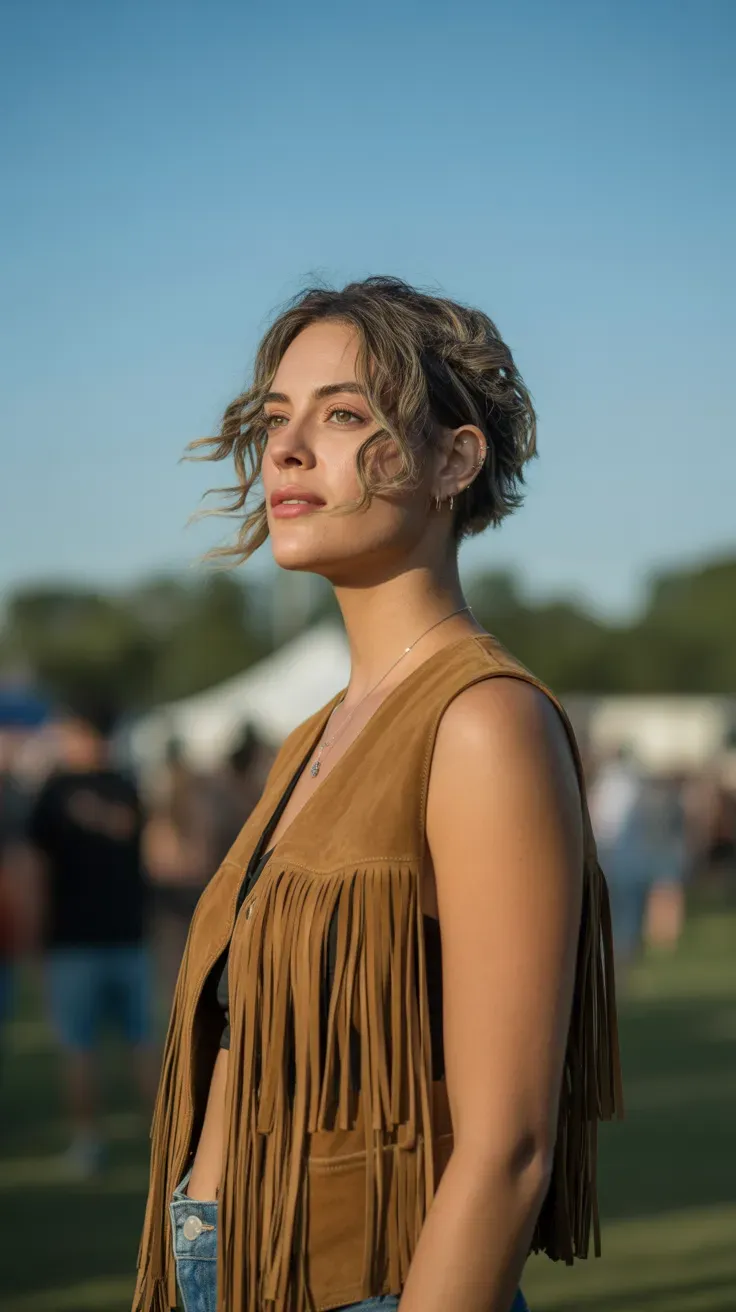
Why it works: Loose waves add another layer of texture on top of the wolf cut’s already-layered structure, compounding the sense of thickness. The tousled, undone finish also hides any flat sections that can appear after the initial styling wears off.
Ask for: Curl random sections loosely with a one-inch wand, then scrunch with a texturizing spray.
20. Wolf Cut with Long Layers and No Bangs

Why it works: Skipping bangs keeps the forehead open while the long layers still do the work of removing bulk and adding shape at the ends. This version suits anyone who wants the wolf cut’s volume benefits without committing to bang maintenance.
Ask for: Ask for “wolf cut layering with no fringe, layers starting at the chin and increasing toward the ends.”
21. Wolf Cut with Razor-Cut Ends
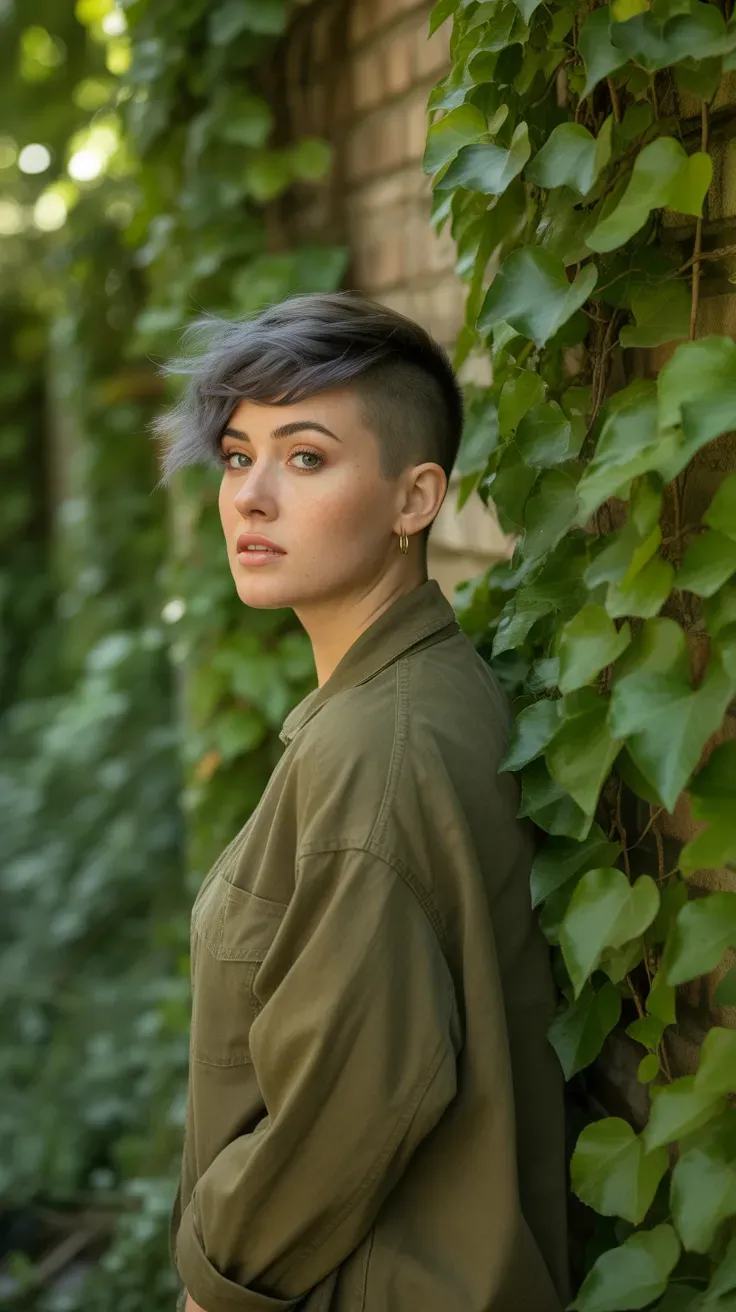
Why it works: A razor, rather than scissors, tapers the ends of each layer into fine points, which reduces bulk and creates a softer, wispier volume than blunt-cut layers. This technique is gentle enough for very fine hair while still delivering the wolf cut’s signature texture.
Ask for: Ask for “the ends of each layer finished with a razor rather than shears.”
22. Wolf Cut with Volumizing Blowout
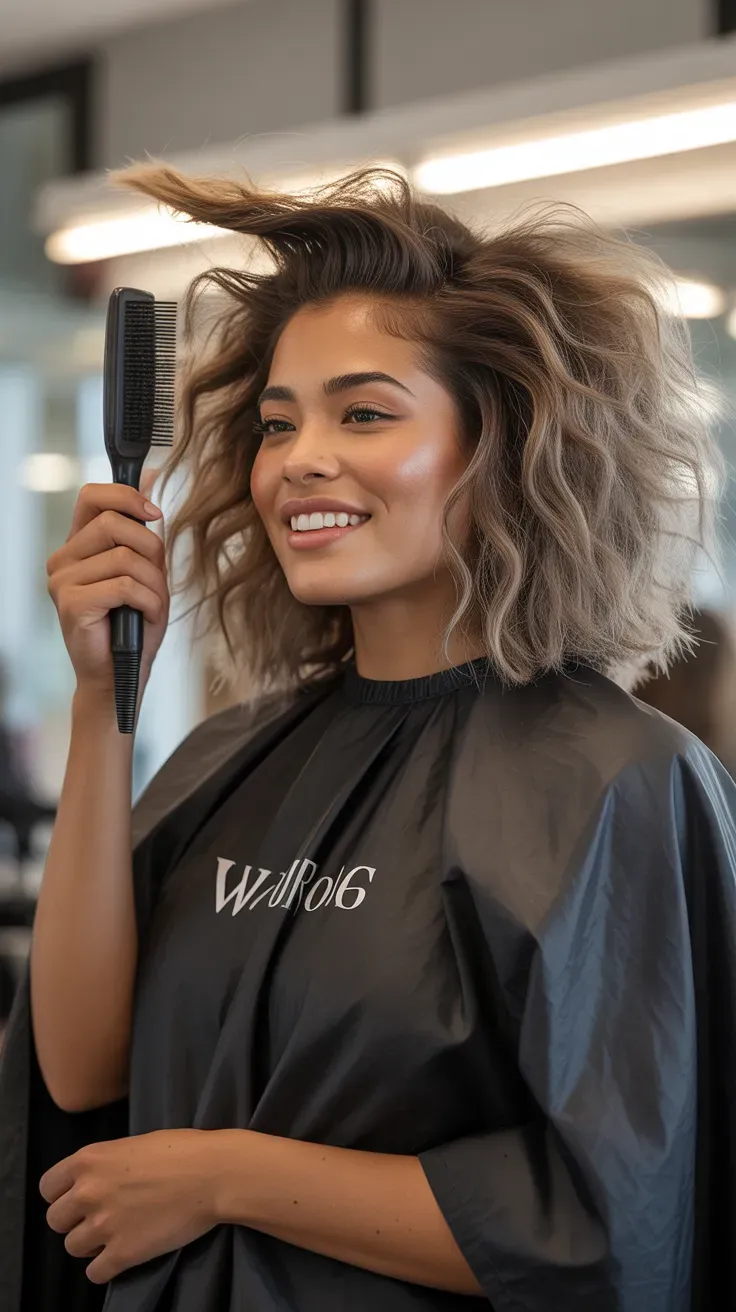
Why it works: A full round-brush blowout lifts every layer of the wolf cut at the root while smoothing the ends, combining maximum volume with a polished finish. This is the most dramatic volume-boosting option for special occasions.
Ask for: Blow-dry each section with a large round brush, lifting fully away from the scalp at the root.
23. Wolf Cut with Soft Curtain Fringe

Why it works: Curtain fringe parted down the middle blends naturally into the wolf cut’s existing face-framing layers, so it adds fullness without looking like a separate section. It’s one of the softest bang options for those easing into the wolf cut style.
Ask for: Ask for “curtain fringe parted to blend seamlessly into the surrounding wolf layers.”
24. Wolf Cut with Choppy V-Layers
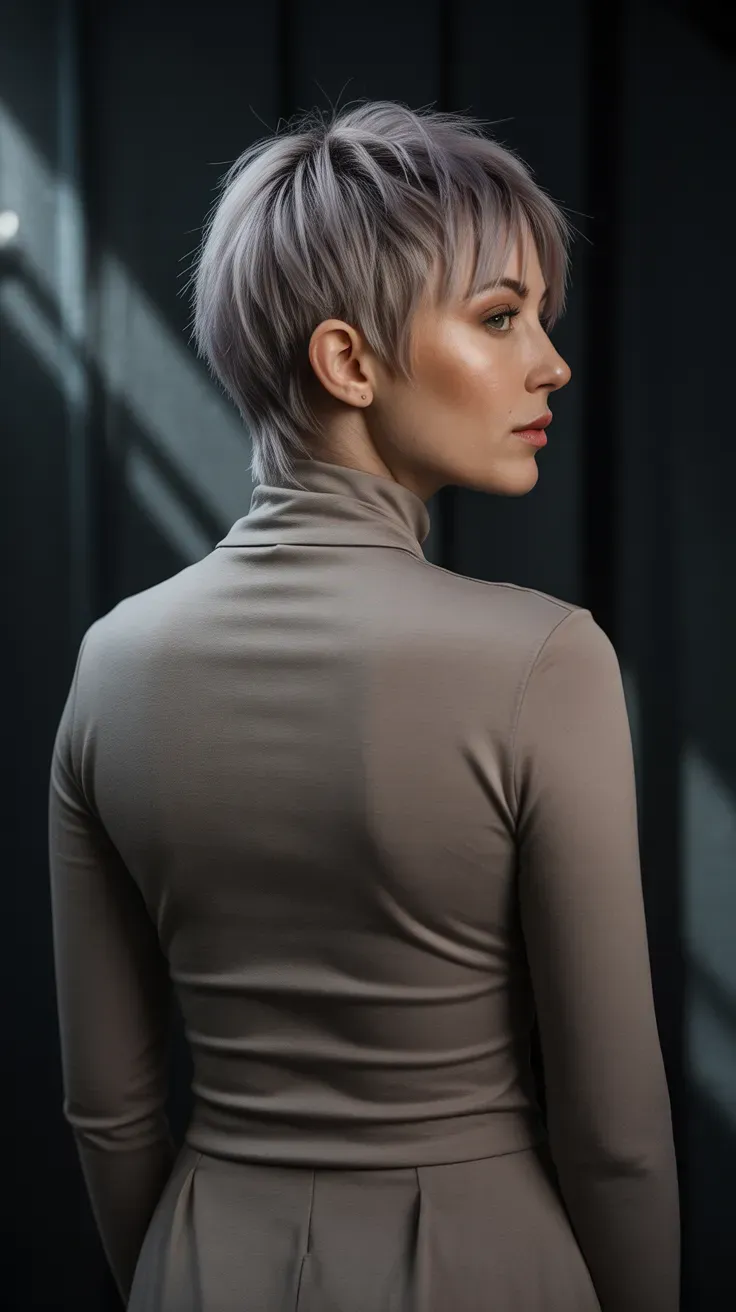
Why it works: Cutting the underlayer into a deep V shape removes significant weight from the center back, which is often where fine hair looks flattest and heaviest. The dramatic layering also creates strong visual movement when the hair swings.
Ask for: Ask for “a deep V-layer cut into the back sections, blended into the wolf cut’s crown layers.”
25. Wolf Cut with Textured Crown
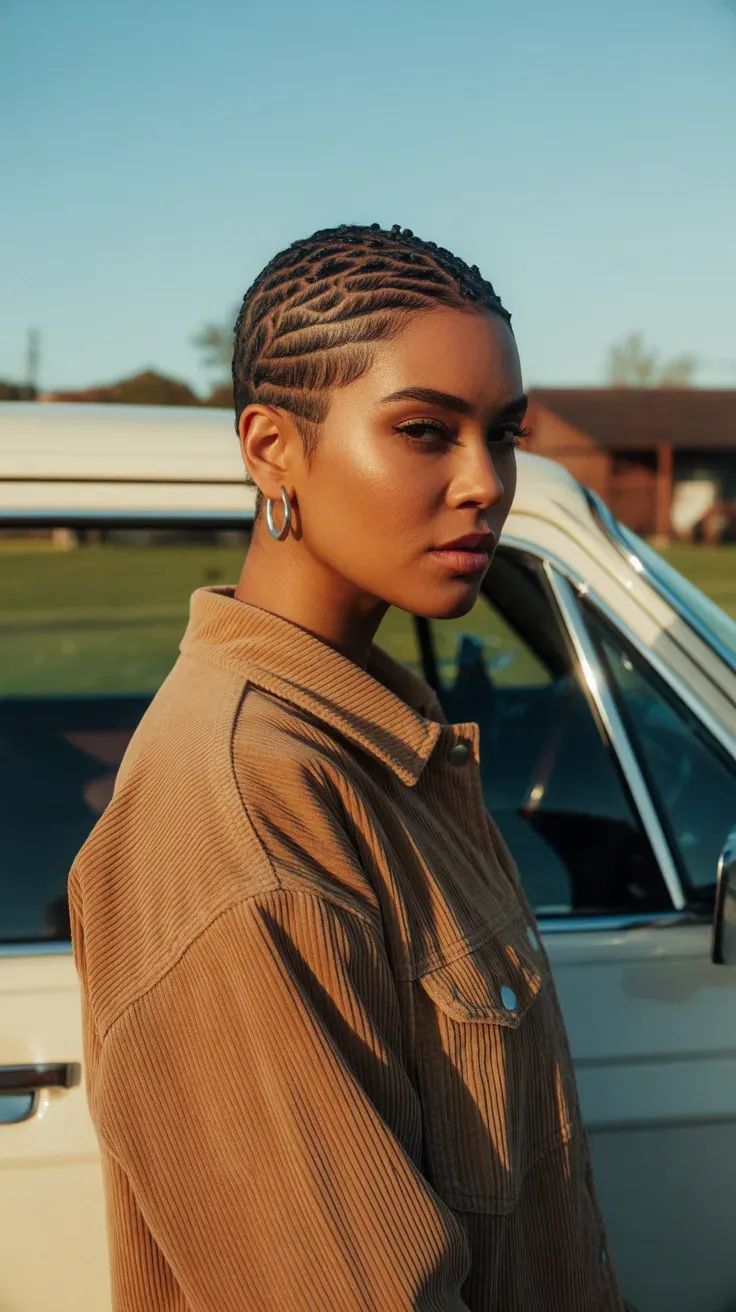
Why it works: Concentrating the heaviest texturizing work at the crown targets the exact area where fine hair typically thins first, building volume right where it’s needed. The rest of the cut can stay comparatively smoother, keeping the style easy to manage.
Ask for: Ask for “the heaviest point-cutting focused on the top two inches of the crown.”
26. Wolf Cut with Diffused Curls
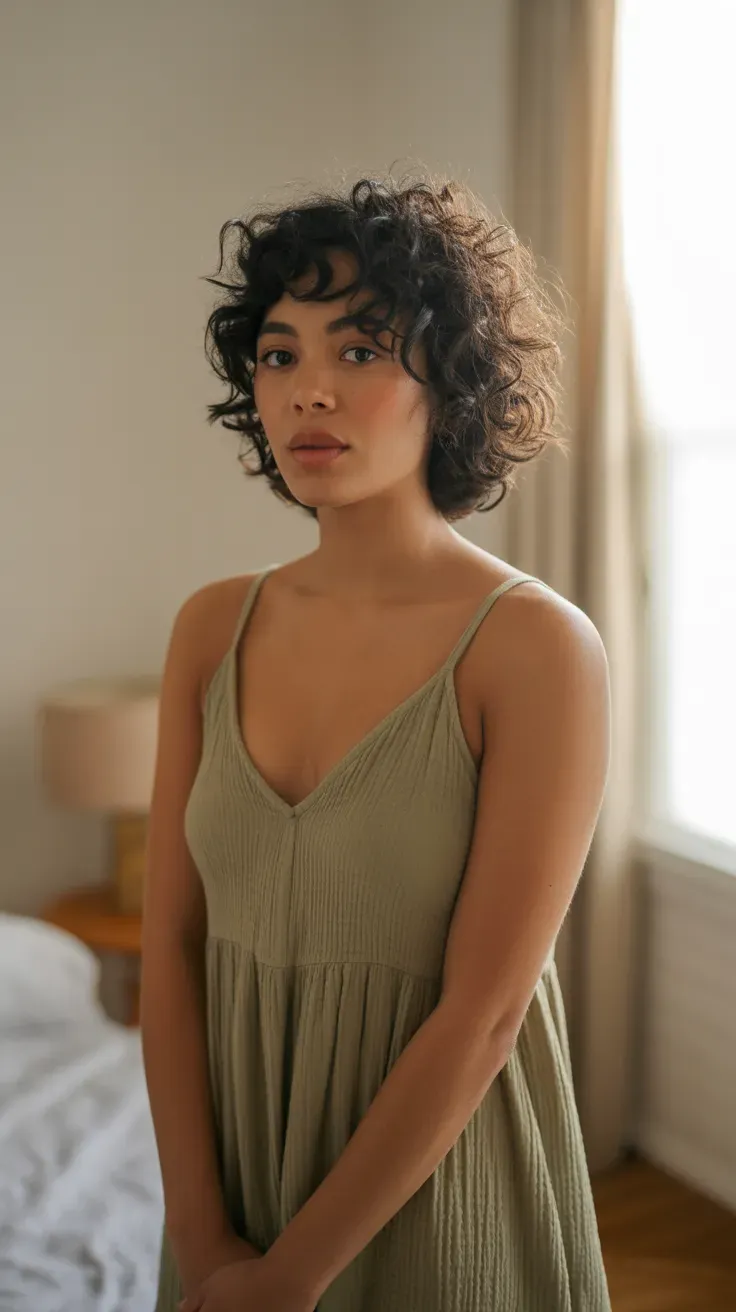
Why it works: Diffusing curls or waves rather than brushing them out preserves the natural clumping that reads as fuller and more voluminous. Combined with the wolf cut’s layers, each section of curl has more freedom to spring independently.
Ask for: Apply a lightweight mousse to damp hair, then diffuse on low heat while lifting sections toward the scalp.
27. Wolf Cut with Airy Face-Framing Pieces

Why it works: Keeping the face-framing pieces thin and airy rather than thick avoids weighing down the front sections, which is especially important for fine hair around the hairline. This softer approach still highlights the cheekbones without any heavy pull downward.
Ask for: Ask for “thin, wispy face-framing pieces cut no shorter than the cheekbone.”
28. Wolf Cut with Modern Shag Layers
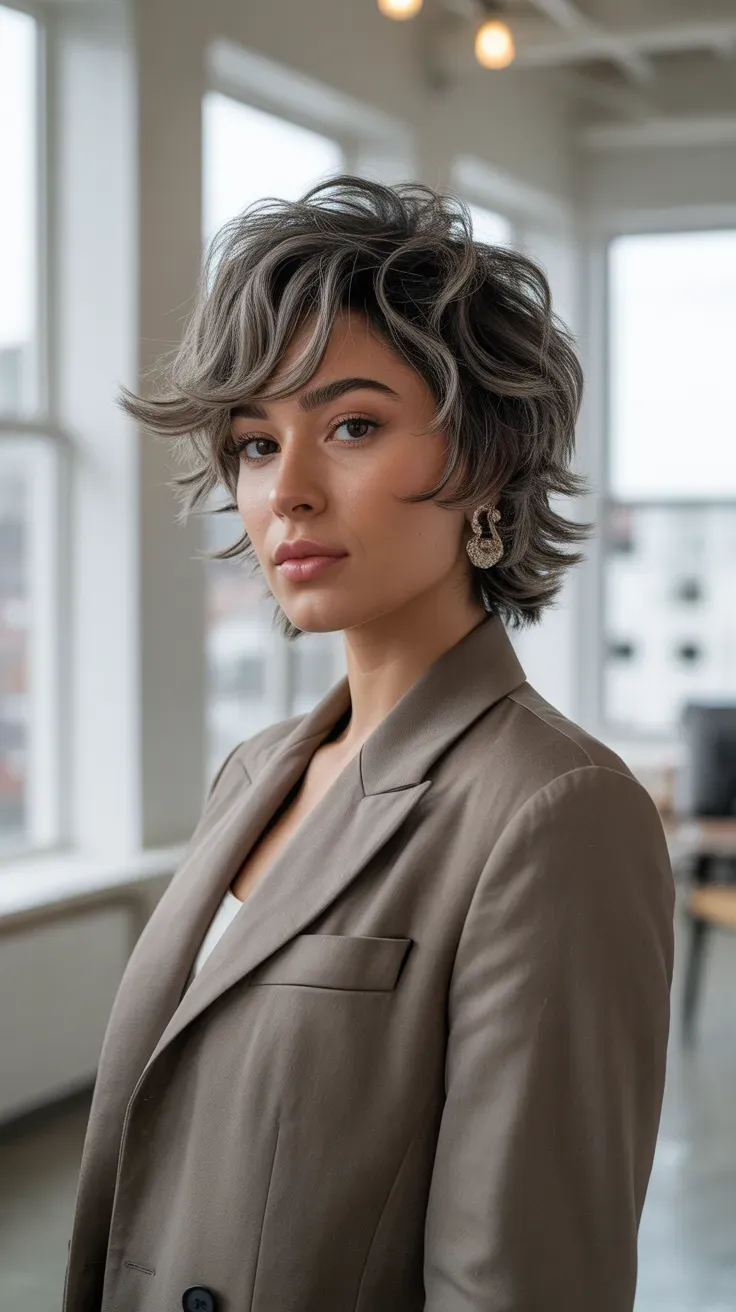
Why it works: Blending shag-style layering evenly from crown to ends gives the wolf cut a more polished, contemporary shape while keeping every one of its volume-building benefits. This version works well for anyone who wants the trend without an overly undone look.
Ask for: Ask for “shag layering blended evenly from the crown down, avoiding harsh disconnection between sections.”
FAQs
What’s the best wolf cut for fine hair? A classic short wolf cut with curtain bangs, a wolf cut with heavy root lift, or a wolf mullet hybrid tend to add the most volume, since each concentrates layering at the crown where fine hair needs it most.
How to make a wolf cut look fuller on fine hair? Ask your stylist to concentrate the heaviest layering at the crown rather than throughout, use a round brush to lift the roots while blow-drying, and finish with a lightweight texturizing product instead of anything heavy that could weigh the layers down.
Are wolf cuts good for very thin hair? Yes, as long as the layering isn’t overdone — too many thin layers on already-thin hair can look sparse, so it helps to ask for slightly fewer, well-placed layers rather than the choppiest version of the cut.
Wrap-Up
A wolf cut earns its volume-boosting reputation through layer placement and length, so the version you choose should come down to how much texture and maintenance you’re comfortable with. Whether it’s a short, choppy take or a longer, softer one, let your day-to-day routine and personal style guide the final decision.